

Wallpaper is one of the easiest ways to give any space a dramatic, designer-level makeover—without a full renovation. From bold florals to subtle textures, it can completely shift a room’s mood, color story, and personality in just a few hours. Whether you’re renting or renovating, wallpaper is your secret weapon for effortless transformation.
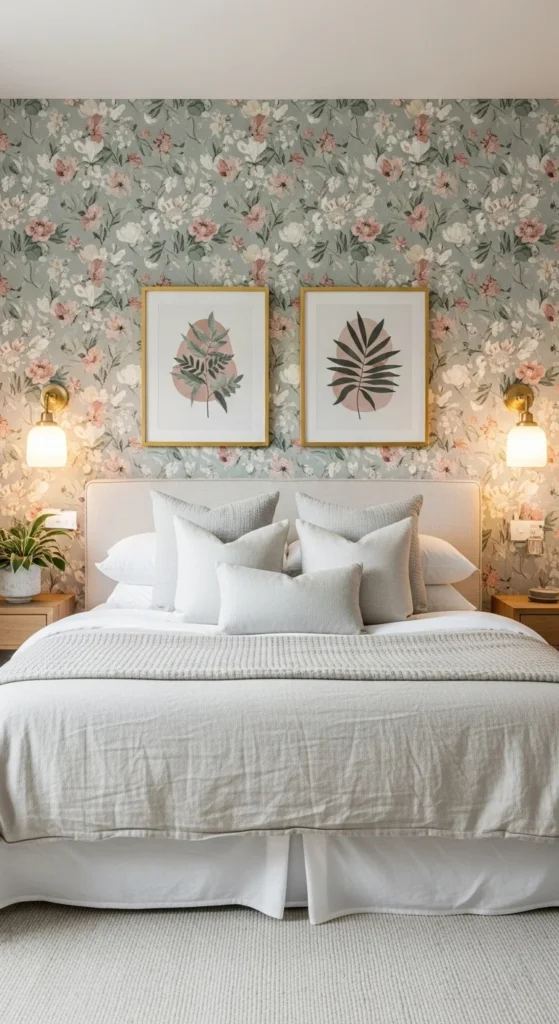
Here’s how to use wallpaper to instantly elevate your space—beautifully, creatively, and without regret.
1. Start Small if You’re Unsure
If you’ve never worked with wallpaper before, start with a small or low-commitment area. This helps you experiment with color and pattern without feeling overwhelmed.
Try applying wallpaper to:
- A powder room for a bold designer statement.
- The back of a bookshelf or cabinet for subtle texture.
- A single accent wall in your bedroom or office.
- A hallway or entryway to make an unforgettable first impression.
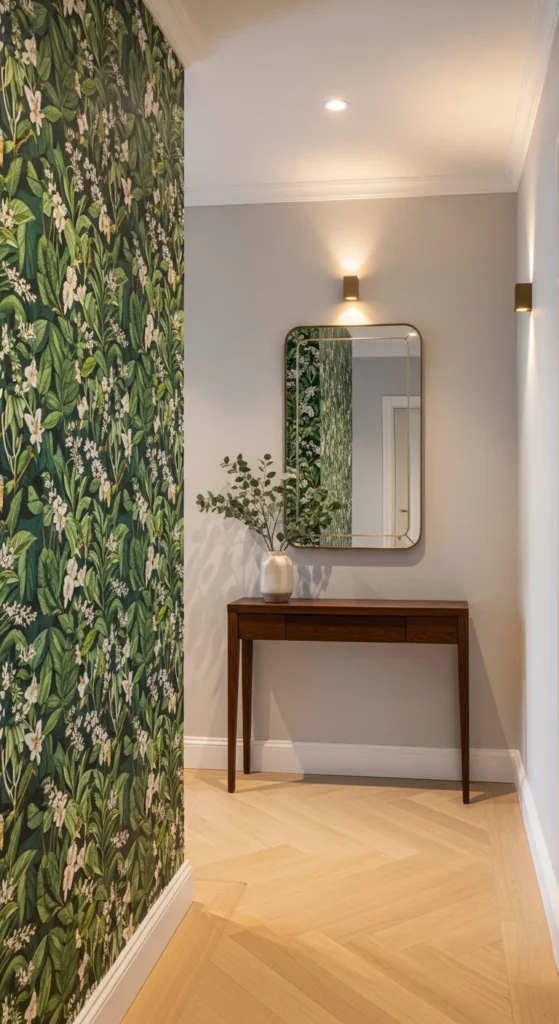
Even a small dose of wallpaper can redefine how a space feels—making it more personal and polished.
2. Choose the Right Pattern for Your Space
Wallpaper can set the tone of a room—so choose patterns that match your mood and space size.
Here’s a quick cheat sheet:
- Large-scale prints: Great for big rooms, they make bold statements.
- Small, detailed patterns: Work beautifully in small spaces like bathrooms or nooks.
- Vertical stripes: Create the illusion of taller ceilings.
- Horizontal patterns: Make narrow rooms feel wider.
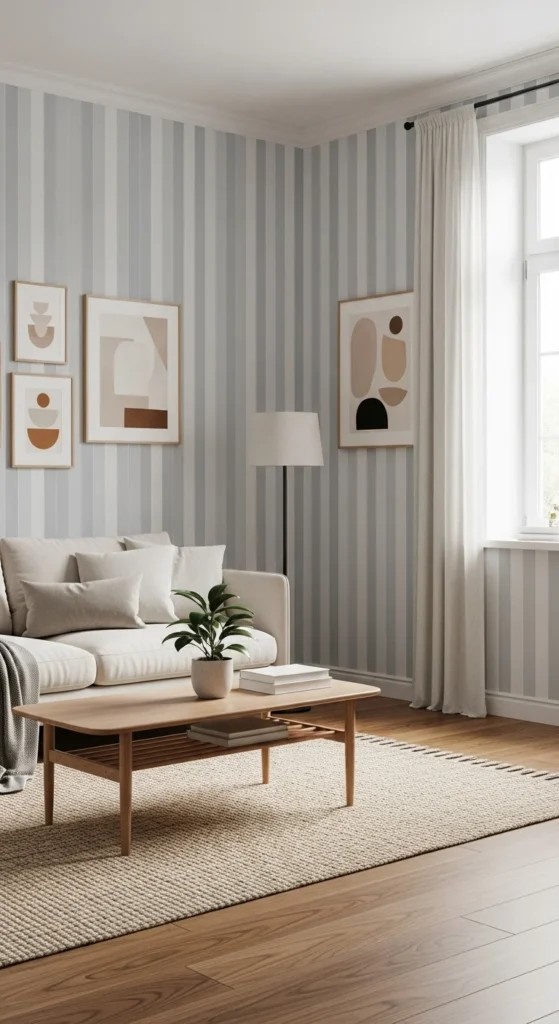
If your room already has a lot of color or texture, opt for something more subdued. For simpler spaces, go bolder—it’s all about balance.
3. Try Textured or Faux-Finish Wallpaper
If you love subtlety, go for textured wallpaper—like grasscloth, linen, or faux plaster. These add sophistication and warmth without feeling too busy.
Textured wallpaper works wonders in:
- Bedrooms: for cozy, tactile comfort.
- Dining rooms: to elevate the atmosphere.
- Home offices: to add depth without distraction.
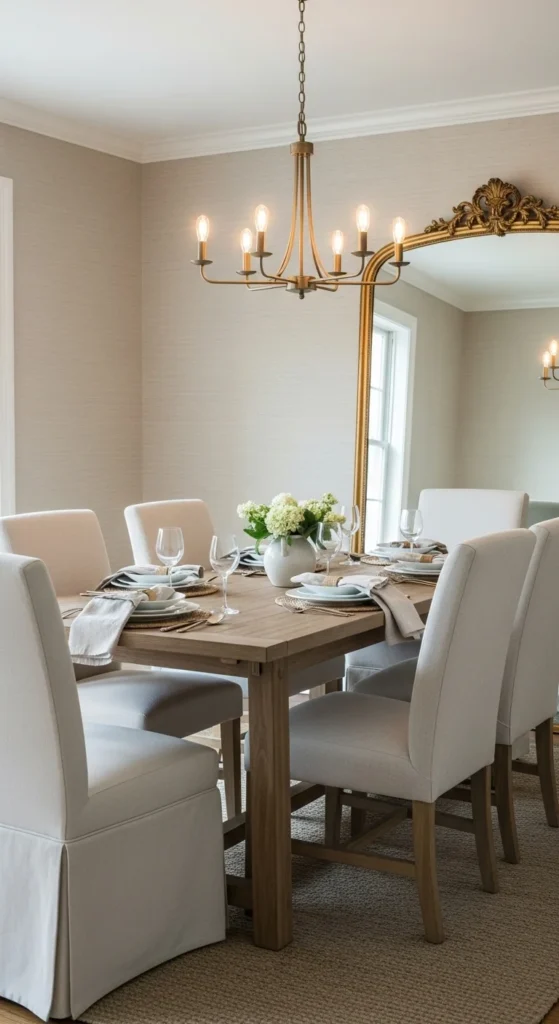
Faux finishes like marble, brick, or shiplap are perfect for renters—they mimic expensive materials without the cost or commitment.
4. Use Peel-and-Stick for Flexibility
If you’re hesitant about traditional wallpaper, peel-and-stick is your best friend. It’s easy to apply, easy to remove, and perfect for renters or frequent decorators.
Tips for a smooth application:
- Apply on clean, smooth walls.
- Work slowly and use a squeegee to eliminate bubbles.
- Align patterns carefully for a seamless look.
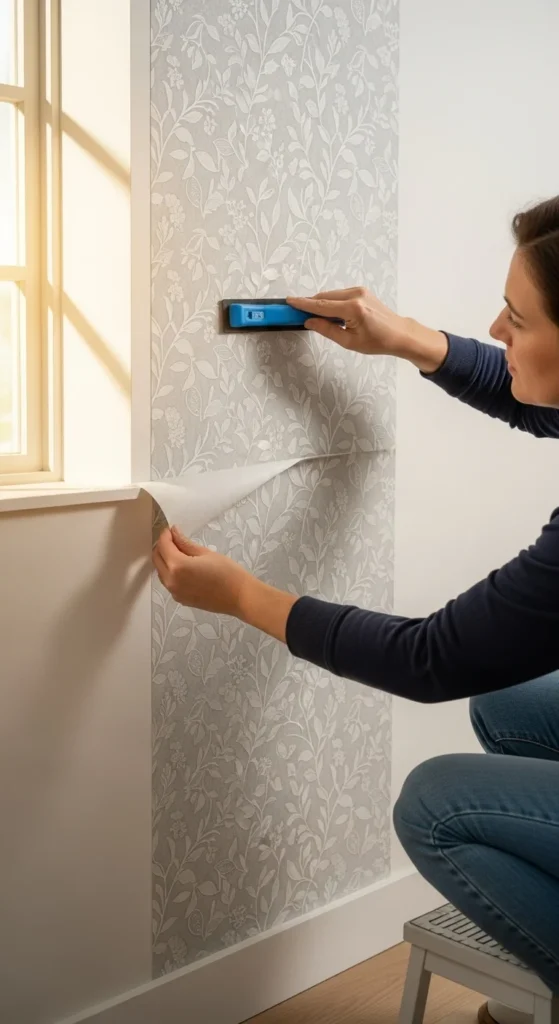
Peel-and-stick wallpaper is ideal for seasonal or style swaps—you can change your entire vibe in an afternoon!
5. Use Wallpaper in Unexpected Places
Wallpaper isn’t just for walls! Designers love using it in creative ways to add dimension and surprise.
Try adding it to:
- Ceilings (for a “fifth wall” moment).
- Inside closets or pantries for a fun pop of color.
- Stair risers or drawer fronts for subtle pattern play.
- Furniture makeovers, like the back panels of cabinets or nightstands.
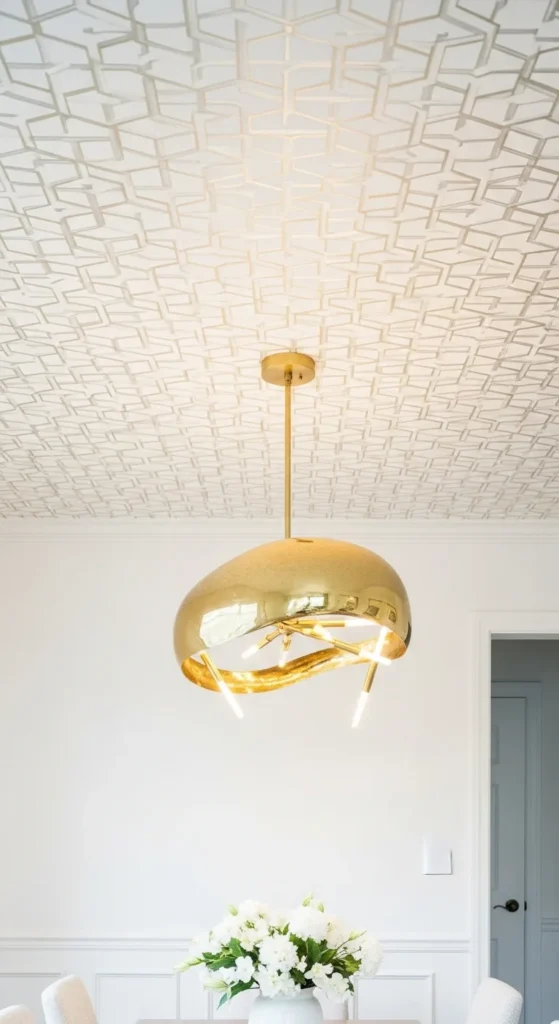
These small applications instantly make a home feel curated and thoughtful.
6. Balance with the Rest of the Decor
Wallpaper works best when it’s balanced by the rest of your interior design. Too many competing elements can make a space feel chaotic.
Keep it cohesive by:
- Pairing bold patterns with neutral furniture and simple textures.
- Using complementary colors in decor, pillows, and rugs.
- Adding metallic or natural accents to tie everything together.
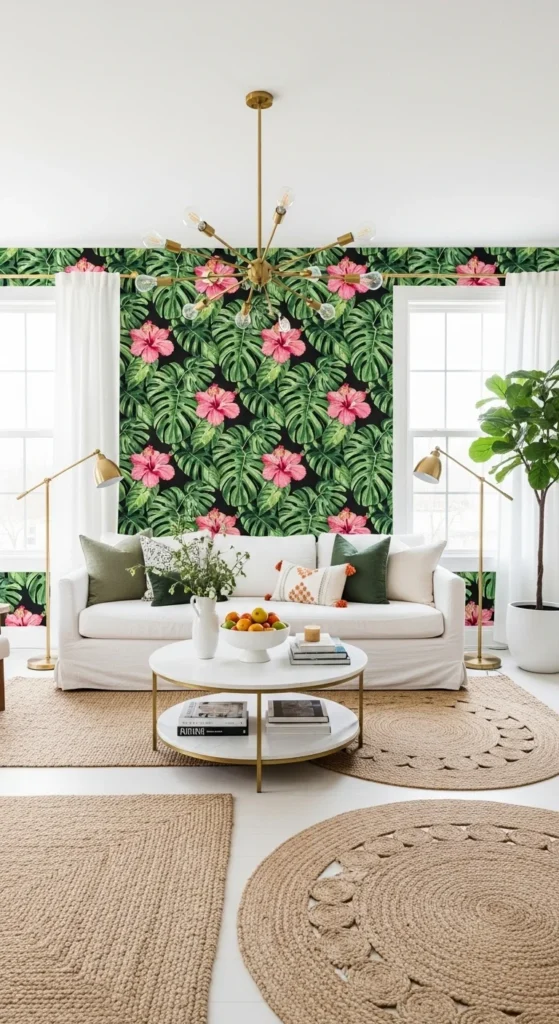
Your wallpaper should be the focal point—not lost among competing visuals.
7. Add Lighting to Highlight the Design
The right lighting can make wallpaper look even more stunning. Wall sconces, pendant lights, or table lamps create depth and shadow, emphasizing texture and color variations.
If you have metallic or textured wallpaper, angle your lights slightly so they catch the surface and shimmer beautifully.
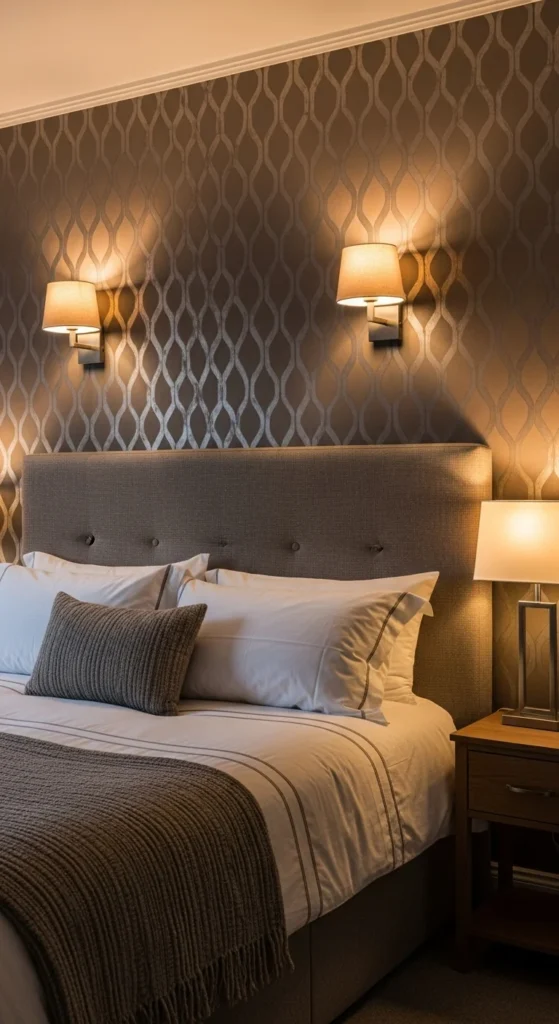
Lighting can transform your wallpaper from background to showpiece.
Final Thoughts
Wallpaper is one of the simplest, most rewarding ways to transform your home. Whether you go bold with color or subtle with texture, it adds character, charm, and instant style to any space.
Start small, choose patterns that match your personality, and don’t be afraid to experiment—because great design should always feel a little daring.
Leave a Reply