

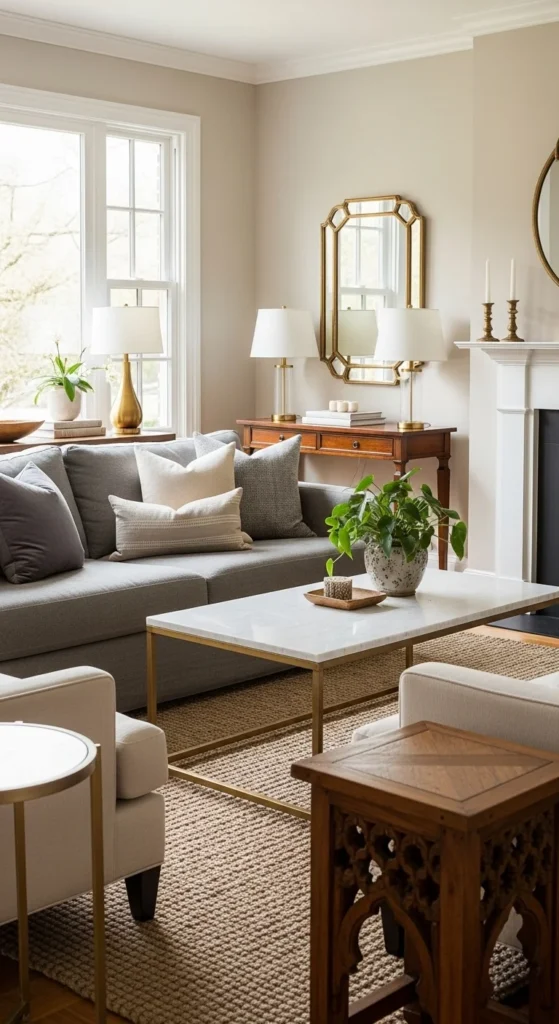
Transitional home decor is where classic design meets modern simplicity. It brings the best of both worlds — timeless comfort and clean sophistication. This style feels polished yet inviting, blending traditional forms with contemporary finishes. Think neutral palettes, balanced furniture lines, and subtle luxury. Whether you’re updating a living room or rethinking your bedroom, these 24 transitional home decor ideas will help you create a space that feels elegant, cozy, and effortlessly harmonious.
1. Neutral Color Foundations
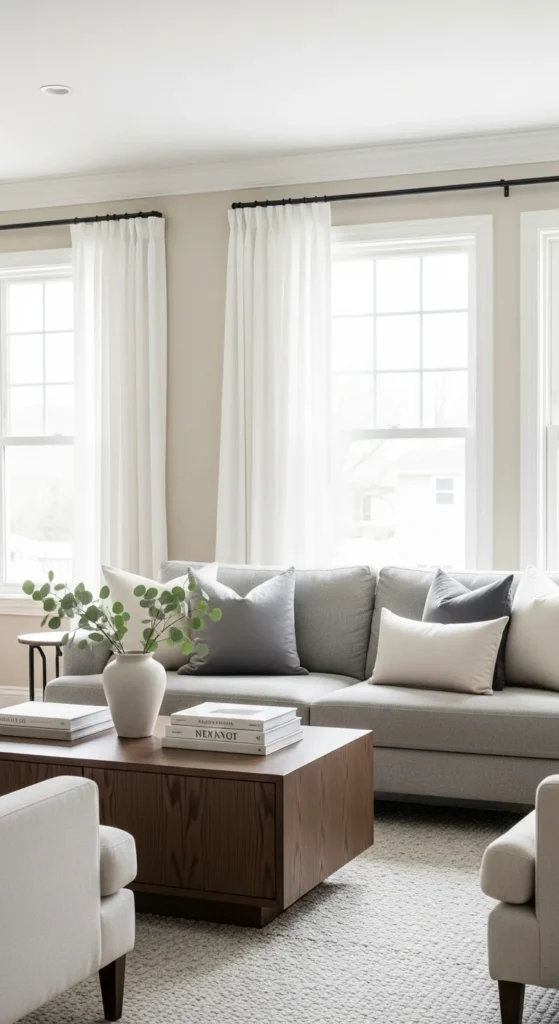
Start with neutrals. Shades of beige, ivory, and soft gray form the base of any transitional space. These hues create calm and make mixing styles easy. Layer similar tones for depth — for example, a cream rug under a gray sofa. Add contrast with darker woods or black accents. Painting walls in warm neutrals is an affordable way to reset your entire home’s mood.
2. Blended Furniture Styles
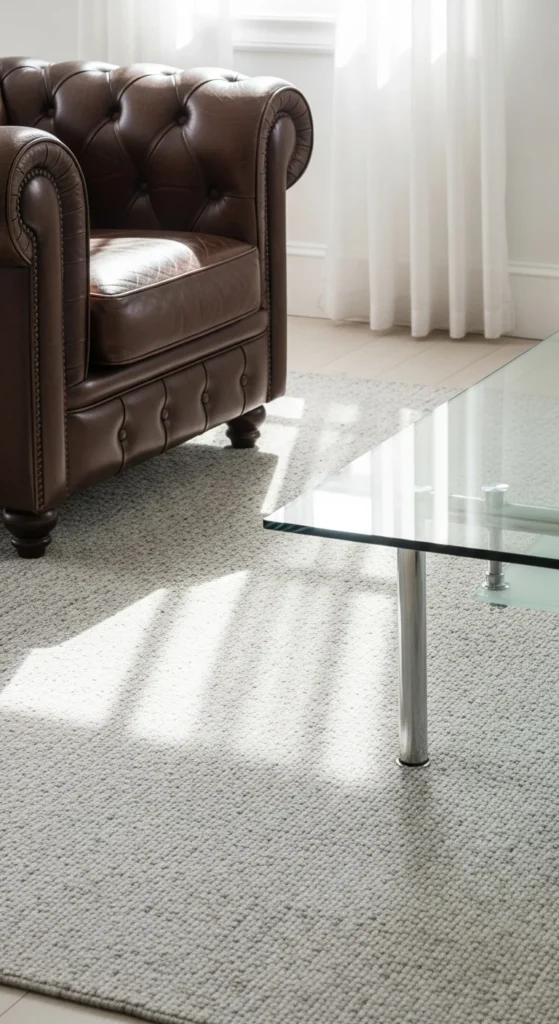
Transitional design is all about balance. Pair curved traditional pieces with clean-lined modern ones. For example, a vintage armchair beside a minimalist table looks intentional and inviting. Keep colors consistent to avoid clutter. You can refinish or reupholster existing furniture in neutral fabrics to tie contrasting styles together without replacing everything.
3. Layered Lighting
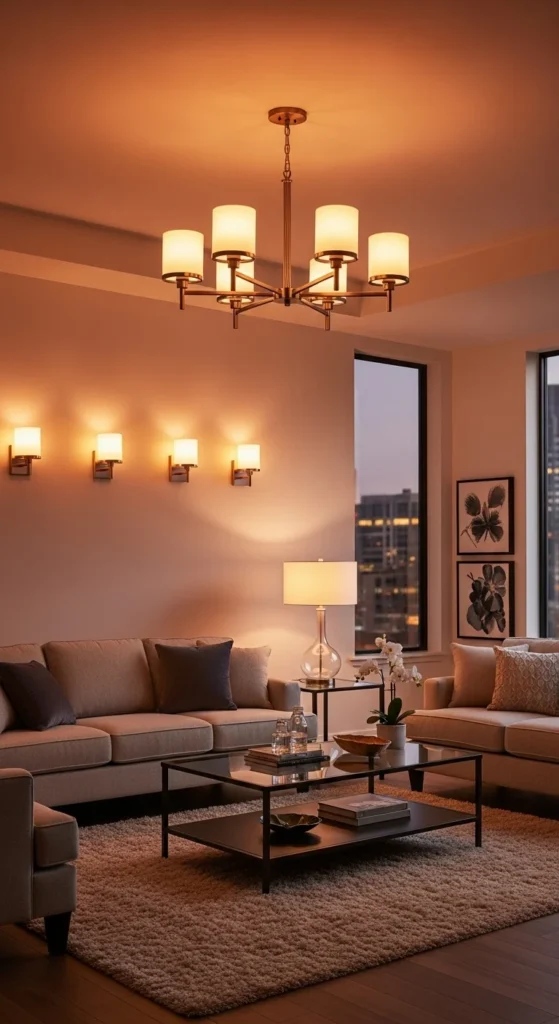
Lighting sets the tone. Use a mix of overhead fixtures, floor lamps, and sconces to build atmosphere. Choose modern shapes in classic materials like brass or glass. Dimmer switches help you control light for any occasion. Upgrading lamp shades or bulbs is a simple, budget-friendly way to refresh your setup.
4. Subtle Patterns
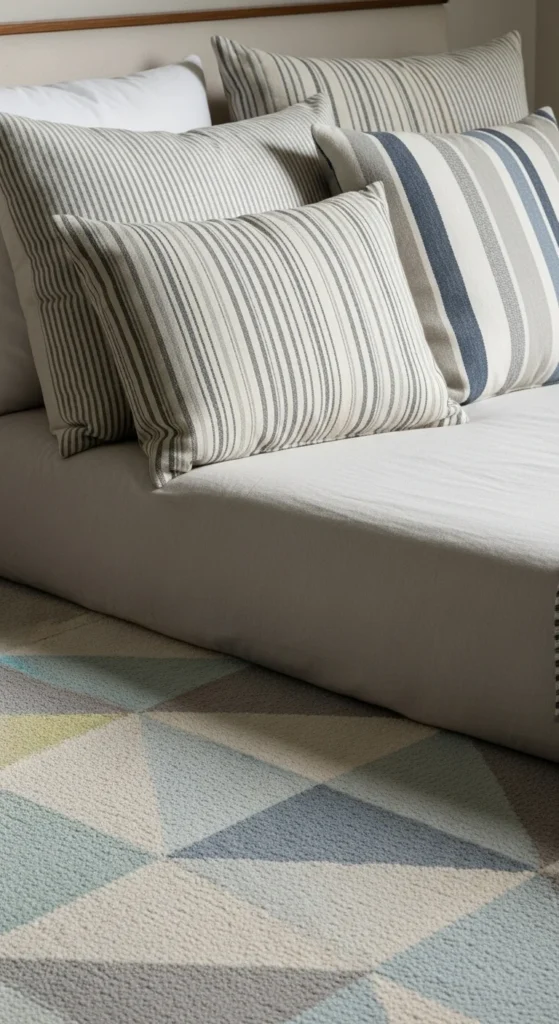
Patterns add quiet interest without overwhelming. Stick to tone-on-tone designs like subtle stripes, herringbone, or soft florals. A patterned rug or cushions keep things from feeling too flat. Mix small-scale prints with solids for texture. Start with affordable pieces like pillow covers or runners to test what works.
5. Natural Materials
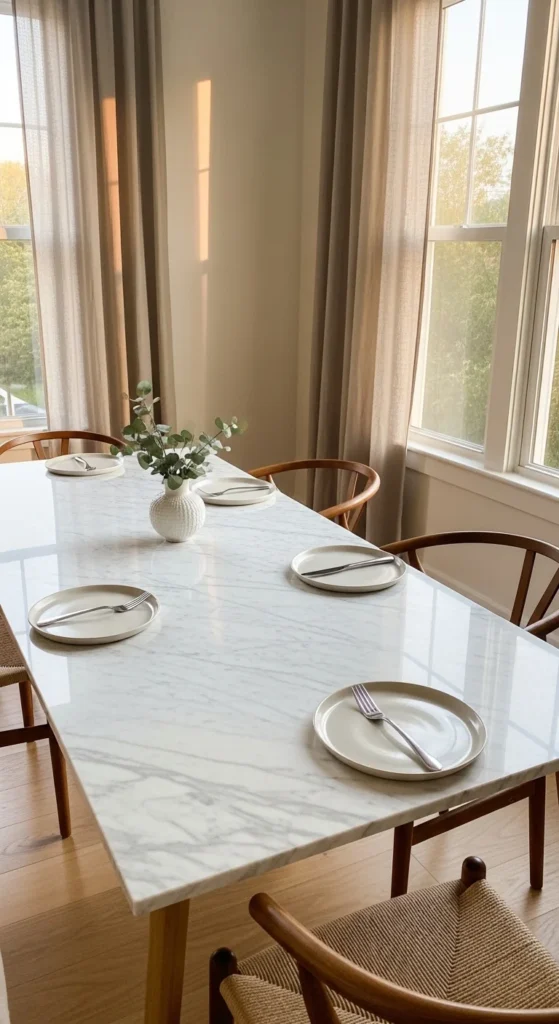
Transitional spaces feel grounded in nature. Combine wood, stone, linen, and glass for richness and balance. For example, a marble counter next to a wooden dining table feels both timeless and modern. Try swapping plastic or metal decor for woven baskets or ceramic vases to introduce organic warmth affordably.
6. Statement Lighting Fixtures
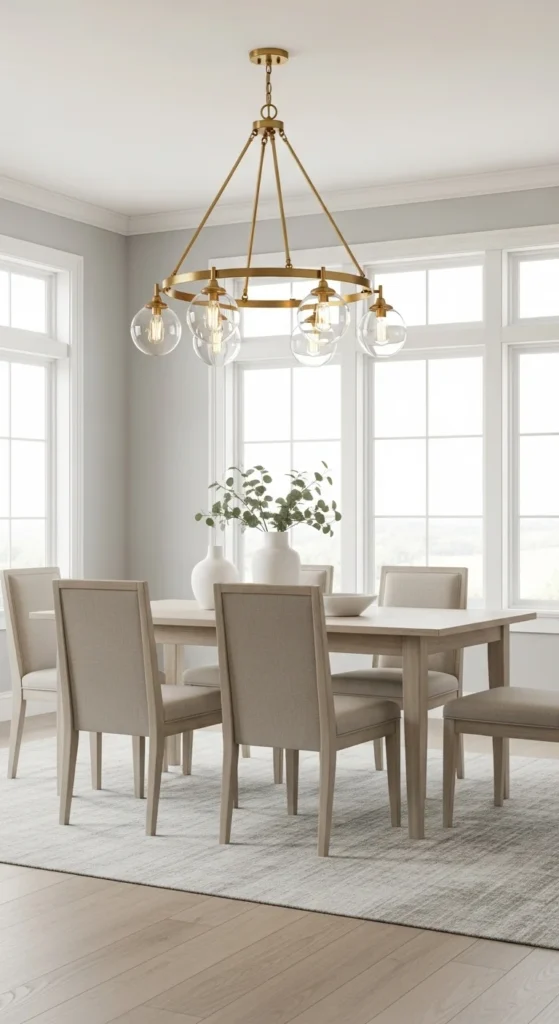
A bold light fixture becomes the centerpiece. Choose clean silhouettes that still nod to tradition, like lantern pendants or tiered chandeliers. Position them above key areas — dining tables or entryways — to define the space. Look for affordable replicas online if designer options are out of budget.
7. Mix of Textures
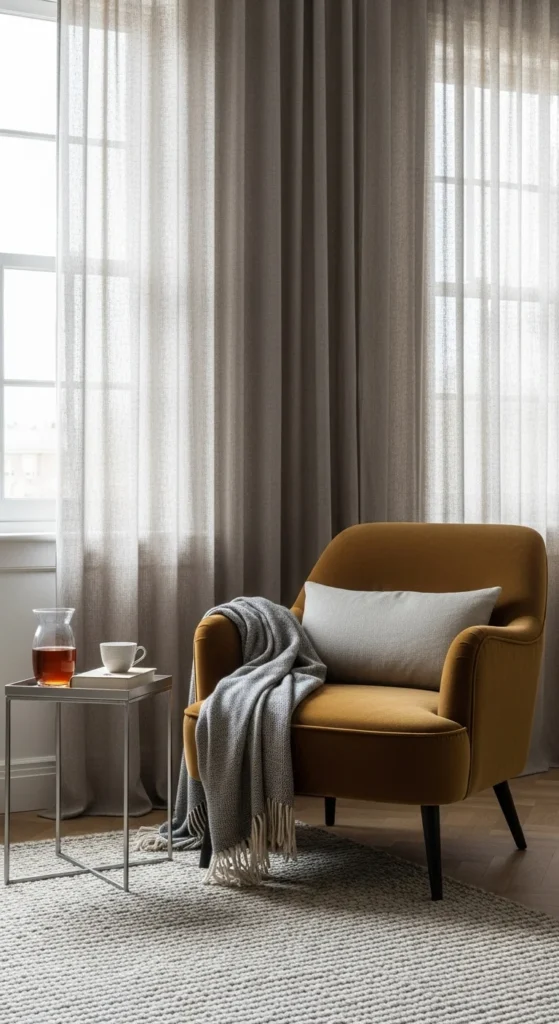
Texture brings depth and comfort. Mix smooth leather with soft textiles and glossy finishes with matte ones. For example, combine a sleek console with a chunky knit throw. Even a small space benefits from this tactile layering. Use neutral colors so each material stands out naturally.
8. Classic Artwork
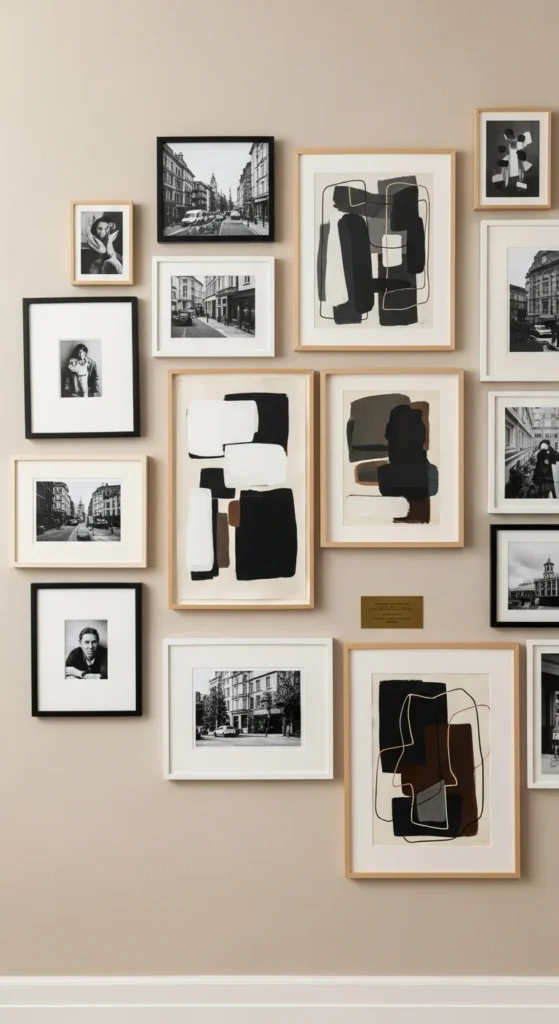
Artwork bridges old and new. Pair traditional frames with modern subjects or vice versa. Black-and-white photography, simple sketches, or abstract pieces all fit beautifully. Thrift stores often carry vintage frames — repaint them gold or black for a polished finish that suits any wall.
9. Transitional Sofas
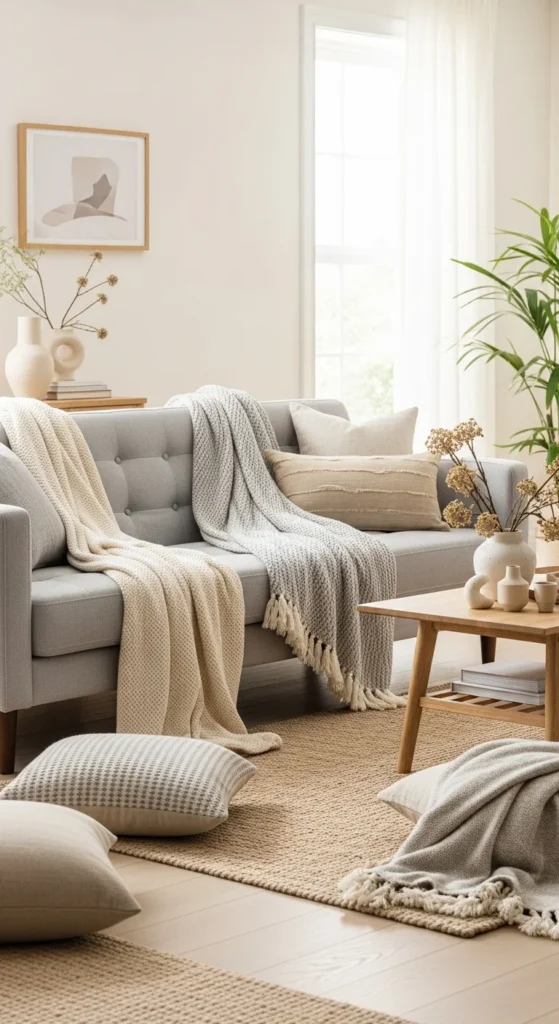
Choose sofas that feel timeless yet tailored. Straight arms with tufted backs are ideal. Go for performance fabrics in beige or gray — practical for daily living and easy to style. Add texture through cushions in linen or velvet. If your current sofa feels outdated, new legs or slipcovers can instantly modernize it.
10. Warm Metallic Accents
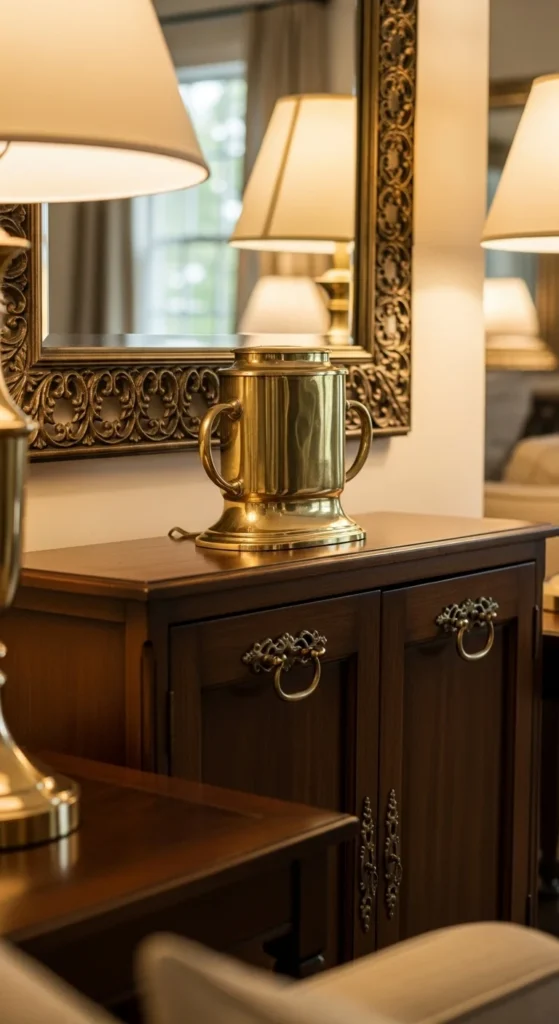
Warm metals like brass, bronze, and gold add understated glamour. Use them sparingly in light fixtures, mirrors, or decor objects. Avoid mixing too many tones—pick one and repeat it across the room. Spray painting old hardware or lamps is an easy way to introduce metallics without overspending.
11. Minimal Window Treatments
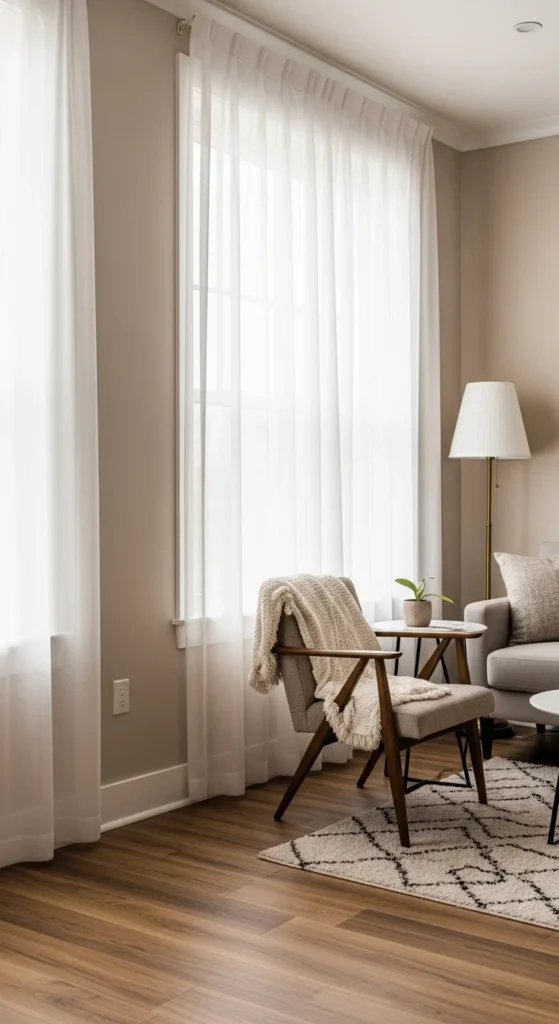
Keep window coverings light and airy. Sheer drapes or linen panels soften sunlight while maintaining openness. Avoid heavy fabrics or busy prints. Hang curtains high and wide to create height and elegance. Affordable ready-made panels can instantly refine your space with little effort.
12. Balanced Layouts
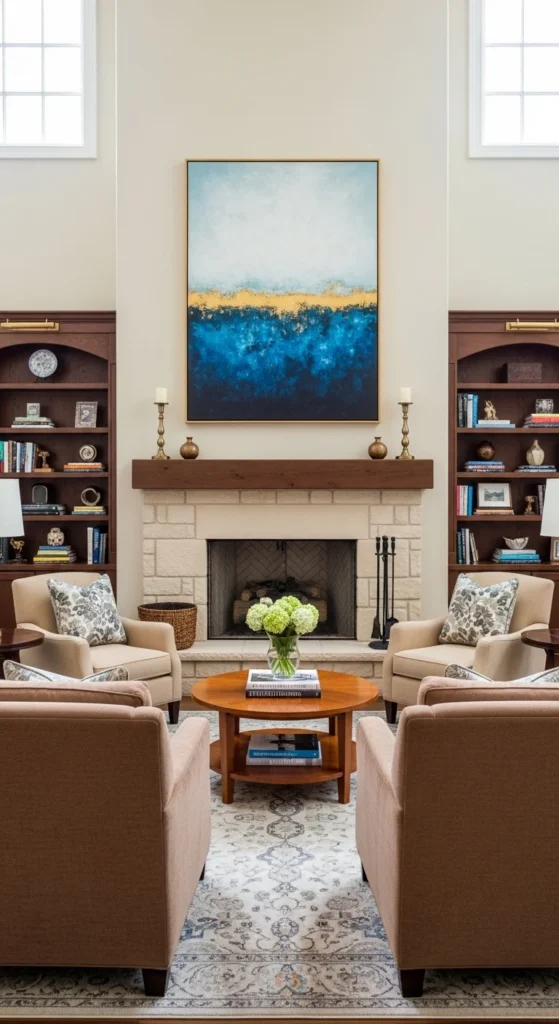
Symmetry brings calm. Arrange furniture in balanced pairs—like matching chairs or lamps—to create order. Keep pathways open and proportions even. This structure helps blend styles without feeling chaotic. Rearranging furniture costs nothing and often gives your space a more intentional flow.
13. Elegant Area Rugs
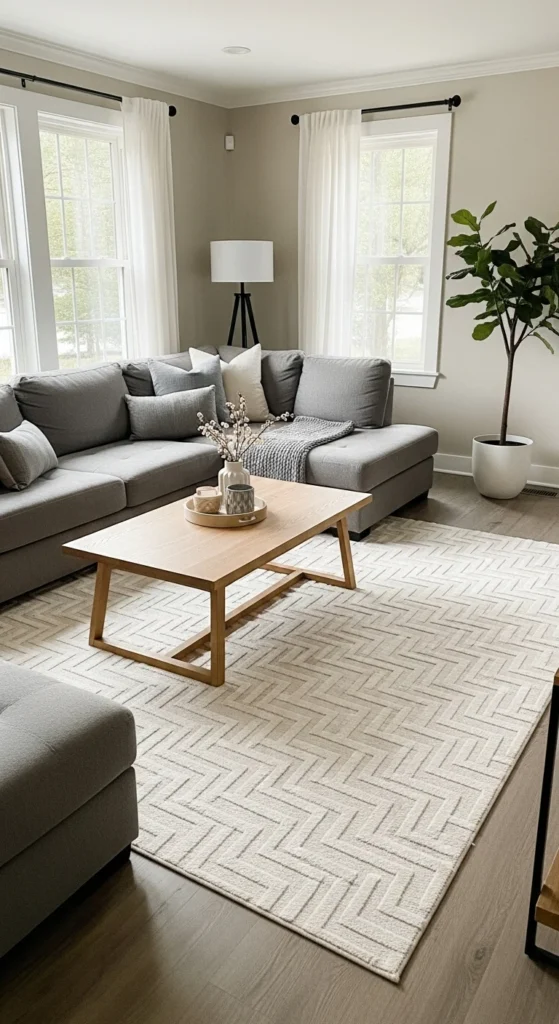
An area rug ties everything together. Choose subtle geometric or Persian-inspired patterns in soft tones. The rug should anchor your main furniture pieces. If your budget is tight, layer a smaller decorative rug over a large neutral one for dimension and warmth.
14. Calming Bedrooms
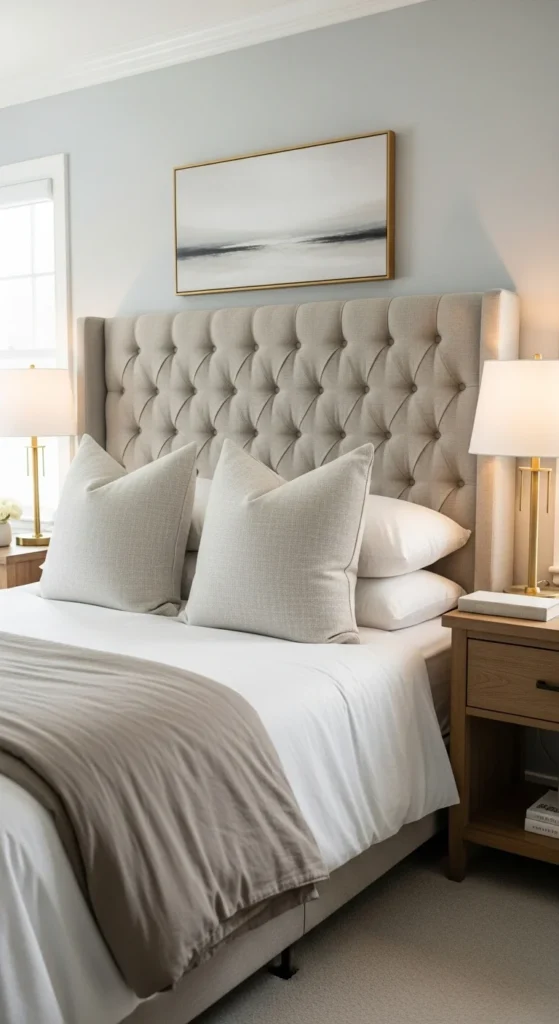
A transitional bedroom feels serene. Combine soft textiles, balanced furniture, and minimal color. Keep bedding simple — white, taupe, or gray — with layered throws. Add a single statement piece, like a tufted headboard or vintage bench. Small changes like new lamps or cushions can completely refresh the mood.
15. Simplified Decor
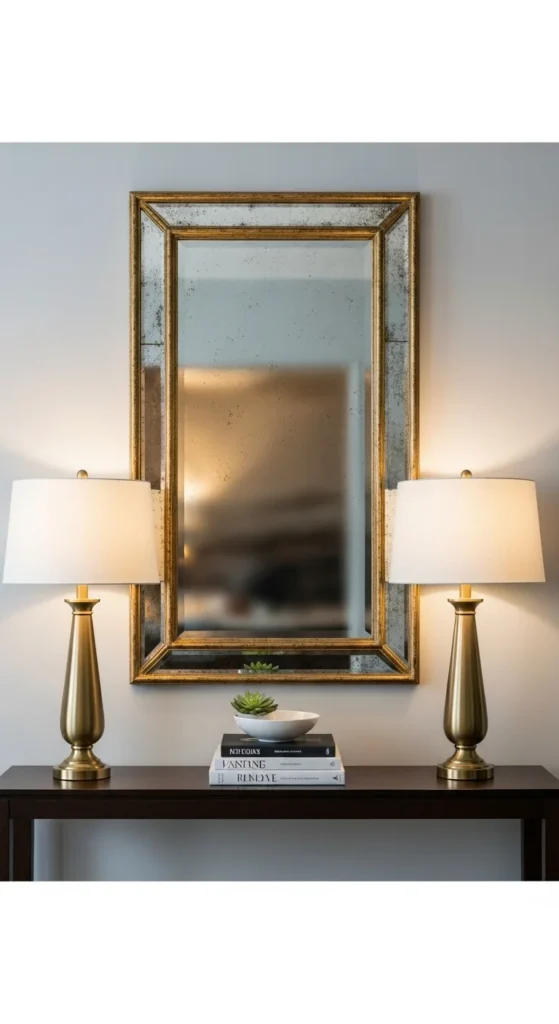
Less is more in transitional design. Focus on intentional pieces — a vase, framed art, or candle on a console table. Avoid clutter by editing decor seasonally. Reuse what you have, grouping items in threes for visual balance. It’s elegant and cost-free.
16. Soft Upholstery
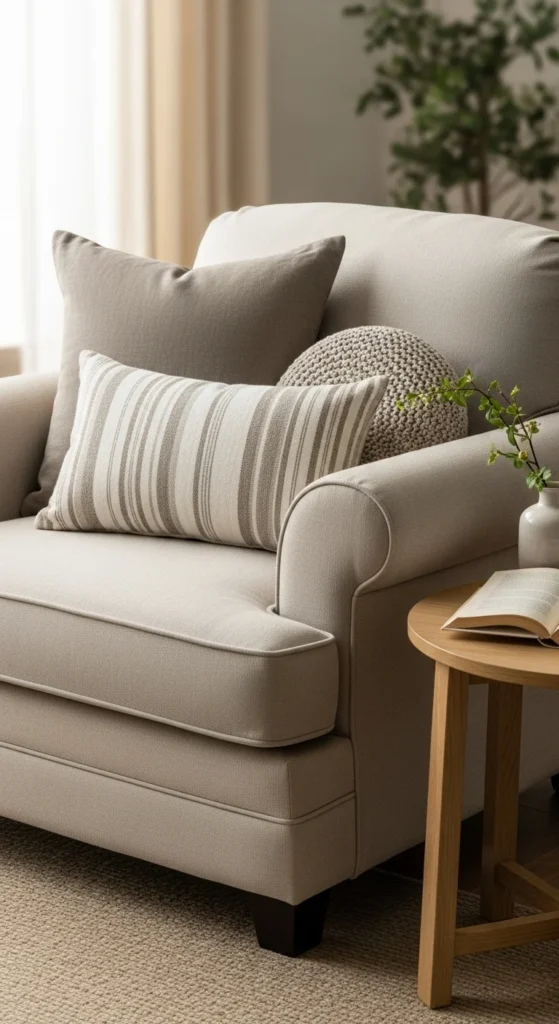
Comfort plays a big role. Upholstered furniture softens hard edges. Choose fabrics like cotton, linen, or velvet in neutral shades. Reupholstering thrifted chairs or adding slipcovers gives them new life. Pair with wooden or metal frames for a balanced look.
17. Mixed Finishes
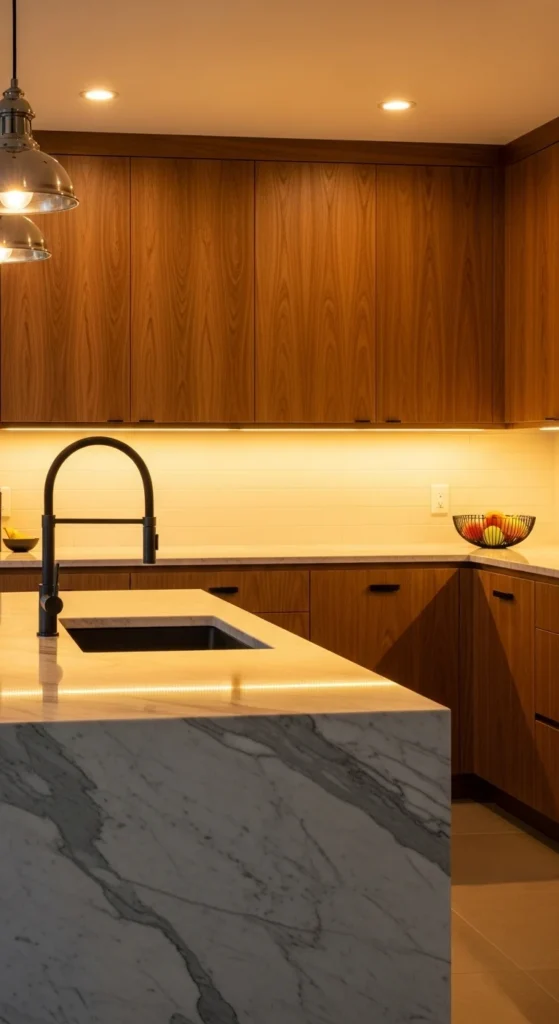
Combining materials adds subtle contrast. Mix matte and glossy finishes — marble with wood, or metal with glass. Transitional kitchens benefit from this contrast. Replace knobs or faucets for quick upgrades that make your space feel custom without a remodel.
18. Simple Wall Panels
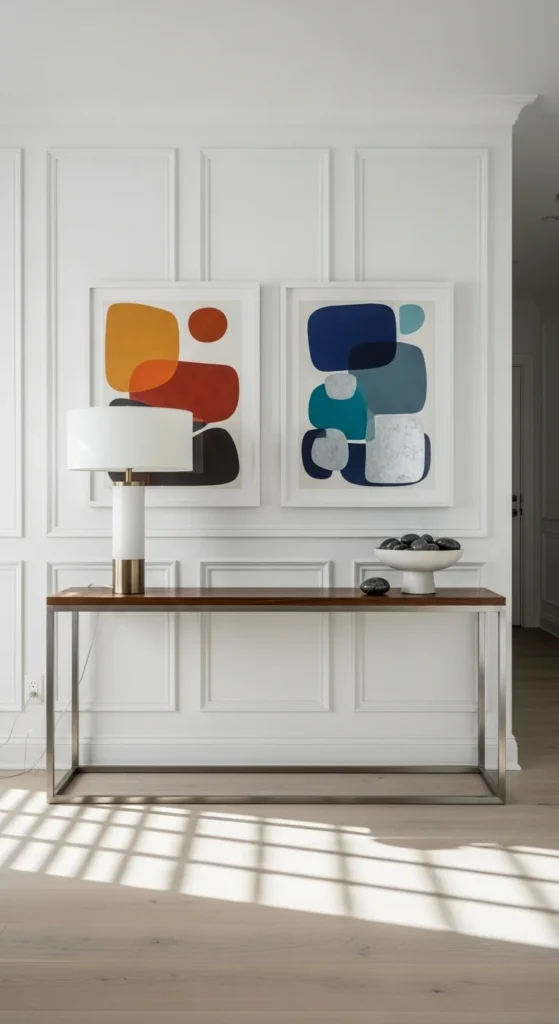
Wall molding adds quiet sophistication. Keep lines clean and understated. Use MDF trim painted the same color as your wall for depth. This DIY upgrade works in entryways or dining rooms, creating instant character with minimal cost.
19. Timeless Dining Tables
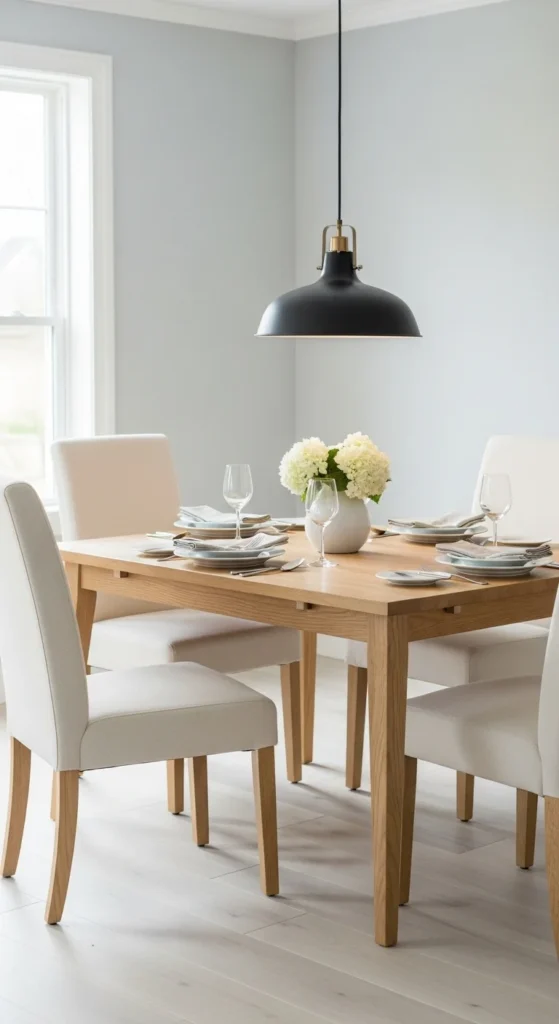
A solid dining table bridges styles effortlessly. Choose wood with simple legs and neutral seating. Add charm with linen runners and ceramic vases. Refinish existing tables with stain or paint for a new look that feels both modern and traditional.
20. Sculptural Decor Pieces
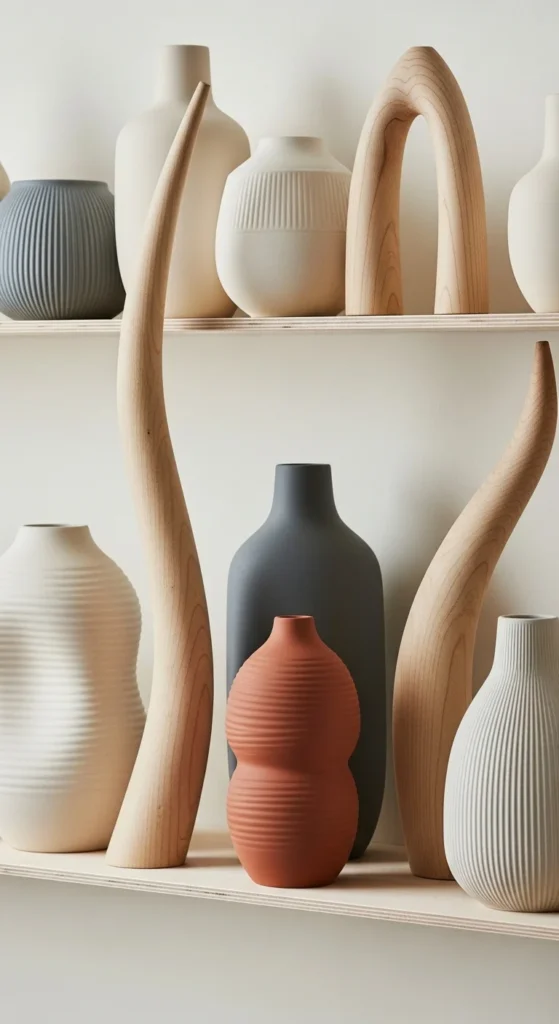
Decor with shape and form creates visual interest. Look for smooth, organic designs — ceramic vases, curved bowls, or abstract sculptures. These pieces bring artistic flair without clutter. DIY clay or plaster decor can achieve the same sculptural feel on a small budget.
21. Layered Bedding
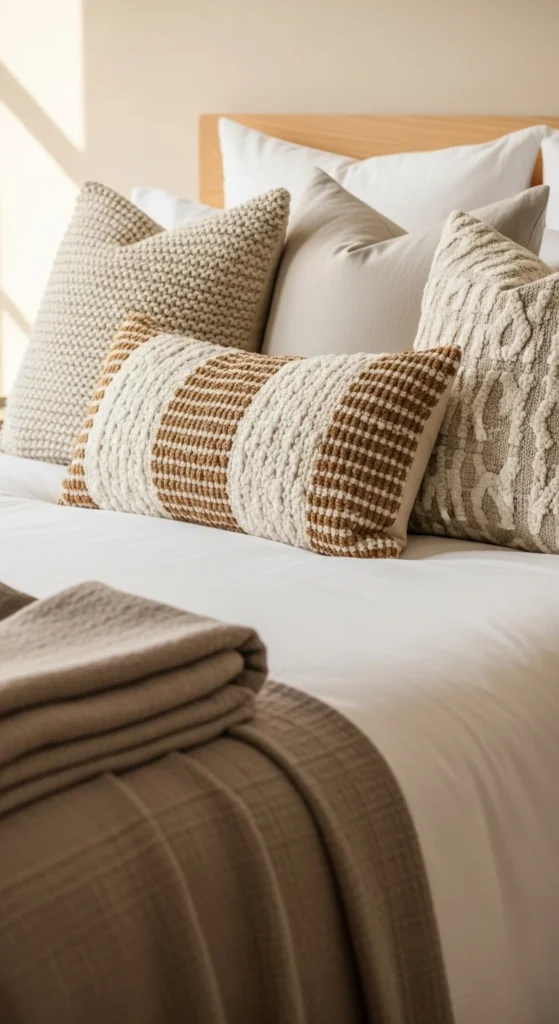
Layering adds comfort and elegance. Use neutral bedding as a base, then layer throws and pillows in different shades and materials. This approach works in any season. Even swapping pillow covers can refresh your entire room affordably.
22. Black Accents
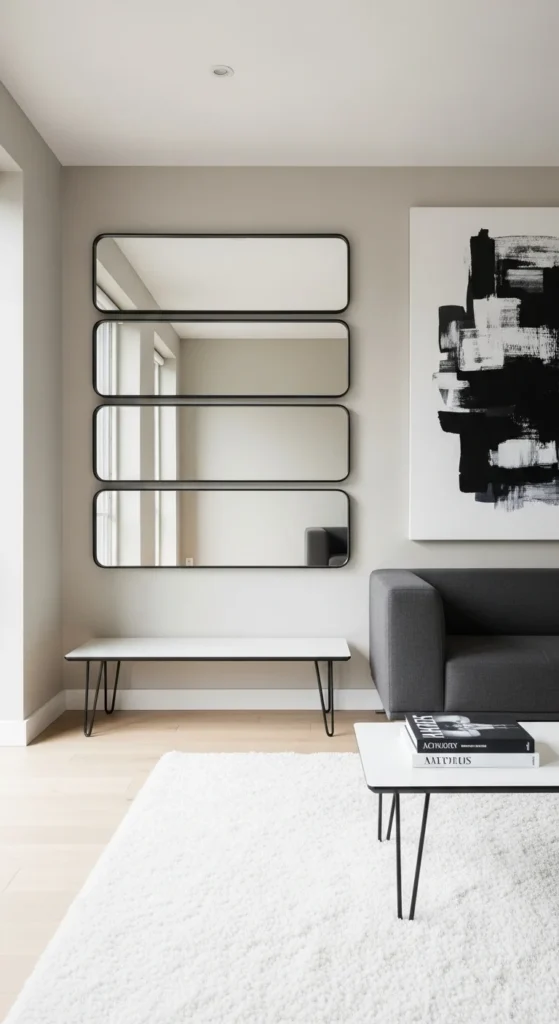
Touches of black ground the softness of transitional interiors. Use it sparingly in frames, furniture legs, or decorative objects. The contrast highlights lighter tones. Painting small accessories black is a quick DIY way to achieve this balanced, high-contrast look.
23. Functional Entryways
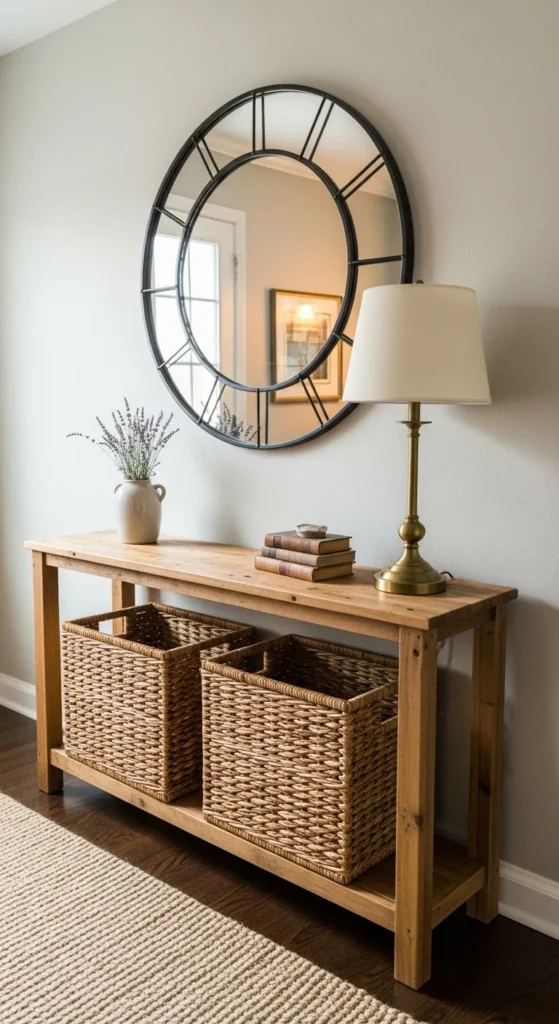
Make your entry inviting yet practical. Combine classic furniture shapes with modern organization — like woven baskets under a sleek table. Add a round mirror for brightness. It sets the tone for the rest of your home while keeping clutter at bay.
24. Tranquil Bathrooms
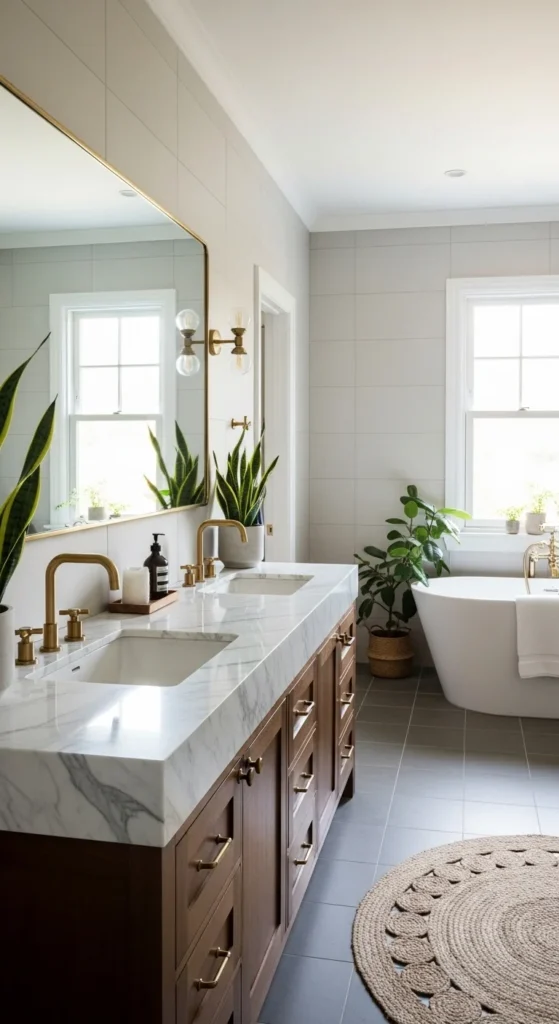
Bathrooms can be just as stylish. Stick to soft neutrals, glass, and metallic finishes. Add warmth with wooden trays, linen towels, or a small plant. Swapping faucets or lighting for brushed gold or matte black instantly updates the space without a full renovation.
Conclusion
Transitional decor celebrates balance, comfort, and timeless sophistication. It’s about blending modern function with classic beauty so your home feels warm yet refined. Start with small touches — a new rug, light fixture, or neutral palette — and build from there. Each element you add will create a space that feels calm, cohesive, and elegantly lived-in.
Leave a Reply