

Open shelving is one of the best ways to give your home a clean, stylish, and functional look. It makes any space feel open and airy while giving you the chance to display the items you love most—books, dishes, decor, plants, and more. The key is finding the right balance between beauty and practicality so the shelves look curated, not cluttered.
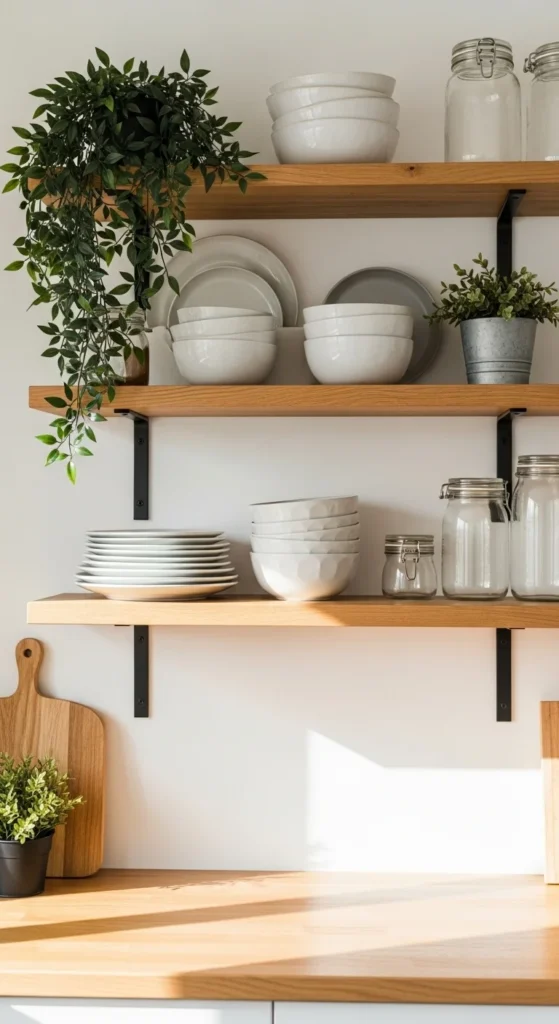
If you want to build open shelves that look designer-approved and also serve your everyday needs, this guide walks you through everything you need to know.
Start with the Right Shelving Material
The material you choose sets the tone for the entire space. Different materials create different moods, so think about the style you want.
Here are popular options:
- Wood: Warm, natural, perfect for cozy or rustic styles.
- Metal: Sleek, clean, modern, great for minimal homes.
- Glass: Subtle, airy, works in smaller rooms.
- Mixed materials: Wood shelves on metal brackets give a trendy industrial look.
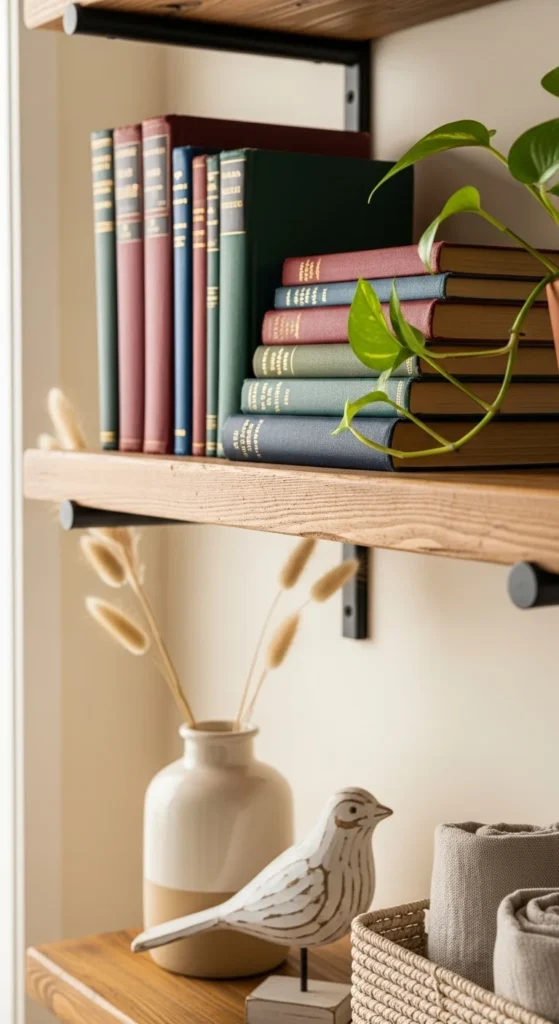
Tip: If you’re on a budget, choose pre-cut wood planks and stain them at home for a custom look.
Choose the Best Location for Function & Flow
Open shelves work in almost every room—but placement matters.
Popular spots include:
- Kitchens (for dishes, spices, mugs)
- Living rooms (for books and decor)
- Bedrooms (above the nightstand)
- Bathrooms (for towels and jars)
- Entryways (for baskets and keys)
Think about how you move through the space and what items you reach for most.
Quick Tip: Shelves near busy walkways should be shallow so they don’t feel bulky.
Create a Balanced, Stylish Arrangement
Styling is the secret to making open shelving look intentional instead of messy. The goal is a mix of functional items and decorative touches.
Use this simple formula:
- One plant for freshness
- One stack (books, plates, bowls)
- One decorative piece (vase, candle, sculpture)
- One practical item (jar, basket, dish)
Repeat this pattern across the shelf to create balance and flow.
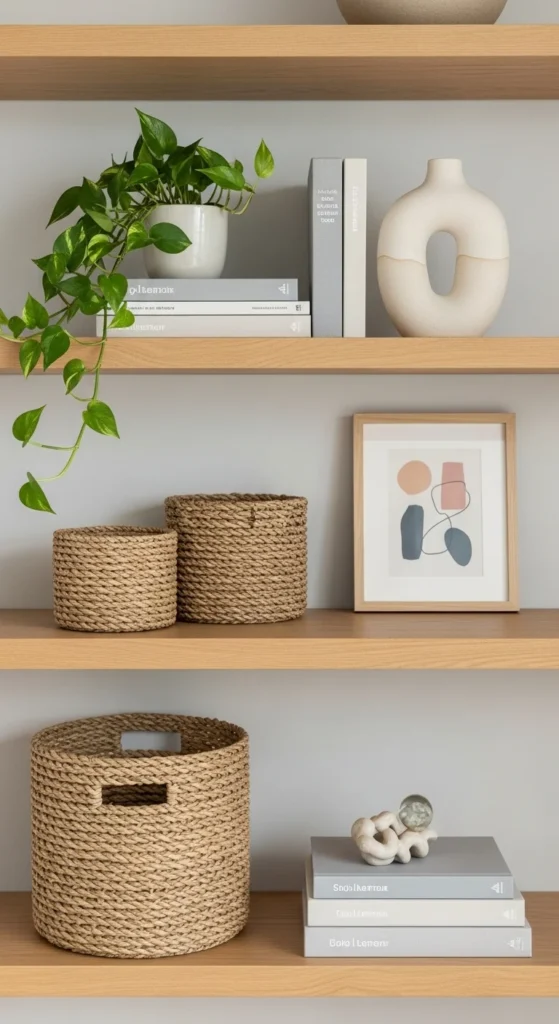
Styling Tips:
- Vary the height of objects
- Leave some empty space
- Mix textures—wood, ceramic, glass, greenery
- Use odd numbers (groups of 3 work best)
Use Baskets and Containers to Hide Small Items
Not everything belongs on display, and that’s where baskets and containers save the day. They keep the shelves tidy while still adding style.
Perfect for storing:
- Remote controls
- Makeup
- Chargers or cables
- Snacks
- Towels
- Office supplies
Choose containers made from natural materials like rattan, seagrass, or bamboo to add warmth. Clear jars also work beautifully in kitchens and bathrooms.
Pro Tip: Label containers if they hold everyday essentials—this keeps things organized and easy to grab.
Mix Practical Storage with Decorative Pieces
Open shelving should be both beautiful and useful. Don’t fill the shelves with only decor—mix in items you actually need.
In the kitchen, combine:
- Plates
- Bowls
- Glass jars
- Spices
- Small plants
- Cutting boards
In the living room, combine:
- Books
- Candles
- Small sculptures
- Woven baskets
- Picture frames
This blend ensures your shelves feel lived-in, not staged.
Play with Color and Texture for a Designer Look
Natural colors and textures help open shelves feel cohesive and calming. Choose a color palette and stick to it.
Popular organic palettes:
- White + wood + greenery
- Black + tan + cream
- Gray + oak + soft blues
- Beige + terracotta + ivory
Textures also matter—mix smooth ceramics with woven baskets, clear glass, matte pottery, and wooden elements.
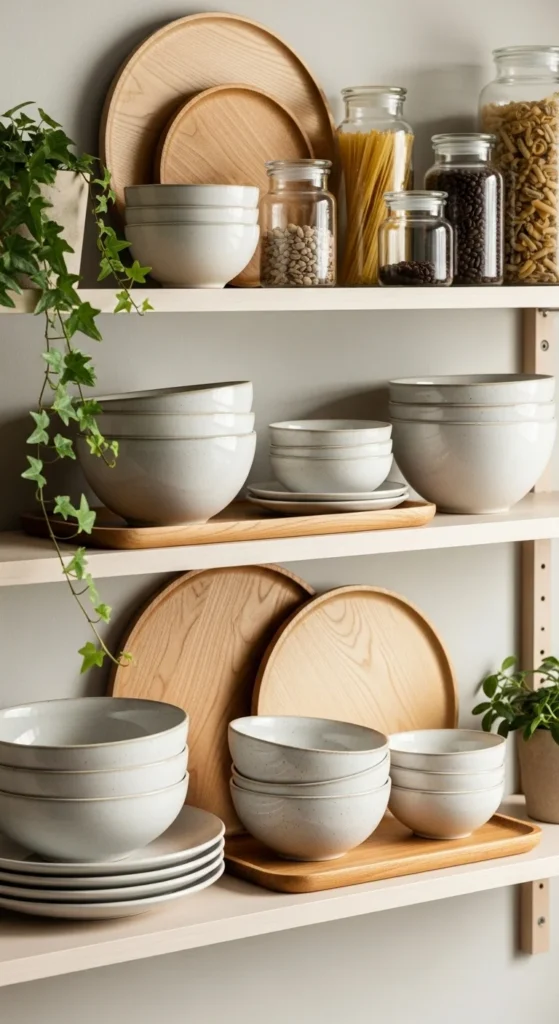
Add Greenery for Life and Freshness
Plants instantly upgrade open shelving by adding softness and natural movement. Choose plants that trail or stand upright depending on your design vision.
Great shelf-friendly plants:
- Pothos
- String of hearts
- Small snake plants
- Mini monstera
- Succulents
- Ferns
Bonus: Plants break up hard lines, making the shelf look more organic and relaxed.
Use Lighting to Highlight Your Shelf Styling
Lighting can completely transform how your shelves look.
Try adding:
- LED strip lights under the shelves
- Small battery-powered puck lights
- A nearby floor lamp
- Warm-toned bulbs for a cozy glow
Lighting not only makes shelves more functional but also adds mood and depth to the entire room.
Tip: Avoid cool white lights—they make shelves look harsh.
Don’t Overfill—Leave Breathing Room
One of the biggest mistakes is overcrowding. Open shelving needs space to look clean and intentional.
Follow the 70/30 rule:
- 70% items
- 30% empty space
It keeps the shelf feeling calm instead of chaotic.
If something feels “off,” remove one item. In open-shelf styling, less is almost always more.
Final Takeaway
Open shelving is one of the easiest ways to upgrade your home—giving you beauty, style, and everyday function all in one. With the right materials, thoughtful styling, greenery, and texture, your shelves can look like they came straight from Pinterest.
Leave a Reply