

Designing a kids’ room that looks adorable today and still works years from now can feel like a challenge. Kids change fast—their favorite colors, toys, hobbies, even sleep routines evolve with every stage. But with a smart plan, you can create a room that adapts beautifully from toddler years to tween life without needing a full makeover every few months.
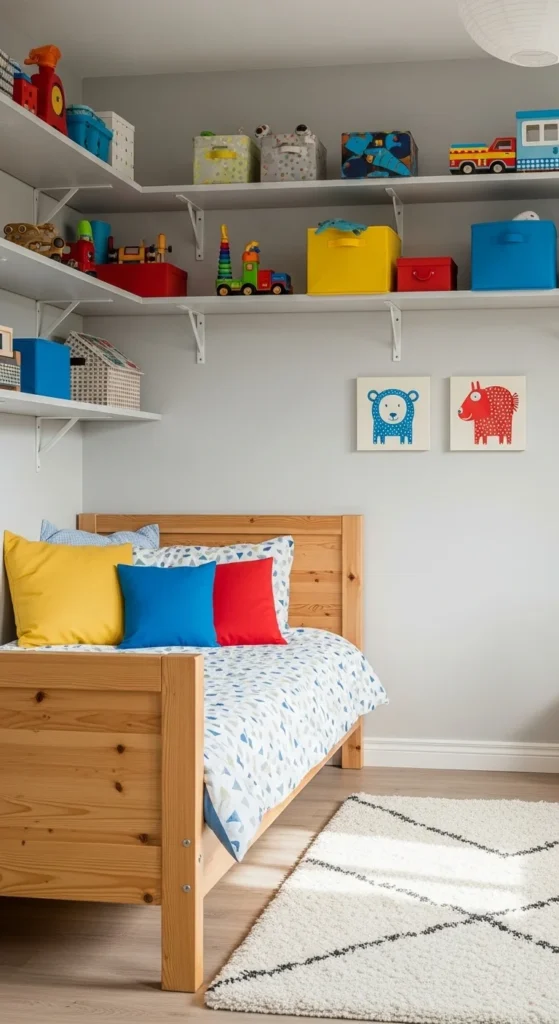
The key is choosing flexible pieces, layering in personality, and creating zones that shift as your child grows. Here’s how to design a space that’s practical, stylish, and built to last.
Start with a Neutral Foundation
When designing a room that needs to work for years, the foundation matters. Keep the big elements—walls, flooring, major furniture pieces—neutral and timeless.
Why this works:
- Neutral tones age well
- You can change the room’s vibe using decor
- It prevents the space from feeling “too baby-ish” later
- It keeps the room flexible for multiple styles
Soft grays, whites, beiges, dusty blues, or muted pastels give you freedom to add colorful touches without overwhelming the space.
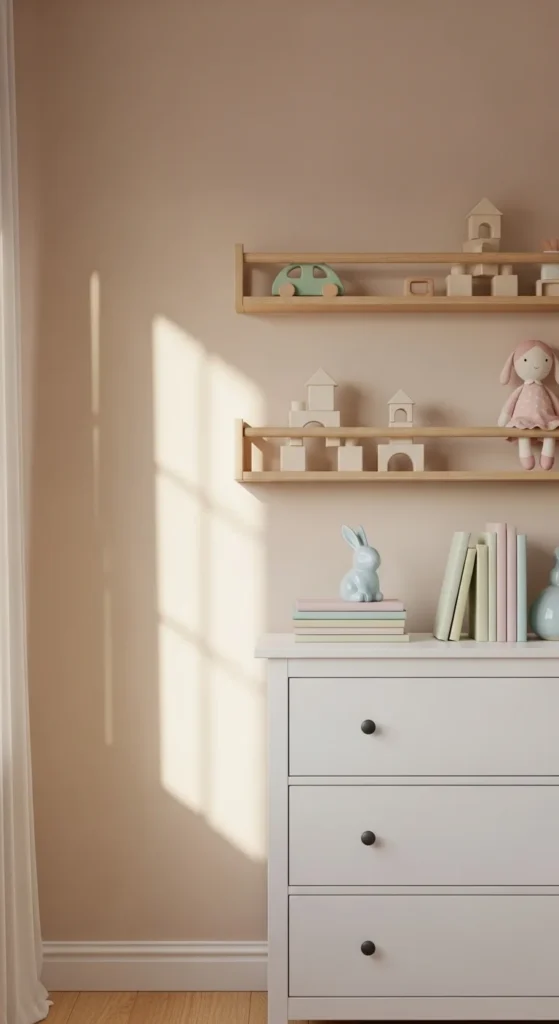
Pro Tip: If your child loves bold colors, bring them in through pillows, wall decals, or bedding—items you can update easily and affordably.
Choose Furniture That Can Adapt Over Time
Kids grow quickly, and their furniture should grow with them. Look for pieces that serve multiple ages and functions.
Smart choices include:
- Convertible cribs that turn into toddler beds
- Adjustable desks that can be raised as they grow
- Bookshelves that transition from toy storage to book displays
- Neutral dressers that work from toddler to teenager
- Toy boxes that become blanket storage later
Buy furniture with clean lines and neutral finishes—white, wood, gray—so it blends easily with future decor styles.
Bonus Idea: Add removable hardware like fun knobs or colorful handles to dressers. You can swap them later for a more mature look.
Create Dedicated Zones for Play, Rest & Learning
A well-designed kids’ room should support their daily routines. Creating zones helps the room stay organized as their needs change.
1. Sleep Zone
Keep the bed simple, cozy, and away from heavy noise or clutter.
- Soft bedding
- A dimmable lamp
- Plush rug
- Simple artwork
2. Play Zone
Use open space or a soft rug for safe play. Include:
- Toy baskets
- Low shelves
- Activity table
3. Learning/Study Zone
As kids grow, this becomes increasingly important. Add:
- A small desk
- Child-friendly chair
- A cork board or wall organizer
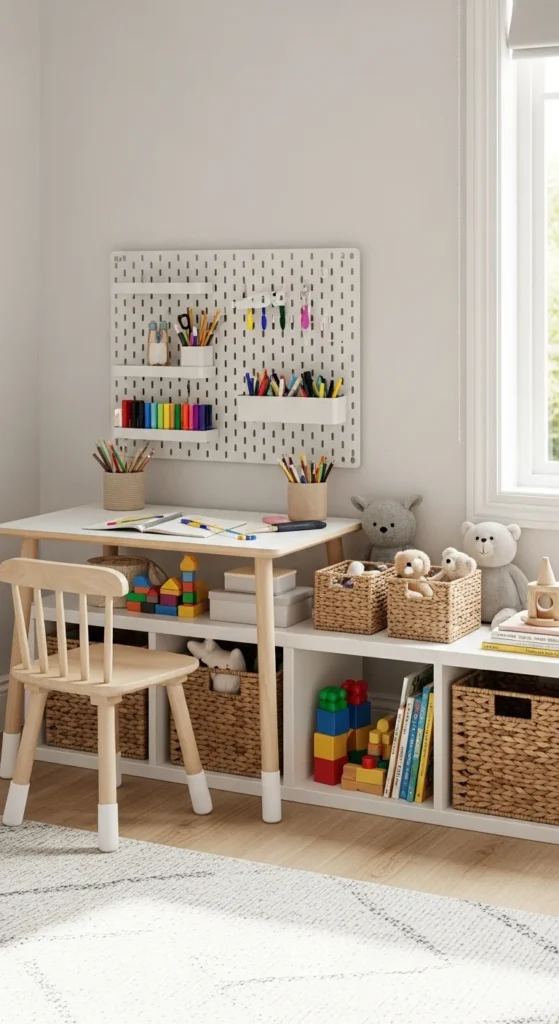
Tip: These zones can shift over time— the play zone becomes a reading nook, and the study zone grows into a teen workspace.
Use Smart Storage That Keeps Up with Growth
Storage is the secret to a room that stays tidy—even with toys everywhere. Choose storage that kids can use on their own.
Great long-term options:
- Open shelves
- Baskets and bins
- Rolling carts
- Storage benches
- Cube organizers
These items work for toys now but can hold books, accessories, electronics, or craft supplies later.
Design Tip: Label baskets with icons for young kids and words for older ones. It builds independence and keeps the room organized at every age.
Bring in Personality with Easy-to-Update Decor
This is where your child’s personality shines—without locking you into a short-term theme.
Choose decor pieces that can be swapped out as interests change:
- Bedding
- Rugs
- Wall decals
- Posters
- Throw pillows
- Lamps
- Decorative baskets
- Stuffed toys
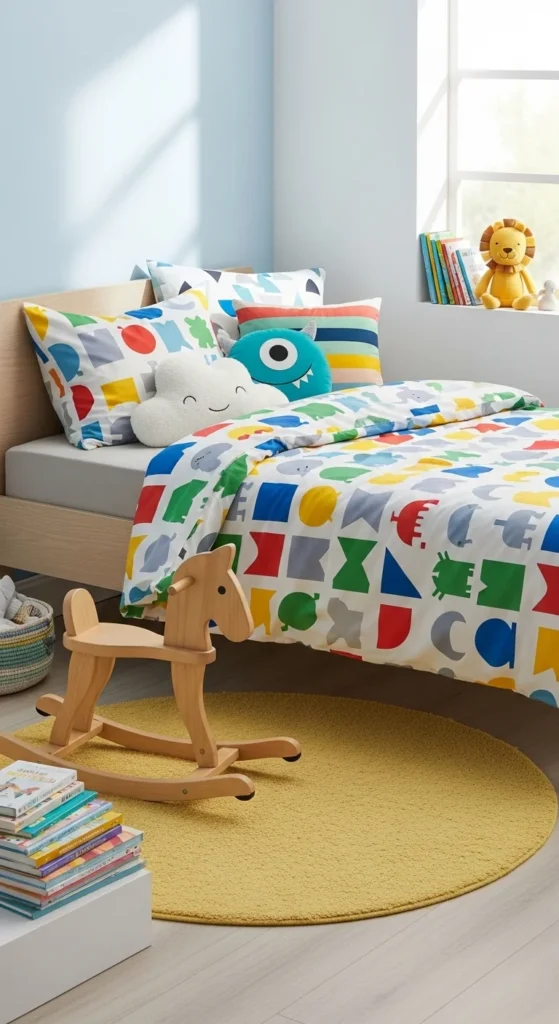
If they love dinosaurs today and space tomorrow, updating the room is as simple as replacing a few accessories—not repainting the walls or buying new furniture.
Keep the Room Safe and Functional as They Grow
Safety looks different at each stage. Make sure the room adapts with your child.
For toddlers:
- Anchor furniture to walls
- Use soft edges
- Choose washable fabrics
- Keep breakables out of reach
For older kids:
- Add better task lighting
- Increase storage
- Provide a larger workspace
- Ensure outlets are safe and accessible
As your child matures, make space for activities they love—crafting, reading, gaming, music, or studying.
Let Your Child’s Voice Guide the Design
A room should feel like theirs. Involve your child in the process, even if they’re young. Ask questions like:
- “Which color do you like best?”
- “Do you want shelves or a toy basket?”
- “Where should we put your reading corner?”
When kids feel ownership over their room, they’re more excited to take care of it—and more comfortable as the space evolves.
Final Takeaway
A kids’ room that grows with them doesn’t require a huge budget or constant makeovers. Focus on timeless basics, flexible furniture, smart storage, and easy-to-update decor. Create spaces for rest, play, and learning—and let your child’s personality shine in every part of the room.
Leave a Reply