

Color blocking isn’t just for fashion—it’s one of the boldest and easiest ways to transform your home with personality and style. Whether you want a dramatic feature wall, a playful pop of color, or a calm yet modern layout, color blocking lets you create a polished designer look without complicated renovations.
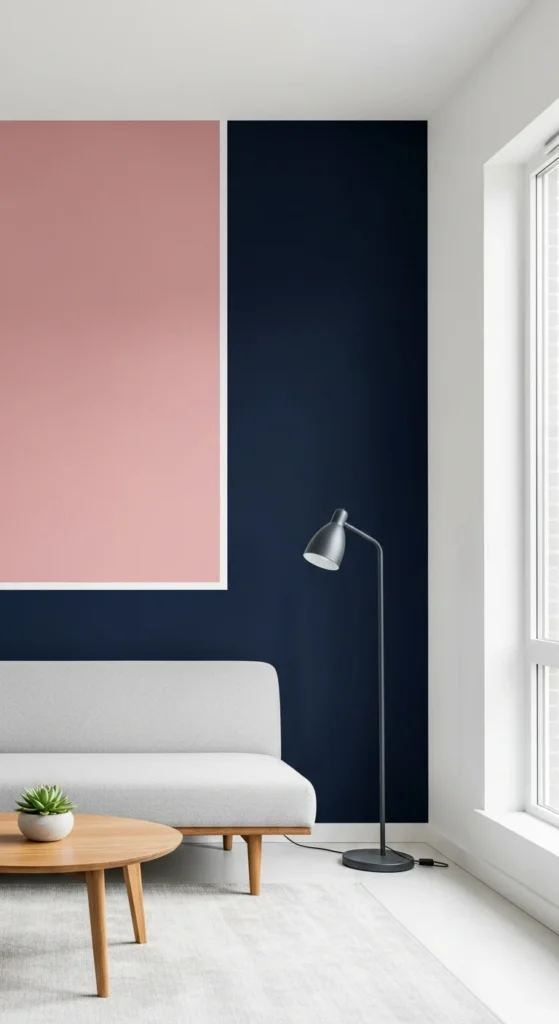
Done right, color blocking can shift the mood of a space, define zones, and instantly make your home feel more curated. Here’s how to master it with confidence.
Start With a Simple Color Palette
The key to great color blocking is planning. Don’t choose random colors—choose a palette that feels intentional and harmonious.
Tips for choosing your colors:
- Start with 2–3 colors, not 5 or 6.
- Use a combination of one bold color, one neutral, and one accent shade.
- Select colors with similar undertones (warm with warm, cool with cool).
- Pull colors from items already in the room—pillows, rugs, artwork, etc.
If you’re unsure, classic combinations always work:
- Navy + White + Gold
- Blush Pink + Charcoal + Beige
- Forest Green + Cream + Black
- Terracotta + Ivory + Brown
It’s easier to expand later once your base palette feels right.
Choose Where to Apply Color Blocking
Color blocking works almost anywhere, from walls to furniture—but where you place it makes a huge difference.
Popular spots to create color blocks:
- Accent walls behind a bed or sofa
- Half-painted walls to elongate small rooms
- Diagonal or geometric designs in hallways
- Door frames painted in contrasting colors
- Bookshelves with multi-toned back panels
- Stairway walls divided into bold sections
- Ceilings painted differently to create drama
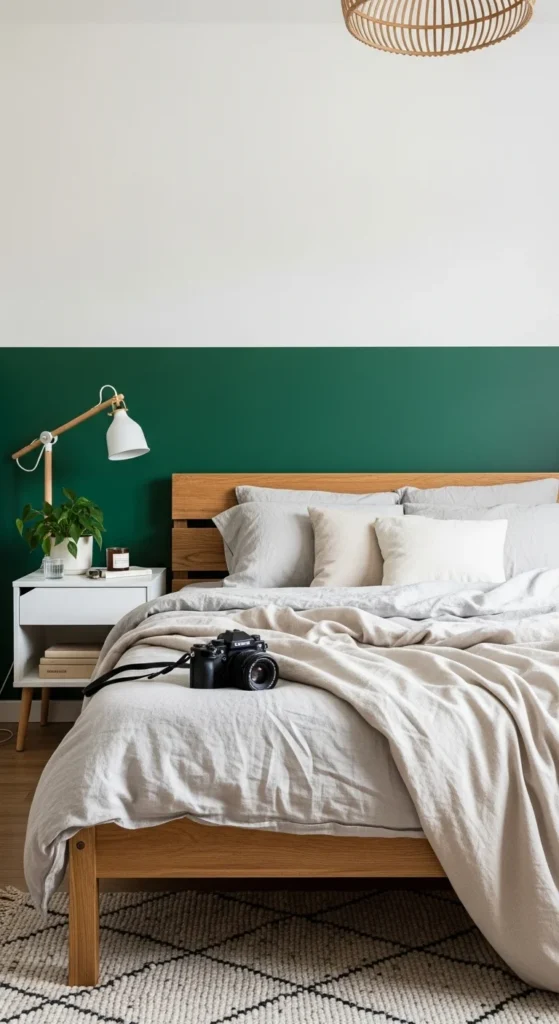
Start small if you’re nervous—try one wall or a corner before tackling an entire room.
Play With Shapes, Not Just Colors
Color blocking is more than simple straight lines. You can create modern, artistic designs by using unexpected shapes.
Shape ideas:
- Horizontal half walls
- Arched color backgrounds
- Large rectangles or squares
- Asymmetrical color sections
- Circular color “spots” behind lamps or art
- Diagonal color lines for movement
Geometric shapes add structure, while rounded shapes feel soft and playful.
Use Tape Carefully for Clean Lines
Perfect edges are what make color blocking look professional.
A few pro tips:
- Use high-quality painter’s tape.
- Press the tape firmly with a flat tool to avoid bleeding.
- Paint the edge with the base wall color first (this seals the tape).
- Remove tape while the paint is still slightly wet for crisp lines.
These small steps make a huge difference in the final result.
Add Contrast With Furniture and Decor
Color blocking doesn’t stop at the wall. You can carry the palette into your furniture and accents to tie the whole room together.
Consider adding:
- Throw pillows that match your block colors
- A rug with geometric patterns
- Lamps in your accent color
- Color-coordinated planters
- Art prints that echo your palette
- Ottomans or side tables in bold hues
These details help the room feel cohesive and intentional rather than unfinished.
Try Soft Color Blocking for a Subtle Look
Not every space needs sharp edges and bold shapes. If you love a calm aesthetic, try a softer, more blended form of color blocking.
Soft color blocking ideas:
- Pastel tones
- Gradient (ombre) walls
- Muted earthy tones
- Two-toned walls with soft curved transitions
- Very light neutrals with delicate contrast
You’ll still get the modern color-blocked feel but in a soothing, understated way.
Use Color Blocking to Define Zones
In open-concept spaces, color blocking is one of the BEST ways to divide areas without using walls.
Use color to define:
- A home office corner
- A dining area within the living room
- A play zone for kids
- A reading nook
- An entryway backdrop
Paint visually separates spaces and adds structure in a simple, affordable way.
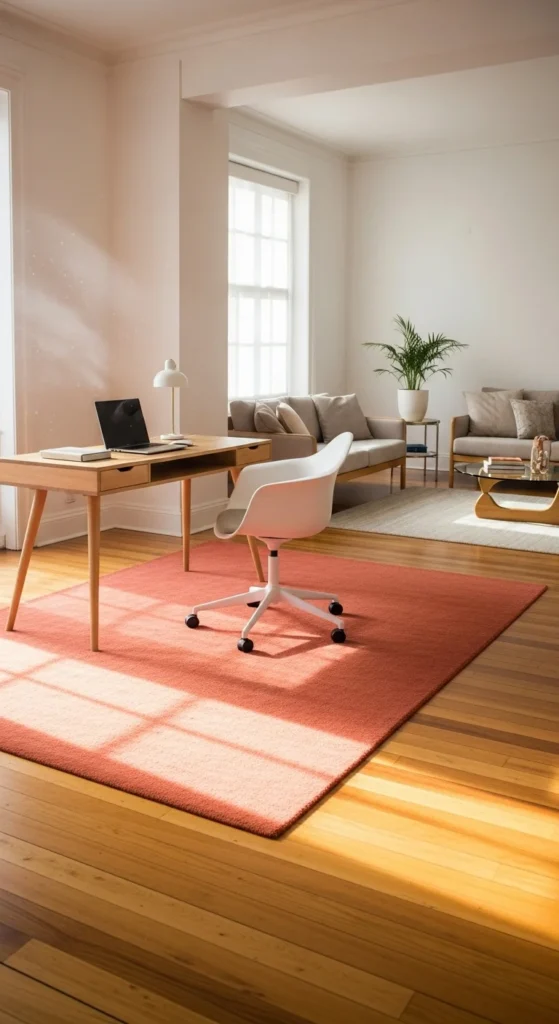
Balance Bold Choices With Neutrals
If you go big with color blocks, balance them with neutral elements so the room doesn’t feel chaotic.
Perfect balancing items:
- White trim
- Light wood furniture
- Neutral rugs
- Beige or cream fabrics
- Simple artwork
- Clean metal finishes
Neutrals give your bold colors space to breathe and help prevent visual clutter.
Don’t Forget the Ceiling (It’s a Secret Weapon!)
Painting the ceiling is one of the boldest—and most overlooked—ways to color block. It instantly makes a room feel artistic and unexpected.
Try:
- A deep navy ceiling with white walls
- A soft blush ceiling in a cozy bedroom
- A mustard ceiling in a modern kitchen
- A charcoal ceiling for dramatic dining rooms
Just make sure to keep the walls lighter so the ceiling color truly pops.
✅ Final Takeaway
Color blocking is one of the easiest ways to bring personality, structure, and modern style into your home. Whether you choose bold shapes, subtle tones, or art-inspired layouts, the key is to stay intentional with your palette and placement.
Leave a Reply