

A beautiful centerpiece can completely transform your table—even if the rest of your setup is simple. Whether you’re hosting a dinner party, setting up for a holiday, or just want to elevate an everyday meal, a DIY centerpiece adds personality and charm without requiring expert crafting skills.
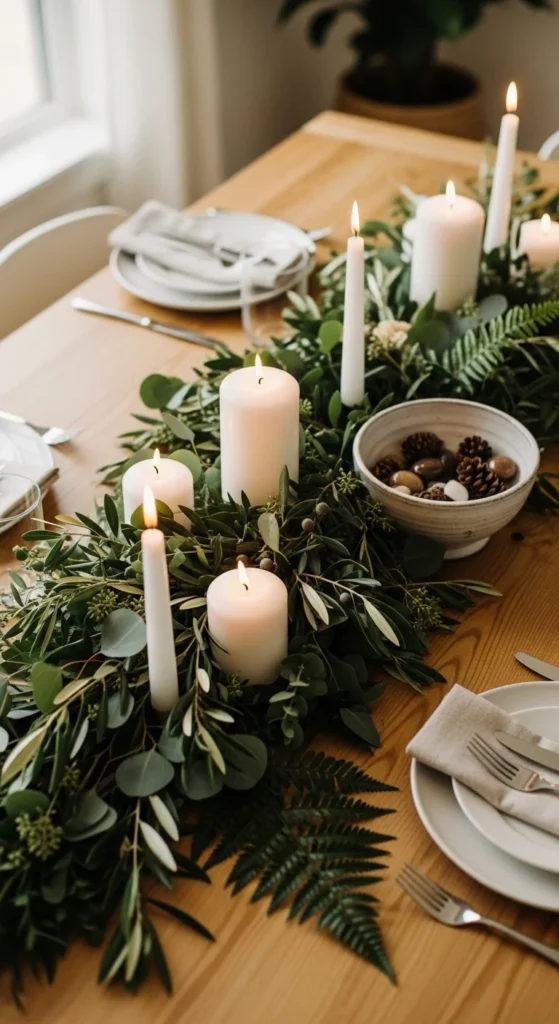
The best part? You don’t need expensive materials or complicated steps. With a few clever ideas and some everyday decor pieces, you can create a show-stopping centerpiece that your guests will remember.
Start With a Strong Base
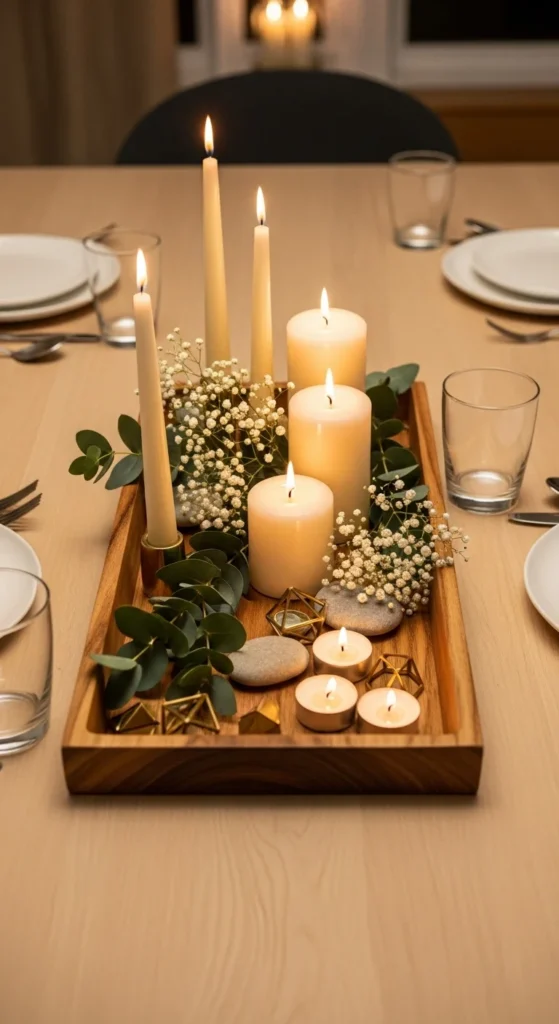
Every great centerpiece starts with a solid foundation. Your base keeps everything grounded and visually balanced, so choose something that fits your theme.
Good base options include:
- A wooden tray
- A woven basket
- A mirrored or metal tray
- A long ceramic dish
- A vintage crate
- A glass or marble slab
The base should take up around one-third of the table—big enough to make an impact but small enough to leave room for plates and glasses.
Choose Your Color Palette
Color is what ties your centerpiece together. Pick 2–3 tones and repeat them throughout your arrangement.
Try these beautiful palette ideas:
- White + Gold + Greenery
- Black + Natural Wood + Cream
- Navy + Brass + Glass
- Blush + Beige + Rose Gold
- Terracotta + Brown + Olive
A cohesive color palette makes even simple items look professionally styled.
Add Height for Drama
A flat arrangement can look plain. Adding height creates dimension, flow, and visual movement.
Ways to add height:
- Tall candles
- A small vase with long stems
- Branches or pampas grass
- Stacked books
- A sculptural bowl
Just make sure it’s not so tall that guests can’t see each other across the table.
Mix Textures for a Designer Look
Texture is what makes your centerpiece feel rich and layered. Aim for at least three different textures.
Try mixing:
- Glass + wood + greenery
- Metal + linen + ceramic
- Woven elements + matte surfaces + glossy accents
Textures catch light in different ways and make your centerpiece more interesting to look at.
Use Natural Elements to Add Life
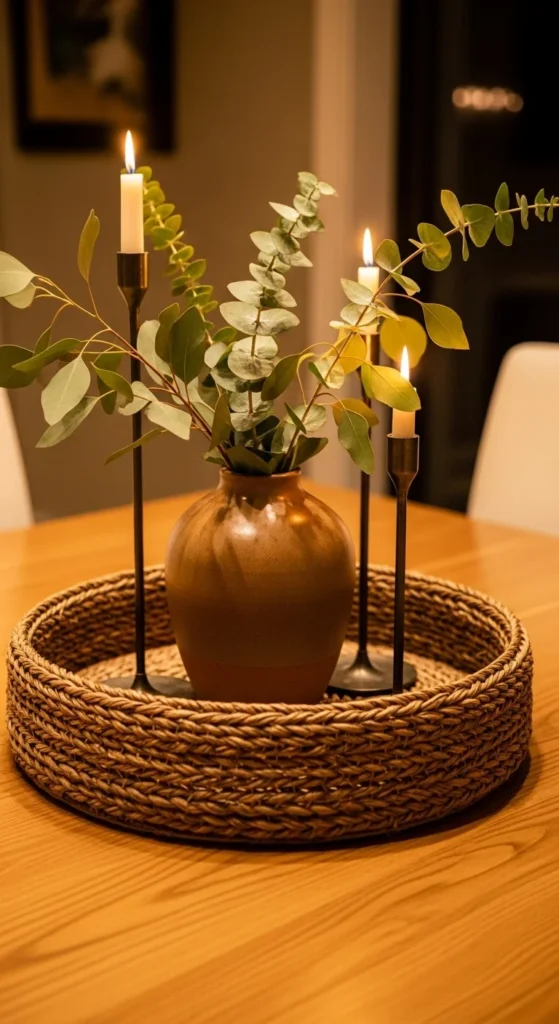
Fresh or faux greenery instantly makes a centerpiece look polished and high-end.
Great natural additions:
- Eucalyptus
- Olive stems
- Seasonal flowers
- Pine branches (for winter)
- Orchids or roses (for elegance)
- Lemons, oranges, or apples (for a fresh look)
You can mix greenery with candles or decorative objects for a balanced arrangement.
Add Candles for Instant Warmth
Candles bring mood, warmth, and a cozy ambience that always impresses guests.
Candle tips:
- Use a mix of heights (tapers + pillars + tealights).
- Stick to one candle color for unity.
- Use LED candles if you’re worried about open flames.
- Add glass hurricanes for a more elevated feel.
Candles create the kind of soft, flattering glow that makes every table feel special.
Include a Standout Piece as Your Focal Point
Every great centerpiece has one element that draws attention.
Your focal point could be:
- A tall vase
- A statement bowl
- A sculptural candle holder
- A floral arrangement
- A lantern
- A handmade pottery piece
Build the rest of your items around this anchor piece for a balanced layout.
Create Layers and Visual Flow
Think of your centerpiece like a small landscape—everything should flow together, not sit in separate spots.
Create layers by:
- Placing taller items at the back or center
- Adding mid-height items around them
- Filling gaps with greenery
- Letting small items and candles sit at the edges
This creates a natural, visually pleasing arrangement.
Personalize It for the Occasion
A great centerpiece feels intentional, not generic. Add small touches that match the vibe of your event.
For a holiday:
- Mini pumpkins
- Pinecones
- Ornaments
- Fairy lights
For a casual dinner:
- A bowl of fresh citrus
- Fresh herbs in jars
- A stack of small books
For a romantic evening:
- Soft roses
- Gold candle holders
- Linen fabric folded down the center
A few personalized additions make your table feel thoughtful and festive.
Keep It Practical
A centerpiece should be beautiful—and functional.
Make sure your design doesn’t get in the way of dining.
Practical tips:
- Leave space for dishes and drinks.
- Avoid overly wide arrangements.
- Keep strong scents minimal.
- Ensure candles are stable and safe.
Your guests should admire your centerpiece, not move it out of the way!
✅ Final Takeaway
Creating a DIY centerpiece that impresses guests isn’t difficult—you just need the right structure, color palette, textures, and a few beautiful elements layered thoughtfully. Whether you prefer something simple and modern or bold and seasonal, these steps help you design a centerpiece that feels truly special.
Leave a Reply