

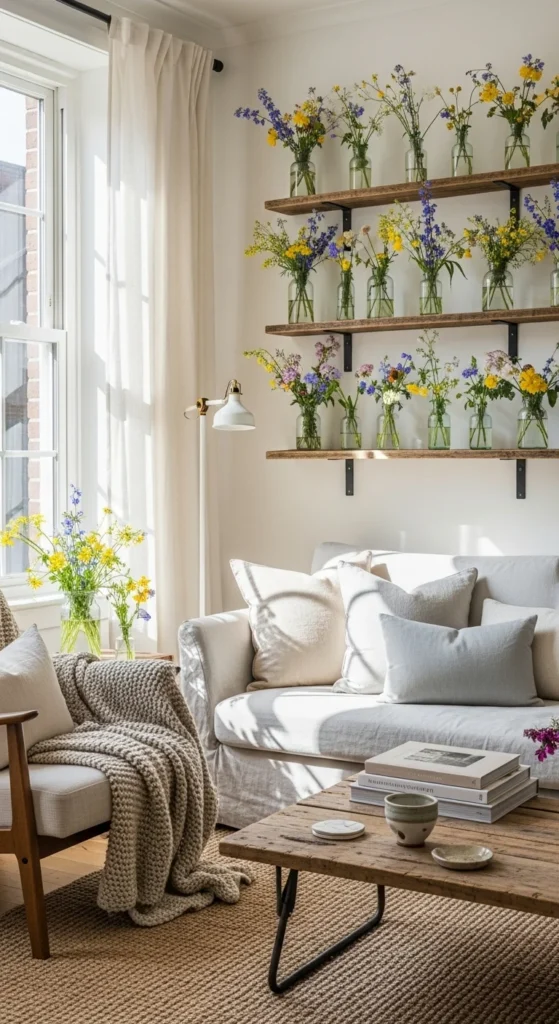
Spring decor trends are shifting toward choices that feel thoughtful, affordable, and visually pleasing. Many people want homes that feel lighter for the season while relying on materials that last and items that can be reused year after year. Eco-friendly spring decor focuses on simple swaps, secondhand finds, and natural elements that already exist around you. These ideas show how small changes can shape a space that feels calm, warm, and styled without excess spending or waste.
1. Reclaimed Wood Accent Pieces
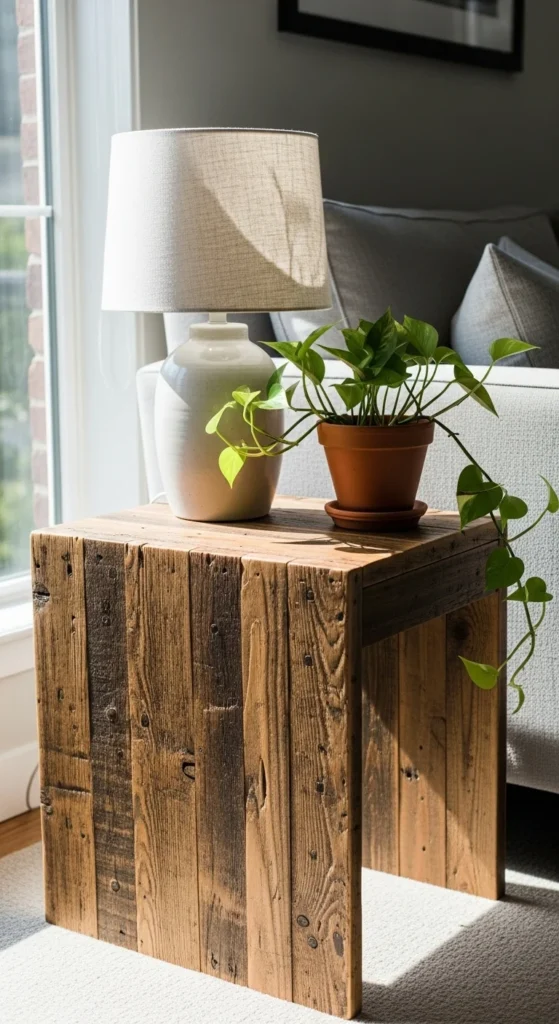
Reclaimed wood adds character without relying on newly produced materials. Old shelves, crates, or tabletop offcuts can become accent pieces with minimal effort. Light sanding often brings out beautiful grain patterns. A clear seal keeps the surface practical for daily use.
Small pieces work well for spring. Try a reclaimed wood tray on a coffee table or a narrow shelf near an entryway. These projects often cost little when sourced from salvage yards or online marketplaces.
If tools are limited, use reclaimed wood as-is. Stack boards to create a rustic bench or lean a plank against a wall as a display ledge. Pair with neutral decor so the texture stands out. This approach keeps the space grounded and calm while avoiding short-lived seasonal decor.
2. Glass Jars as Decorative Vases
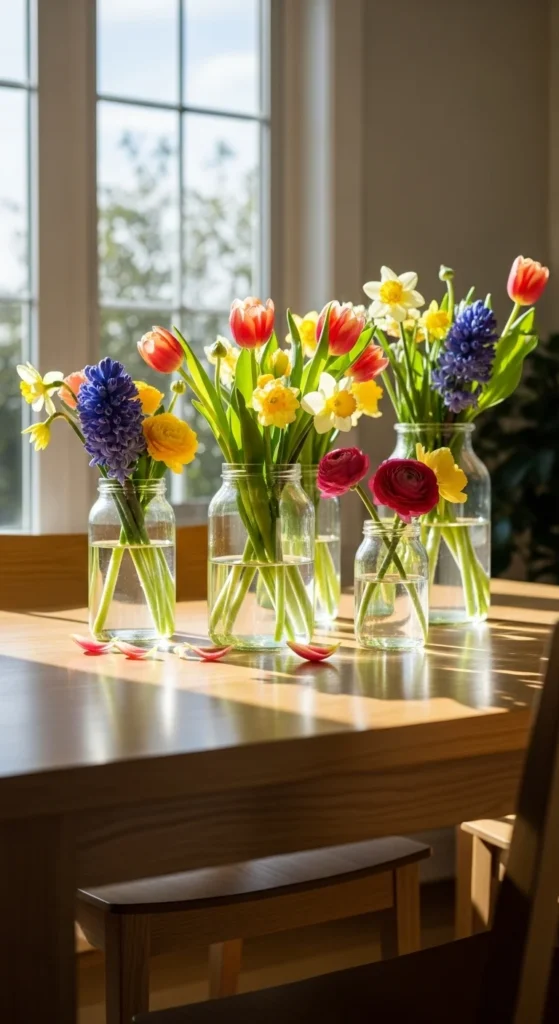
Glass jars are one of the easiest decor upgrades. Pasta jars, jam jars, and sauce jars can hold flowers, branches, or dried stems. Their clarity keeps the look light and airy for spring.
Group jars in odd numbers for a styled look. Use different heights to add interest. Twine or fabric scraps around the rim add texture without permanent changes.
For a budget-friendly option, keep jars clear and let greenery do the work. Even clipped backyard branches feel styled when placed intentionally. This idea works well for dining tables, shelves, and window sills. It reduces waste while making everyday items part of your decor routine.
3. Linen or Cotton Cushion Covers
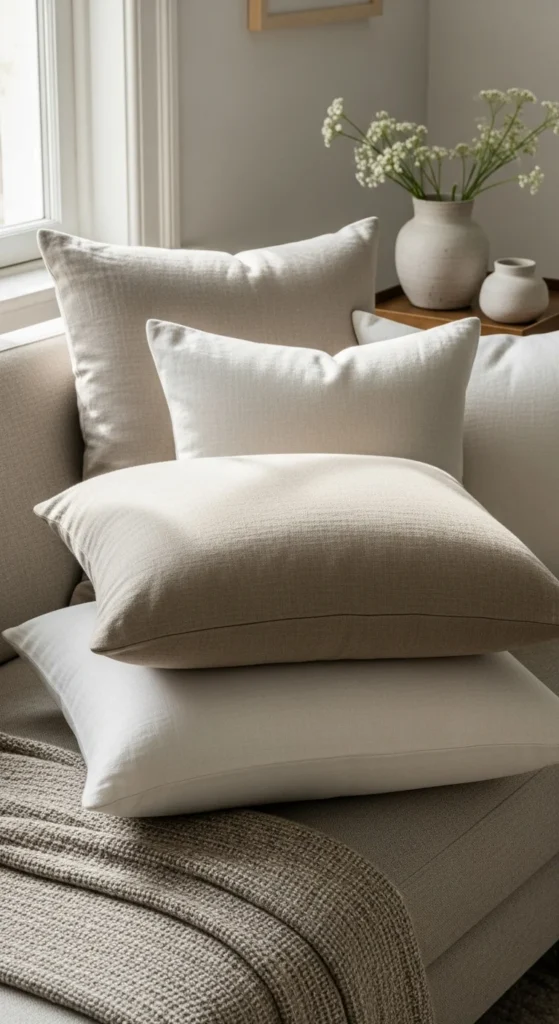
Swapping cushion covers changes the room without replacing furniture. Linen and cotton feel breathable and suit warmer months. These fabrics also wash well and last longer than synthetic blends.
Choose neutral tones like beige, soft green, or warm gray. These shades mix easily with what you already own. If sewing skills are basic, old tablecloths or fabric remnants can become covers with simple straight seams.
Focus on texture rather than bold prints. Woven or slightly crinkled fabrics add interest without overpowering the space. This approach keeps spring decor flexible and reusable across seasons.
4. Potted Herbs for Kitchen Styling
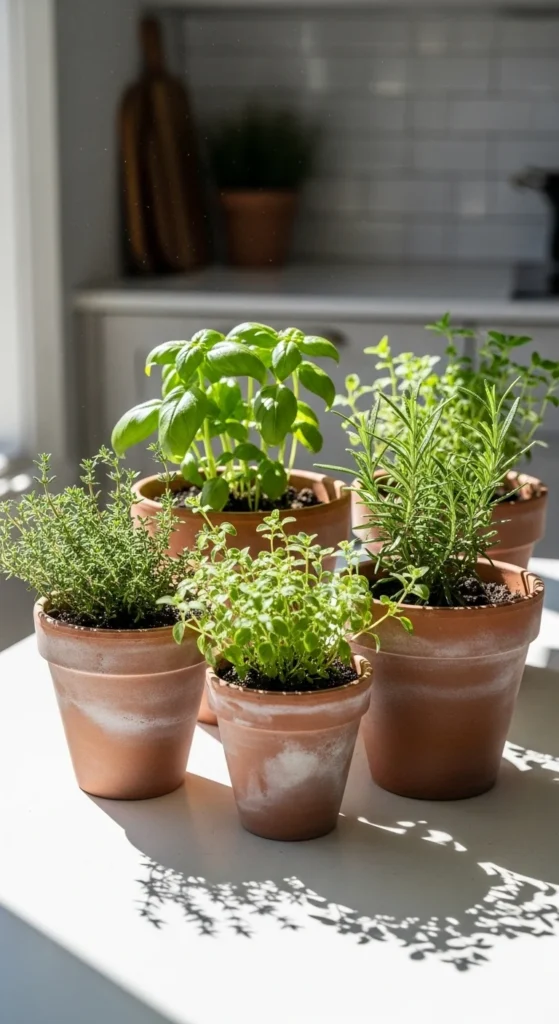
Herbs bring life into kitchens while serving a practical role. Basil, mint, or rosemary grow well indoors near windows. Terracotta pots allow airflow and develop a natural patina over time.
Reuse containers instead of buying new planters. Tin cans or ceramic mugs work well once drainage holes are added. Place a tray underneath to protect surfaces.
This decor idea combines greenery with daily use. Trim herbs regularly to keep them tidy. The result feels intentional and calm while reducing reliance on decorative items that serve no purpose.
5. Secondhand Ceramic Planters
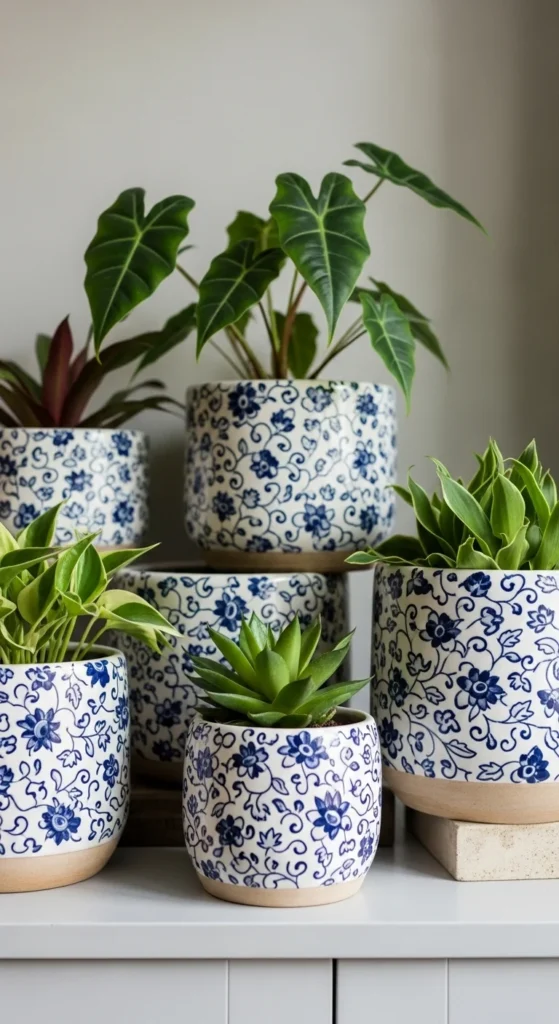
Thrift stores often carry ceramic planters in unique shapes and glazes. These pieces add character without new production. Minor chips or color variations give charm rather than flaws.
Clean planters thoroughly and pair them with similar-toned plants for cohesion. Grouping them together creates a styled look without needing matching sets.
This idea works well for shelves, consoles, or window corners. It keeps decor flexible and affordable while supporting reuse.
6. Natural Fiber Rugs
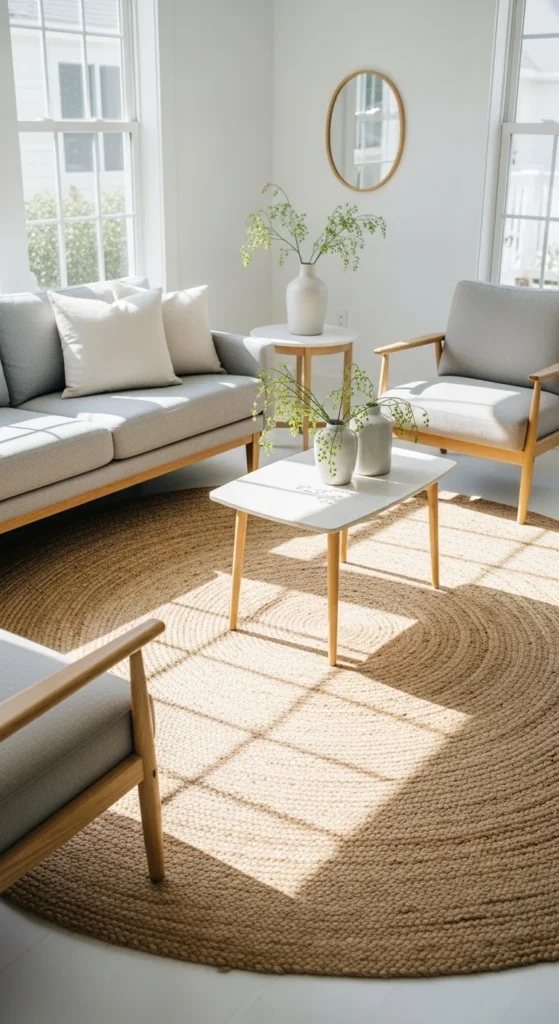
Jute and sisal rugs add warmth without heavy patterns. They suit spring by grounding spaces while keeping the look open. These rugs also wear well in high-traffic areas.
Layer a small cotton rug on top for softness if needed. This allows easy washing and extends rug life.
Neutral rugs act as a base for seasonal changes. They work year-round and reduce the desire for frequent replacements.
7. Branch Arrangements from Outdoors
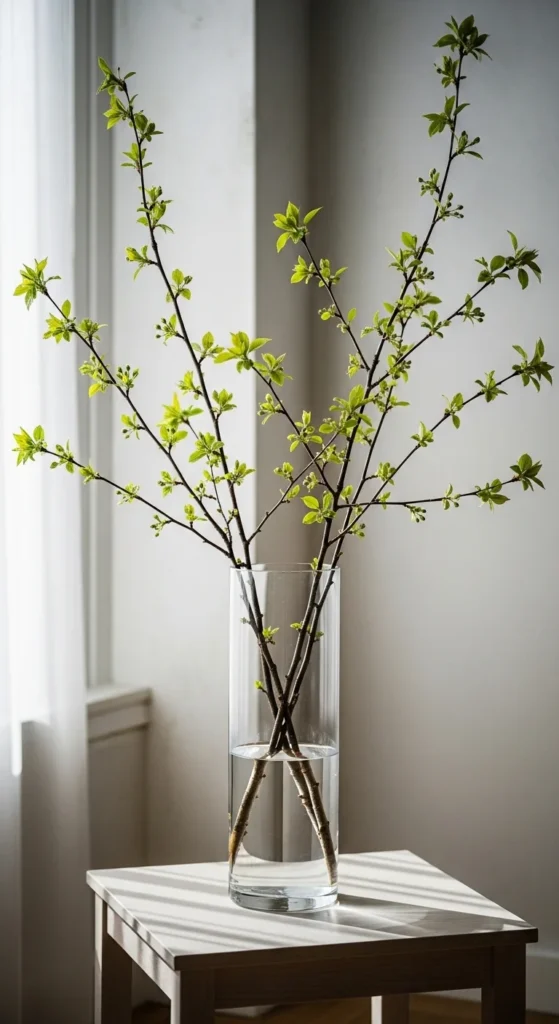
Branches offer height and structure without cost. Choose fallen branches with buds or subtle curves. Clean them before bringing indoors.
Place them in tall vases or bottles. Keep styling minimal so shapes stand out.
This decor choice connects indoor spaces with seasonal changes while relying on what already exists outdoors.
8. Beeswax Candles for Soft Lighting
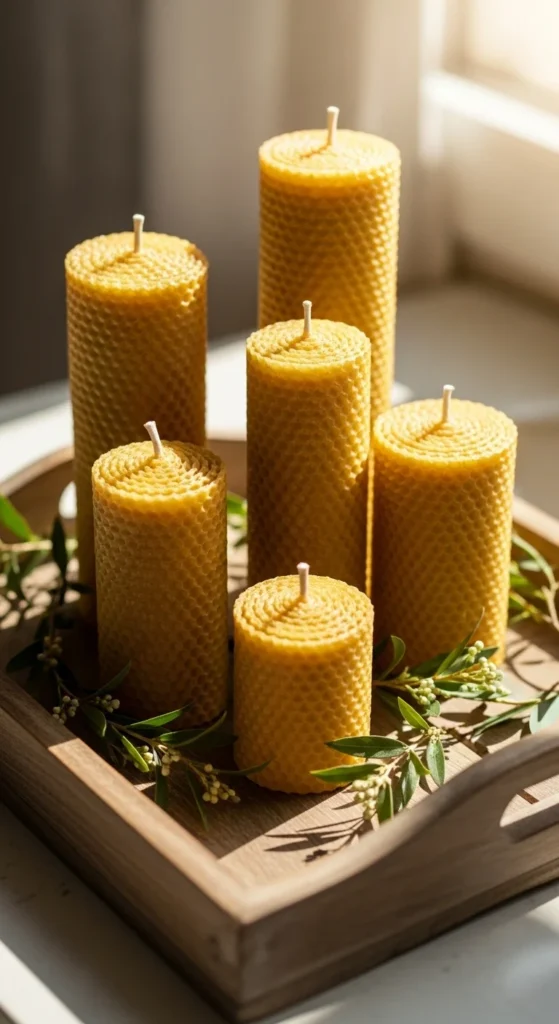
Beeswax candles burn cleanly and last longer. Their warm tone suits spring evenings without overpowering the space.
Use simple holders made from glass or thrifted ceramics. Group candles at different heights for interest.
This lighting option feels calm and reusable throughout the year.
9. Fabric Napkins as Table Decor
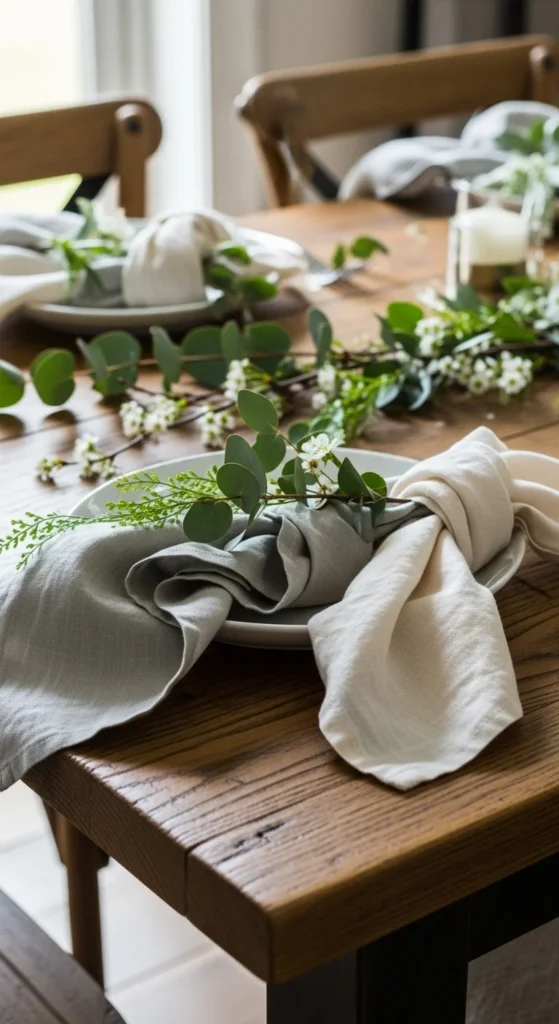
Fabric napkins add softness to tables while replacing disposable options. Linen or cotton styles wash easily and age well.
Mix neutral shades rather than matching sets. This keeps the look relaxed and practical.
Use napkins beyond meals. They work as tray liners or shelf accents during spring gatherings.
10. Vintage Baskets for Storage
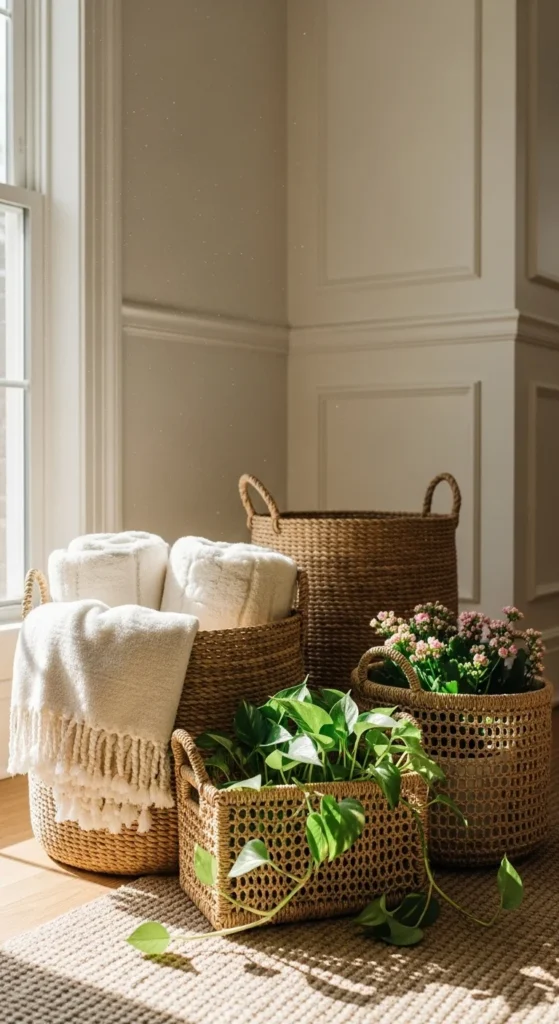
Woven baskets store items while adding texture. Look for sturdy secondhand options with natural fibers.
Use baskets for blankets, magazines, or planters. Their flexibility allows easy rearranging as seasons change.
This approach reduces clutter while keeping decor natural and warm.
11. Pressed Flower Wall Art
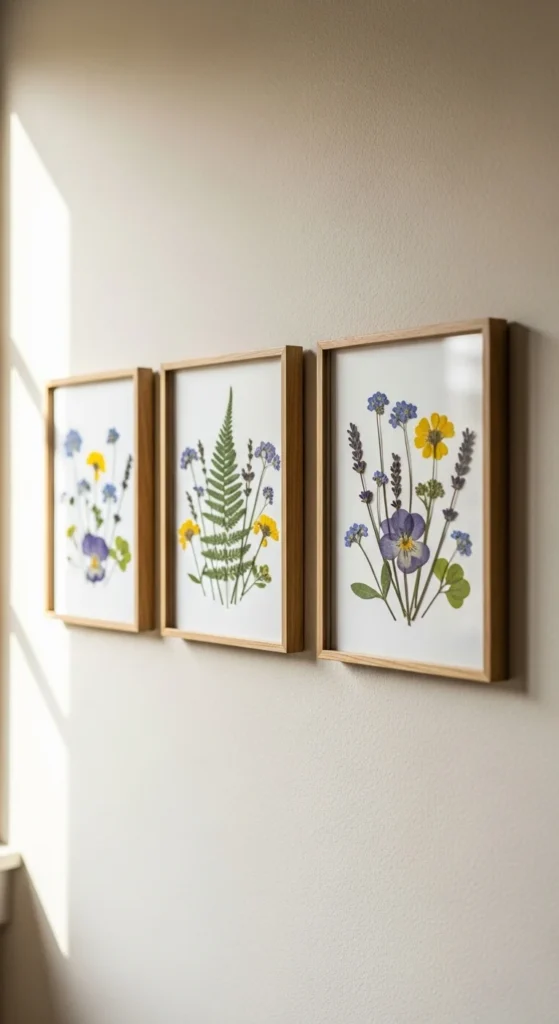
Pressed flowers create wall art with minimal supplies. Use flowers from walks or gardens. Press them between books for several weeks.
Frame them using simple frames or recycled glass. Keep layouts loose and balanced.
This project feels personal and suits spring without relying on store-bought prints.
12. Clay Bowls for Entry Tables
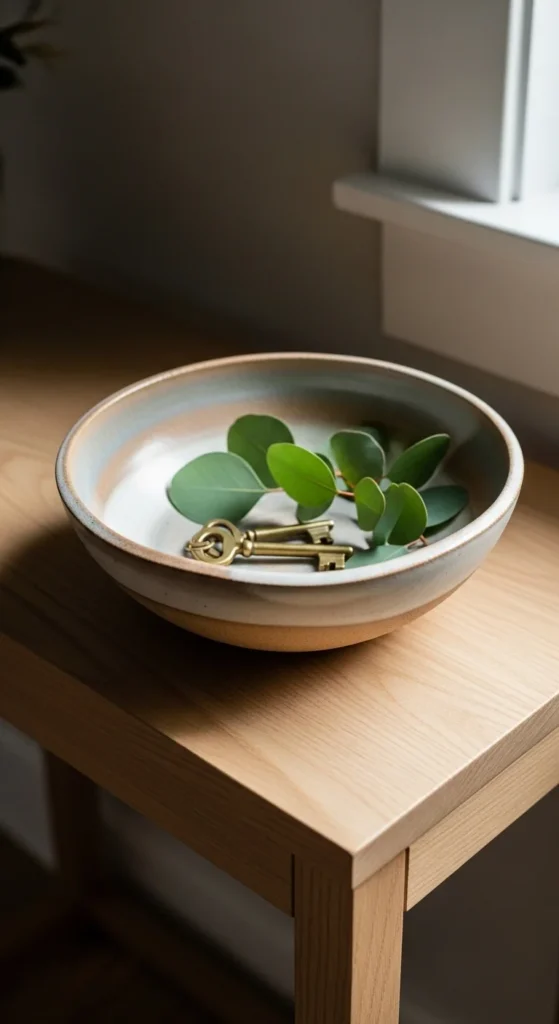
Clay bowls add handmade texture. Many local markets offer affordable options.
Use them for keys or small items. Their earthy finish pairs well with spring decor.
These pieces age gracefully and stay useful year-round.
13. Sheer Cotton Curtains
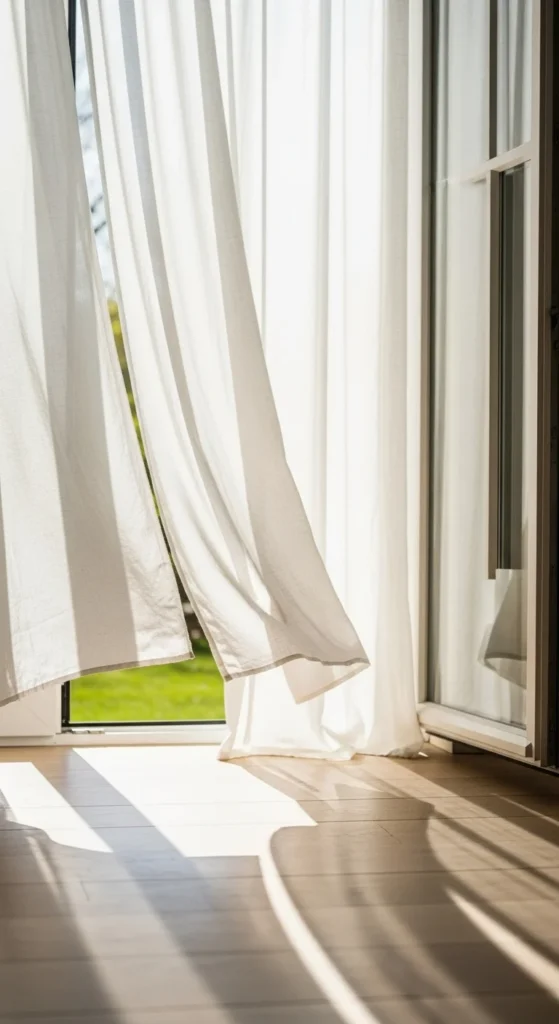
Light curtains allow daylight while softening windows. Cotton sheers wash easily and suit warmer months.
Use neutral shades to match existing decor. Hang curtains higher to create a sense of height.
This simple change refreshes rooms without replacing hardware.
14. Wooden Trays from Thrift Finds
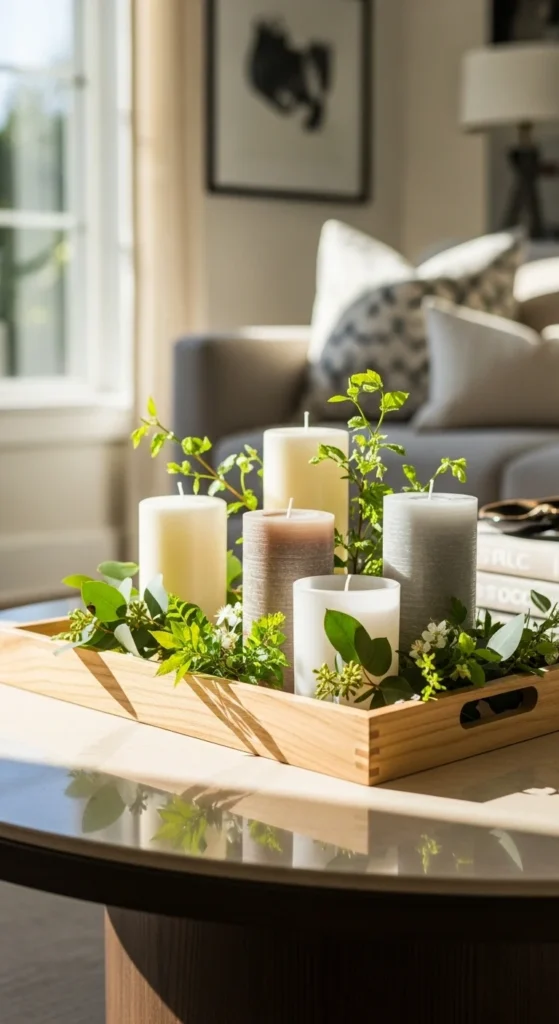
Wooden trays organize surfaces while adding warmth. Thrifted trays often need only light sanding.
Use them on coffee tables or dressers. Group items loosely to avoid clutter.
This styling tool works across seasons and rooms.
15. Natural Stone Coasters
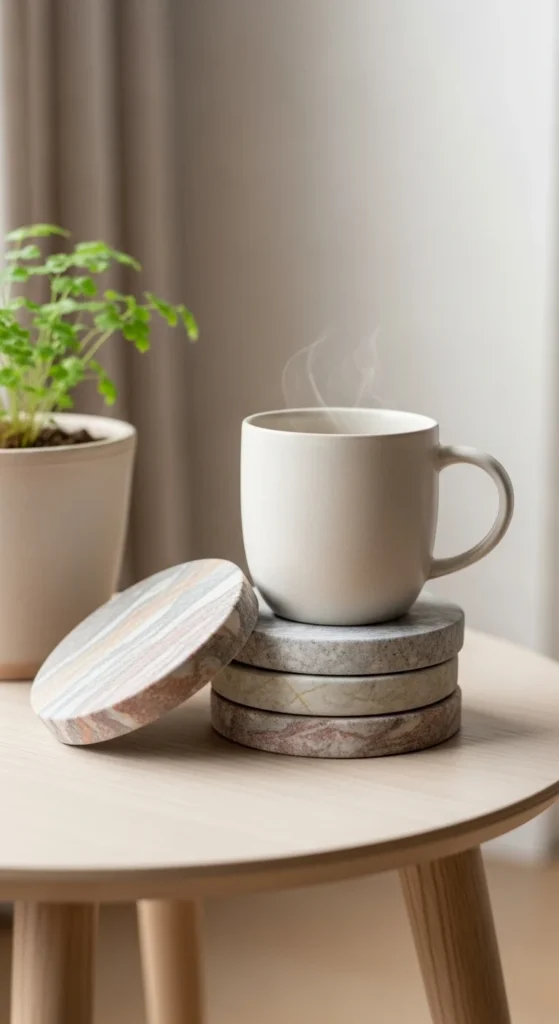
Stone coasters protect surfaces and add subtle texture. Look for marble or slate pieces secondhand.
Keep shapes simple. Let natural variations show.
They pair well with wood and fabric decor elements.
16. Upcycled Bottle Lamps
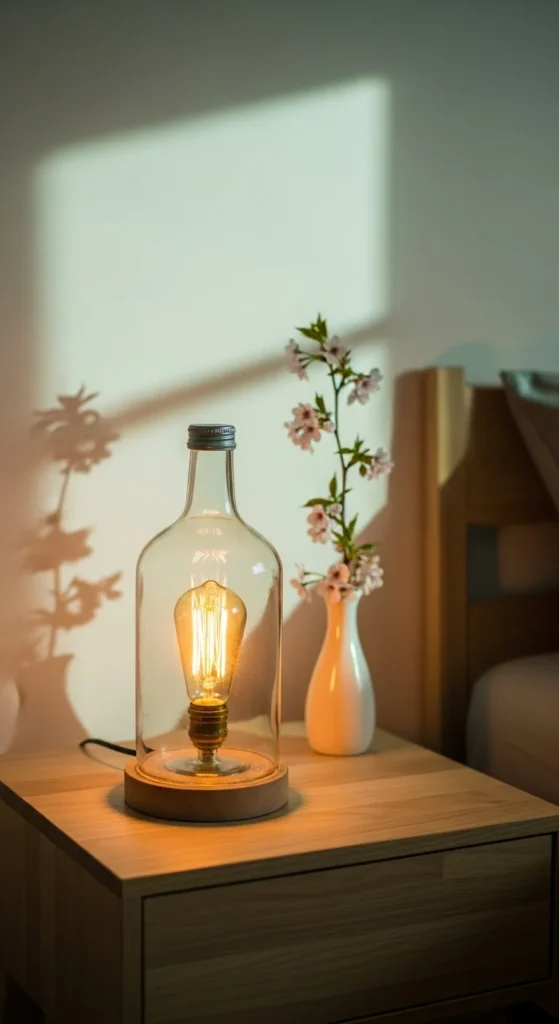
Glass bottles can become lamps with simple kits. Clear or tinted glass suits spring styling.
Choose warm bulbs for soft light. Keep shades neutral.
This project turns unused items into functional decor.
17. Wool or Cotton Throws
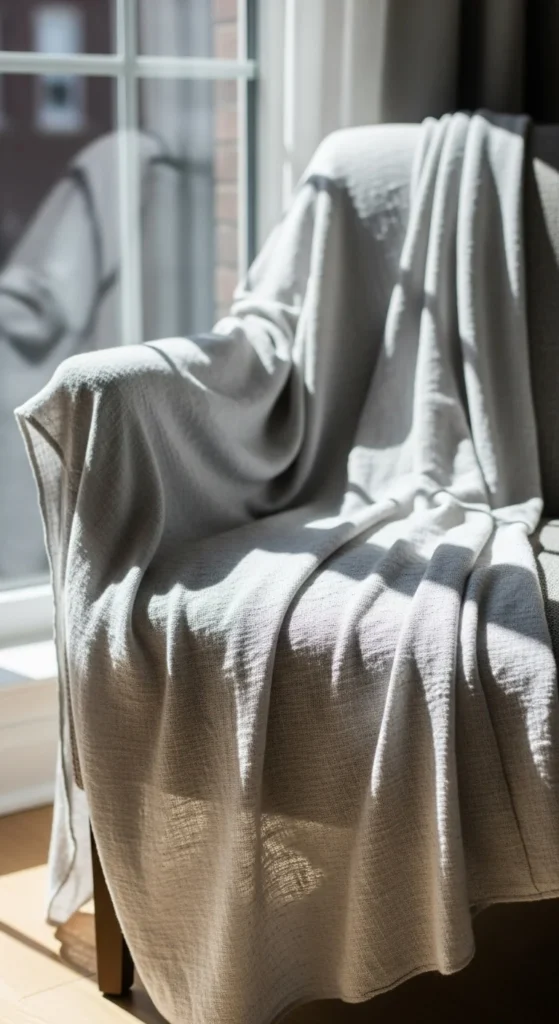
Lightweight throws add comfort during cooler evenings. Cotton works well for spring layering.
Fold them neatly or drape casually. Neutral colors keep flexibility.
Throws move easily between rooms and seasons.
18. Terracotta Pot Groupings
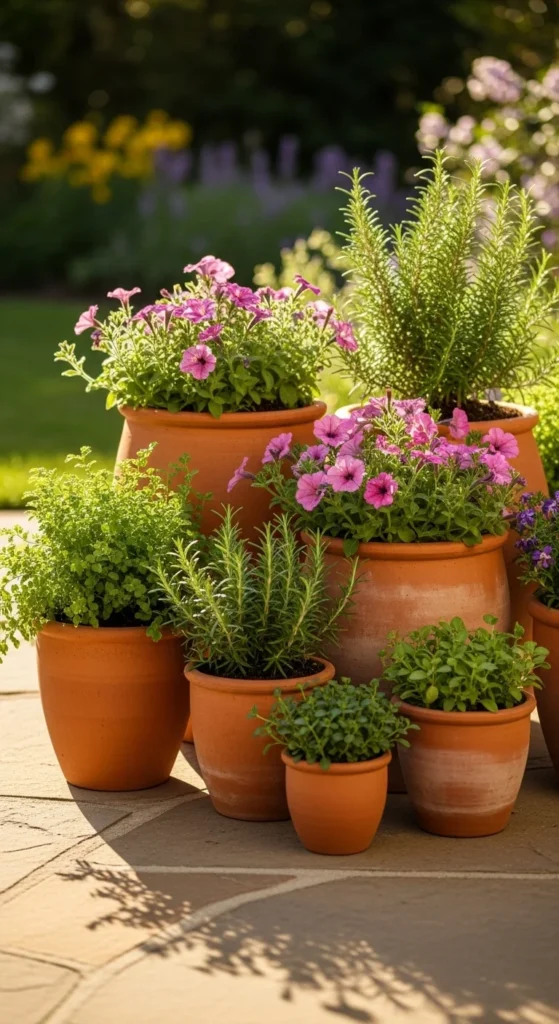
Terracotta pots breathe well and develop character. Group different sizes for interest.
Use them indoors or outdoors. Keep styling simple.
This idea stays useful beyond spring.
19. Handmade Paper Garlands
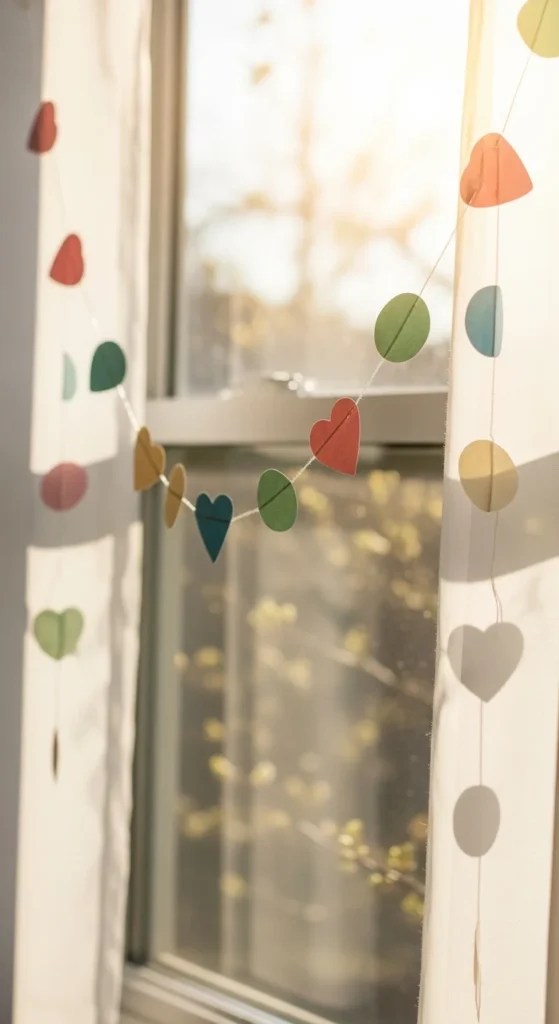
Paper garlands made from recycled paper add subtle decor. Use neutral tones or botanical shapes.
Hang them lightly across shelves or windows.
They store flat and reuse easily.
20. Wooden Bead Decor
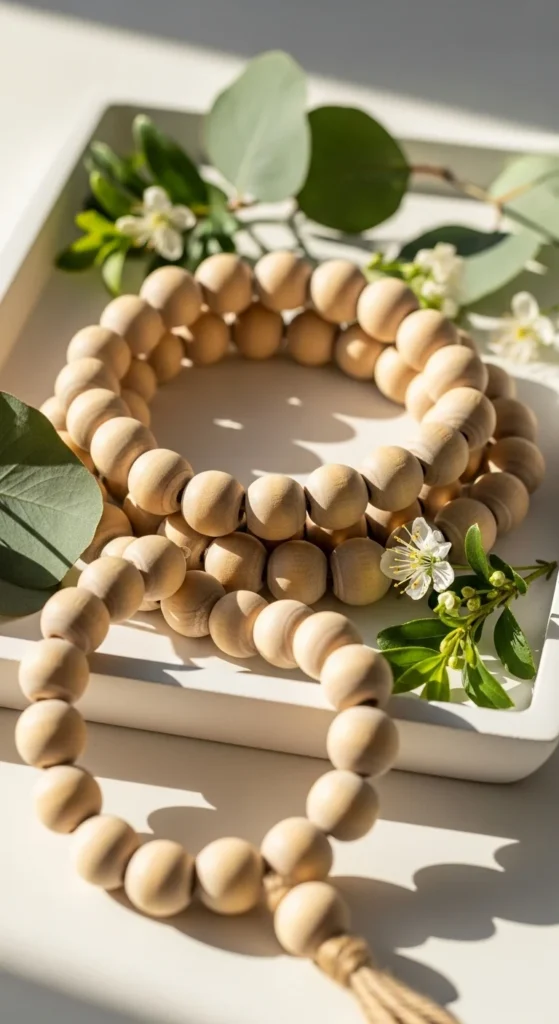
Wooden beads add texture without shine. Look for unfinished styles.
Drape them over books or bowls.
They blend well with spring neutrals.
21. Botanical Prints from Old Books
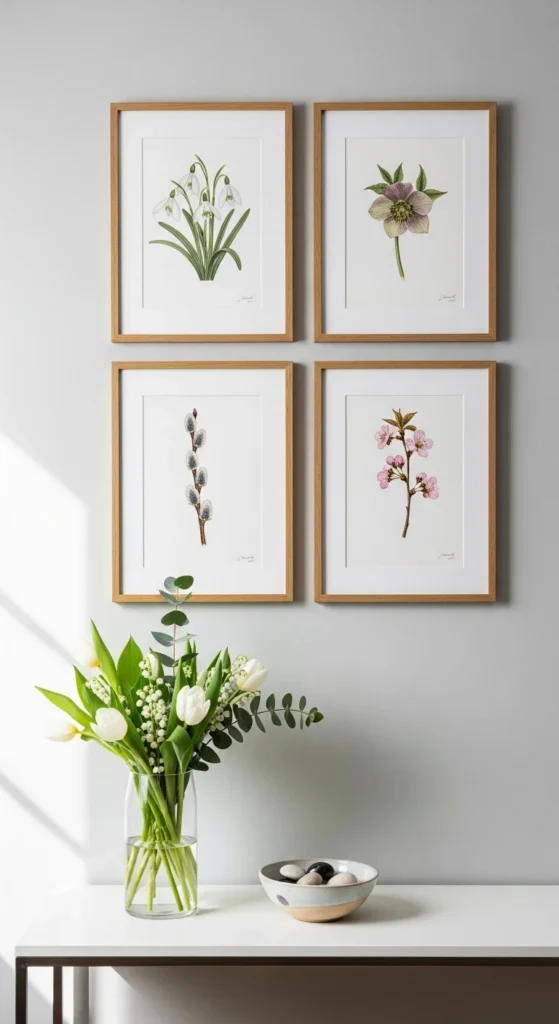
Old books often include plant illustrations. Frame pages carefully.
Use simple frames to keep focus on artwork.
This idea brings nature indoors without buying new prints.
22. Reusable Fabric Banners
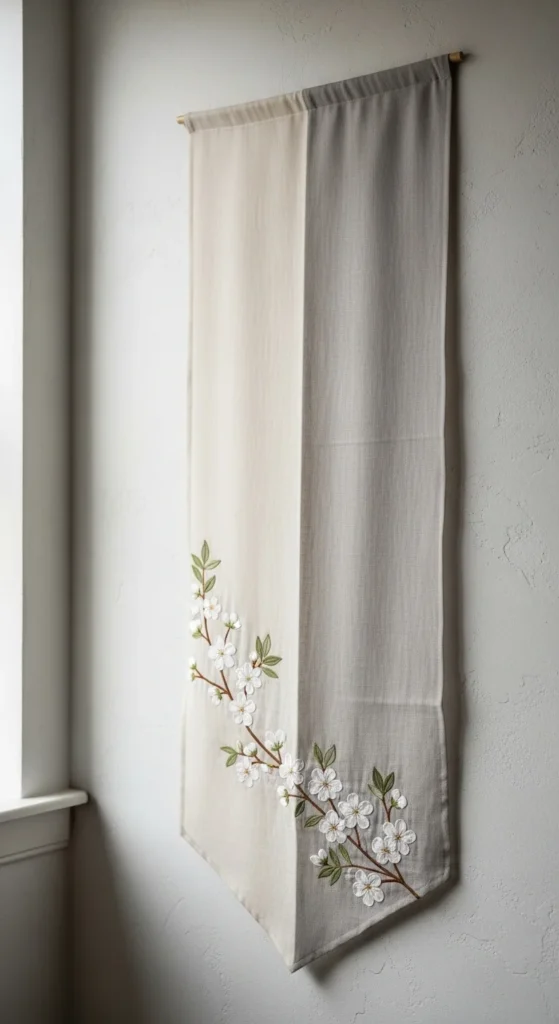
Fabric banners add interest without paint or nails. Use scrap fabric or old linens.
Keep designs simple. Neutral tones suit spring.
They fold away easily when seasons change.
23. Wooden Crates as Shelving
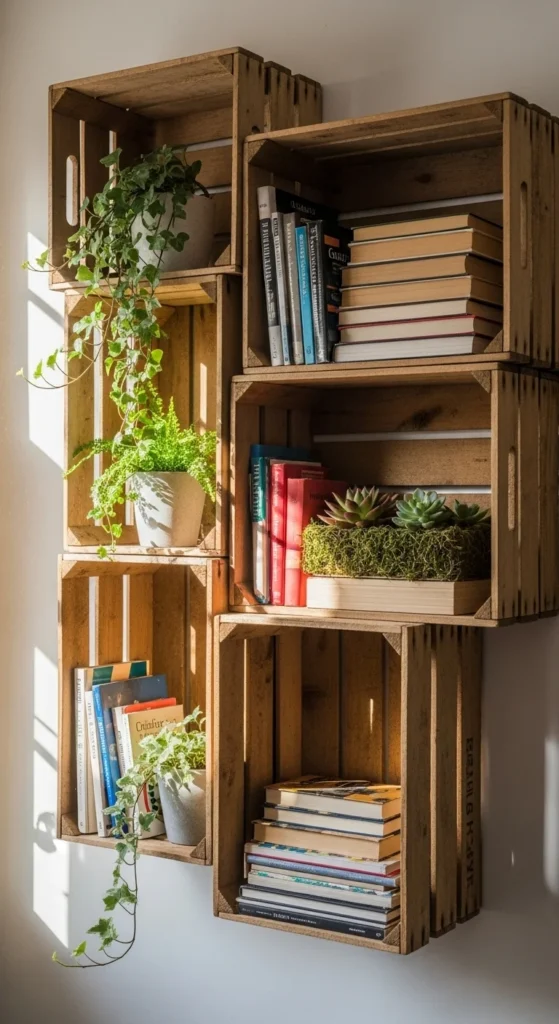
Wooden crates work as wall storage. Sand edges for safety.
Mount securely or stack on floors.
This option adds storage with minimal cost.
24. Dried Grass Arrangements
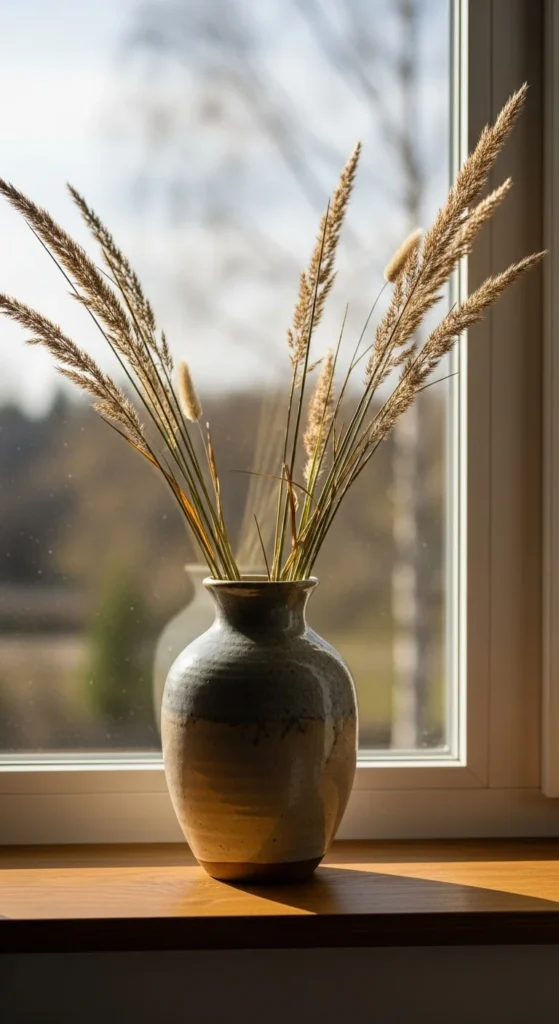
Dried grasses last longer than fresh flowers. Use wheat or pampas alternatives.
Keep arrangements loose.
They suit neutral spring palettes.
25. Reused Frames for Mirrors
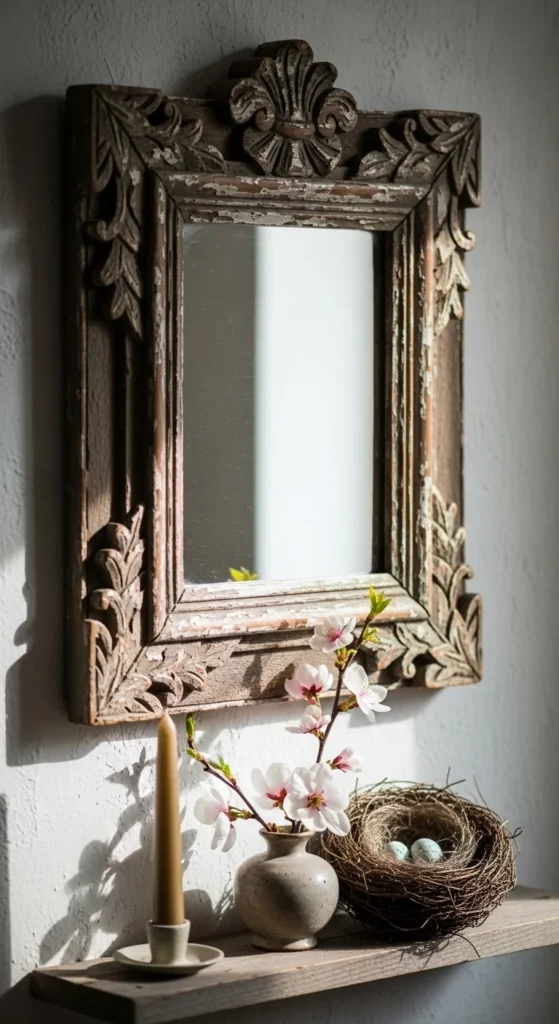
Old frames can hold mirrors. Replace glass with mirror panels.
Use them to reflect light in small rooms.
This refresh adds function without new frames.
26. Stone or Wood Bookends
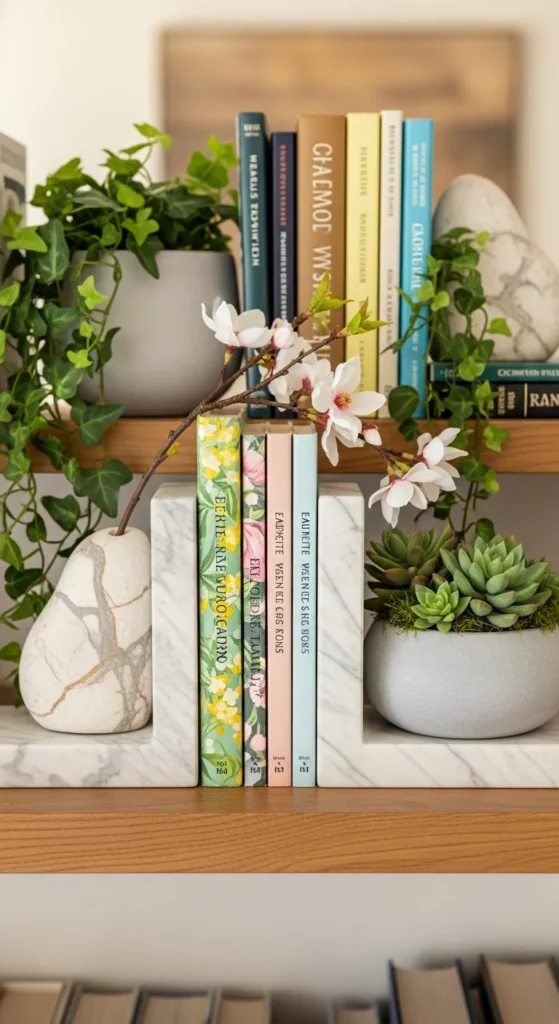
Natural bookends add weight and texture. Look for simple shapes.
They keep shelves tidy while styling books.
This decor piece stays useful all year.
27. Minimal Greenery Cuttings
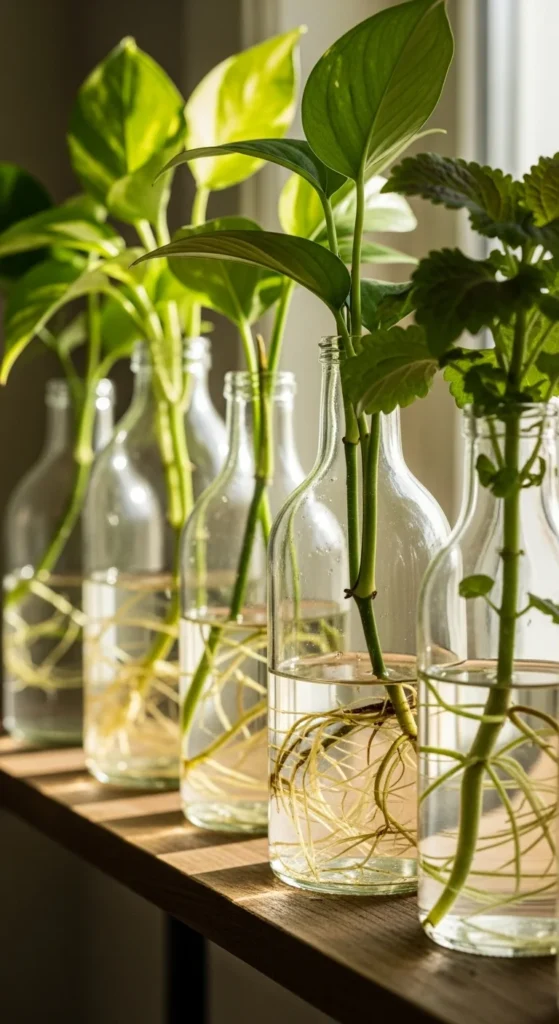
Plant cuttings grow easily in water. Use clear bottles.
Change water regularly.
This approach adds greenery without buying new plants.
Conclusion
Eco-friendly spring decor works best when choices stay simple and reusable. Small swaps, secondhand finds, and natural materials shape spaces that feel calm and styled without excess spending. These ideas show how everyday items and thoughtful projects can refresh a home for spring while staying practical, affordable, and long-lasting.

Leave a Reply