

Working from home sounds simple, but the space you work in can quietly shape your focus, mood, and productivity. A home office that supports success doesn’t have to be large or expensive. It just has to work with you, not against you. Thoughtful layout, clear surfaces, and intentional decor can make daily work feel easier and more structured.
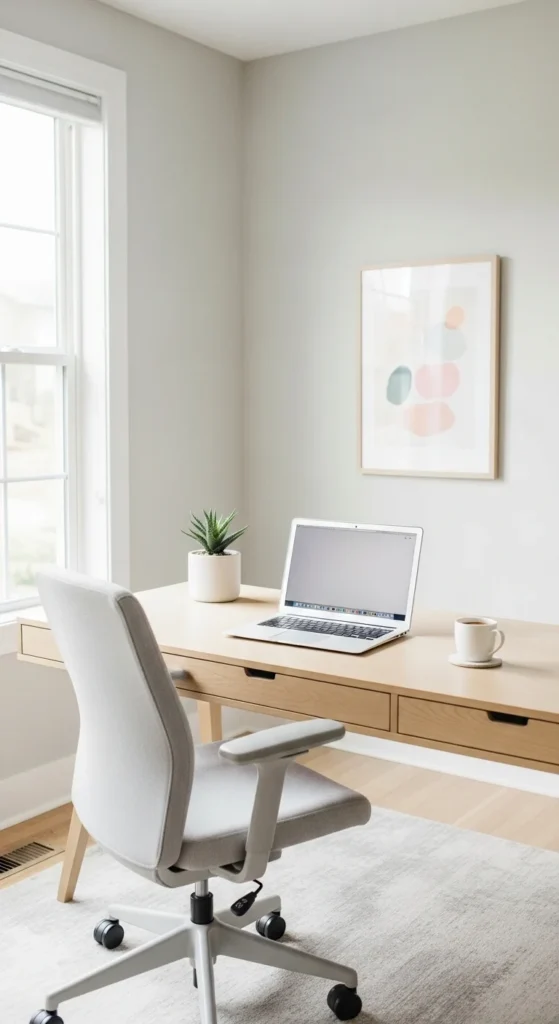
This guide breaks down realistic ways to decorate a home office that supports work-from-home routines while staying comfortable and visually calm.
Start With a Dedicated Work Zone
The first step to work-from-home success is separation. Even in a small home, your work area should feel different from the rest of the space.
Helpful ideas:
- Place the desk facing a wall or window
- Avoid working from the couch or bed
- Keep work items only in this zone
When your brain associates one area with work, focus comes more naturally. Clear boundaries matter more than room size.
Choose a Desk That Fits the Task
A desk that’s too small leads to clutter. One that’s too large wastes space.
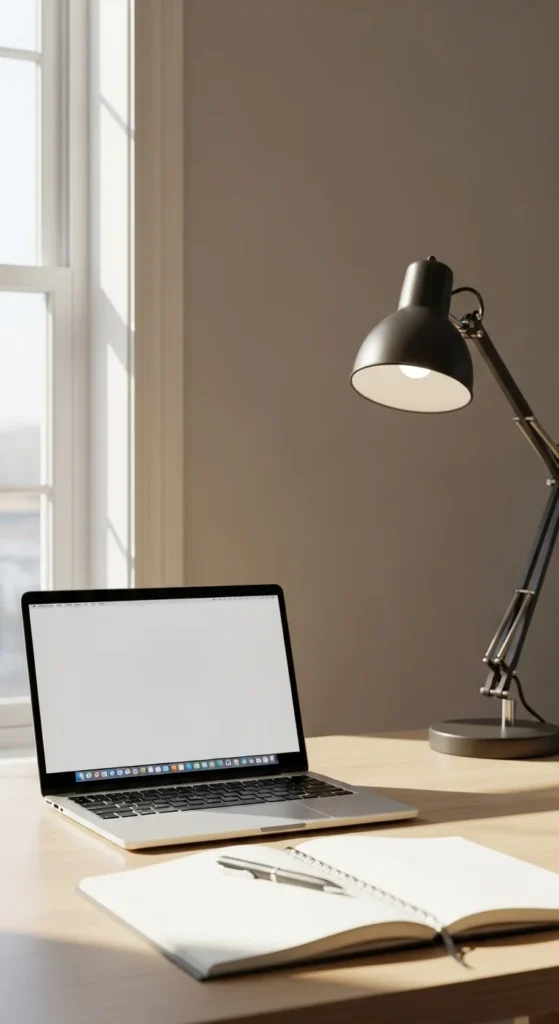
Look for:
- Enough space for your main work tools
- A clean surface with straight edges
- Storage nearby rather than on top
If your desk fills up quickly, add a drawer unit underneath instead of stacking items on top.
Keep the Desk Surface Clear and Functional
Your desk is the control center. The fewer distractions on it, the better your workflow.
Limit desk items to:
- One lamp
- One organizer
- One personal item
Everything else should live out of sight. If it doesn’t help you work today, move it elsewhere. A clear desk supports clearer thinking.
Use Storage That Keeps Visual Calm
Work-from-home spaces often collect papers, tech, and supplies. Storage should reduce visual noise, not add to it.
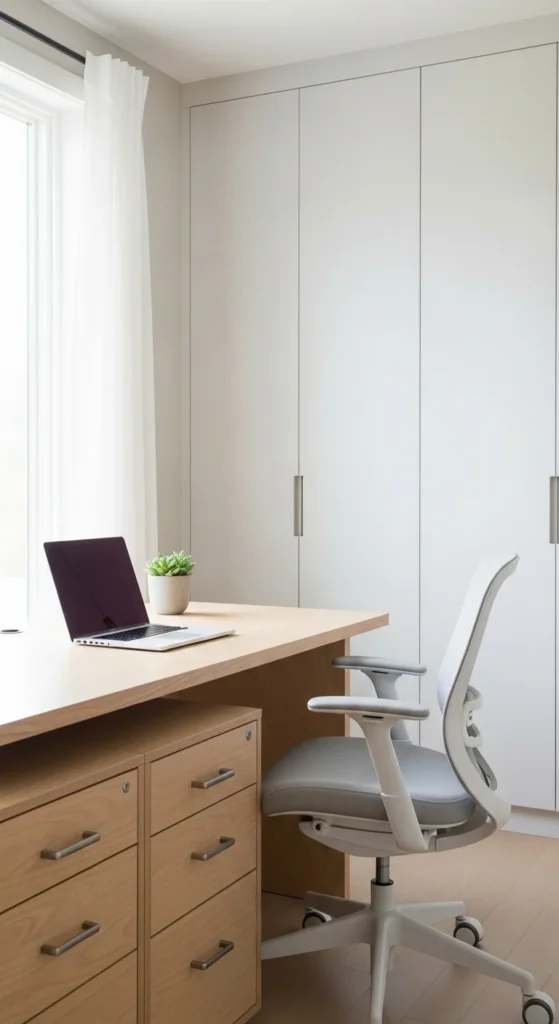
Smart storage options:
- Cabinets with doors
- Drawer units instead of open bins
- Matching boxes for shelves
When items are hidden, the room feels calmer even on busy days.
Position the Desk Near Natural Light
Natural light supports alertness and comfort during long work hours.
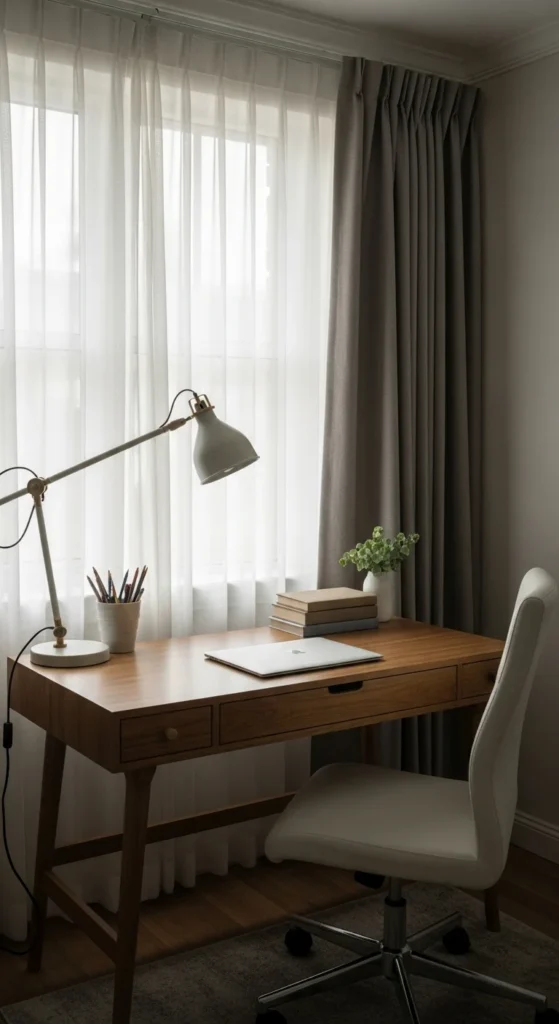
If possible:
- Place the desk near a window
- Use sheer curtains instead of heavy ones
- Keep window sills mostly clear
Avoid placing screens directly in harsh glare. Light should feel soft and steady throughout the day.
Stick to a Calm Color Palette
Color influences how focused or distracted you feel. Loud colors can feel exciting at first but tiring over time.
Good color choices:
- Soft white
- Light beige
- Pale gray
- Light wood tones
Use one main neutral and one supporting tone. This keeps the space grounded and easy to work in for long hours.
Add Comfort Without Overcrowding
Comfort supports productivity, but too many soft items can make a space feel cluttered.
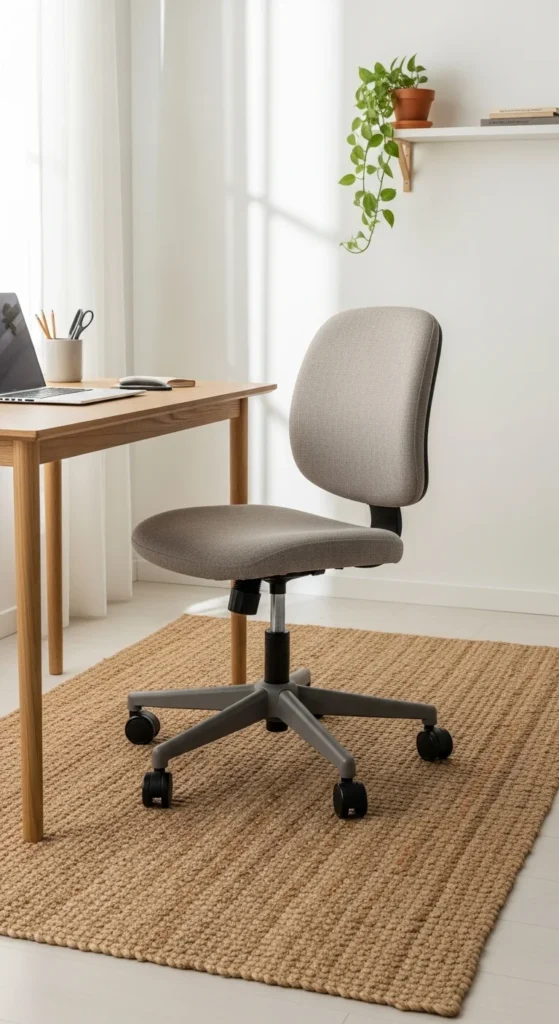
Simple comfort upgrades:
- A supportive chair
- A thin rug under the desk
- A small cushion for lower back support
Choose comfort pieces that stay visually quiet.
Keep Wall Decor Minimal and Purposeful
Wall decor should support motivation, not distract from tasks.
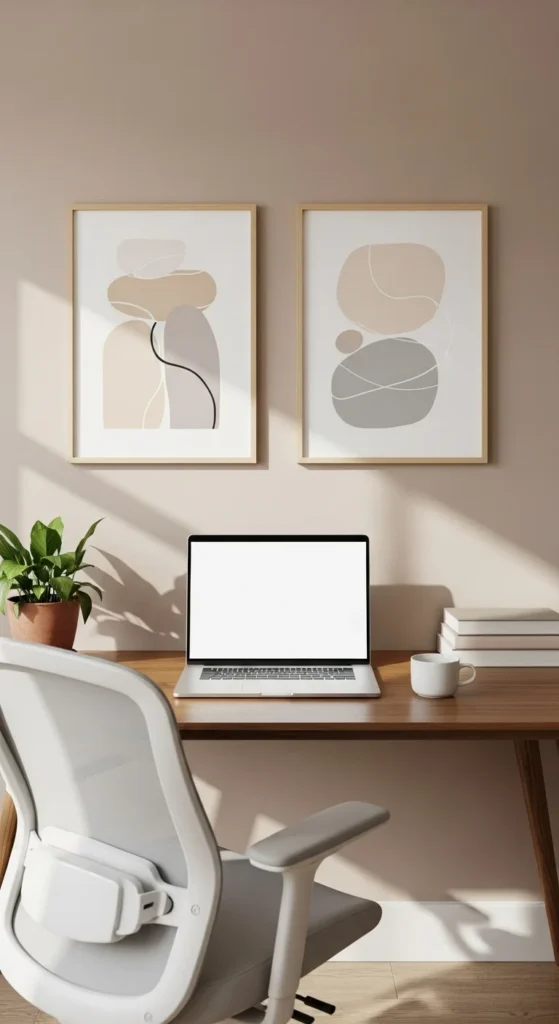
Try:
- One large print
- Two matching frames
- A pinboard with only current items
Leave some walls empty. Open wall space helps the room feel balanced.
Manage Cables and Tech Accessories
Visible cords and extra tech can make even a tidy office feel chaotic.
Quick fixes:
- Cable clips under the desk
- A cord box for power strips
- Wireless accessories when possible
When tech stays visually quiet, the whole room feels more organized.
Add One Plant for Balance
Plants soften workspaces and make them feel human, but too many can distract.
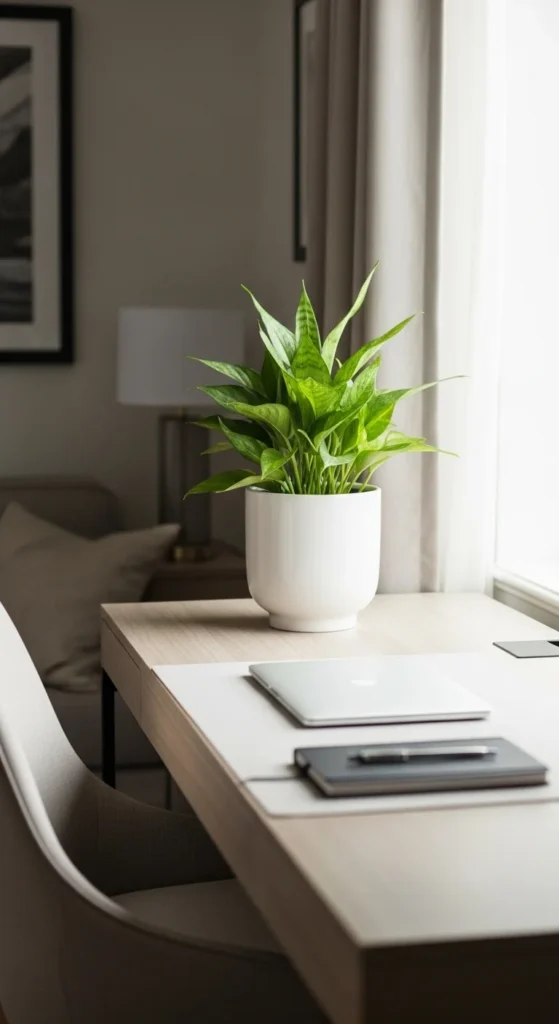
Choose:
- One medium floor plant
- Or one small desk plant
Let it stand alone rather than surrounding it with other decor.
Leave Space for Flexibility
A successful work-from-home office isn’t packed. It allows change.
Leave:
- Empty shelf space
- Open desk corners
- Clear floor areas
This gives room to adjust your setup as work routines change.
Final Takeaway
Decorating a home office for work-from-home success is about clarity, comfort, and intention. A clear desk, supportive storage, soft light, and restrained decor help create a space that supports focus day after day.
Start by removing what doesn’t serve your work. Add only what improves comfort or function. Over time, your office will feel easier to work in—and your workdays will feel more structured because of it.
Save this guide and return to it whenever your workspace starts to feel off balance.

Leave a Reply