

Boho style is warm, soulful, and effortlessly charming—but it’s also easy to get carried away. One too many patterns or too much macramé, and suddenly the room feels chaotic instead of cozy. The key is balance. You can enjoy all the breezy, eclectic charm of boho décor without overwhelming your space—just by choosing the right elements in the right amounts.
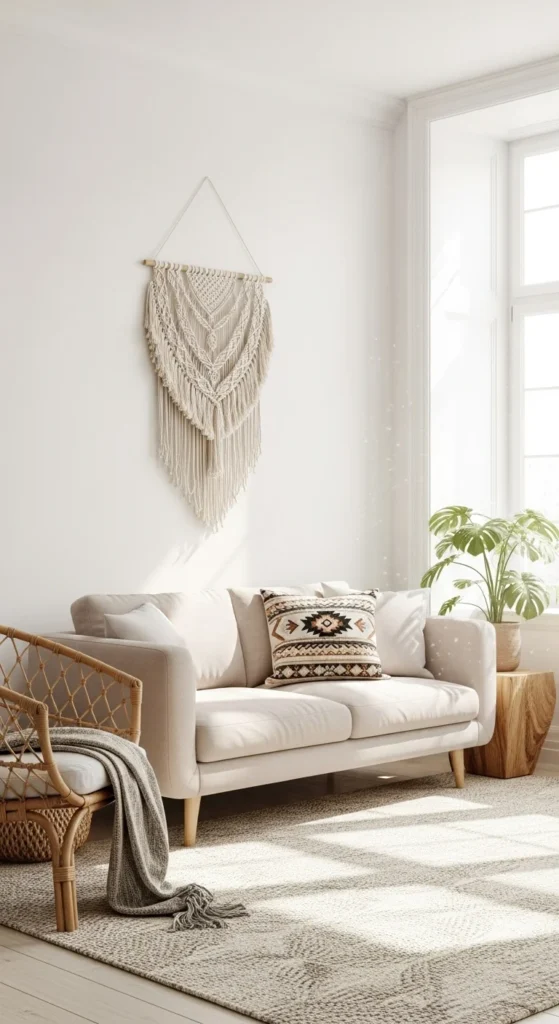
Let’s walk through how to sprinkle boho touches throughout your home in a way that feels intentional, calming, and undeniably stylish.
Start With a Neutral Base
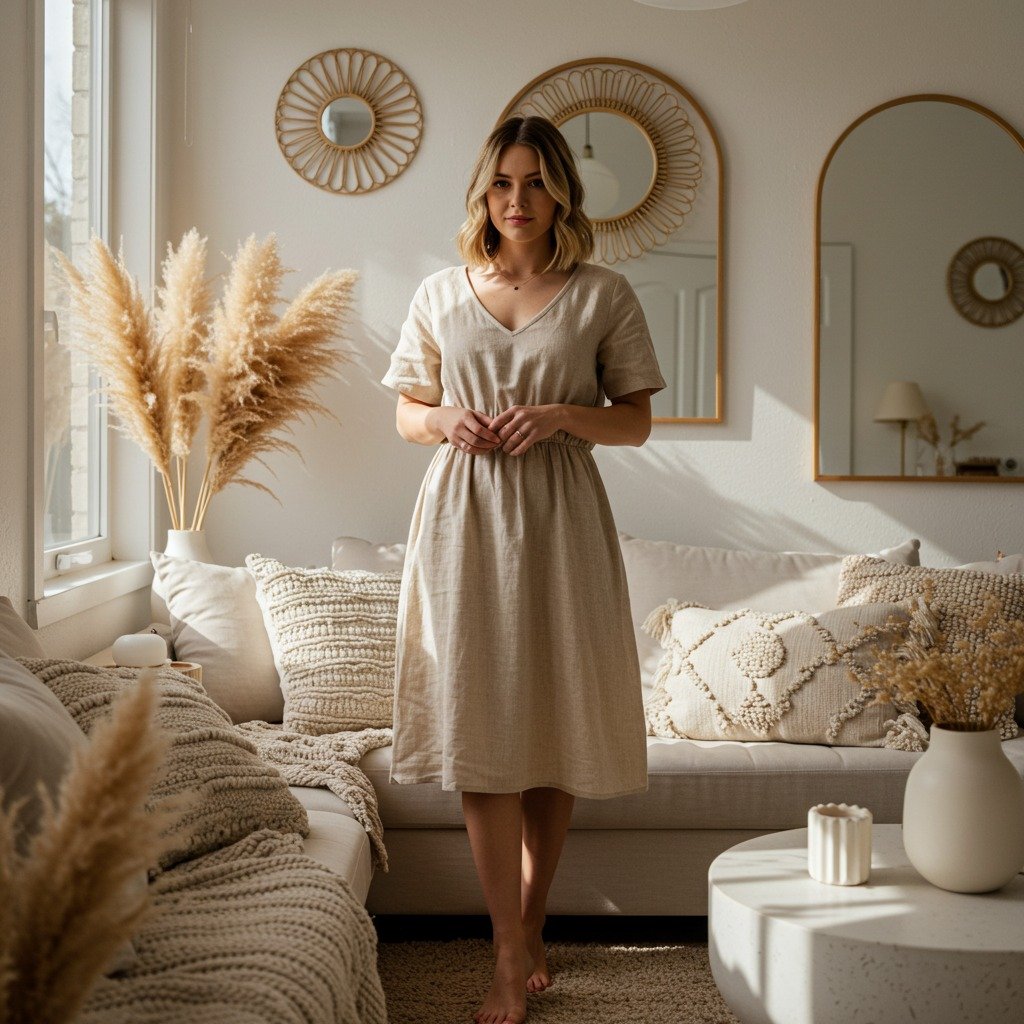
Boho design is known for pattern, texture, and color—but the foundation of a balanced boho room is surprisingly neutral. Starting with calm, grounded tones helps ensure your boho accents look curated instead of cluttered.
Stick with accessible shades like:
- Soft whites
- Warm beige
- Sand tones
- Light tan
- Muted grays
These neutral backdrops help your décor shine and prevent visual overload. A beige or off-white wall, a simple sofa, or neutral curtains give you room to play with bolder boho details later.
Mix Textures Without Adding Too Much Bulk
Texture is a huge part of the boho look—but you don’t need to fill the entire room to achieve it. A few thoughtfully chosen textures can be more effective than piling on layers.
Try easy swaps like:
- A rattan or cane chair
- A knitted throw blanket
- A jute rug
- A wicker basket
- One or two macramé pieces
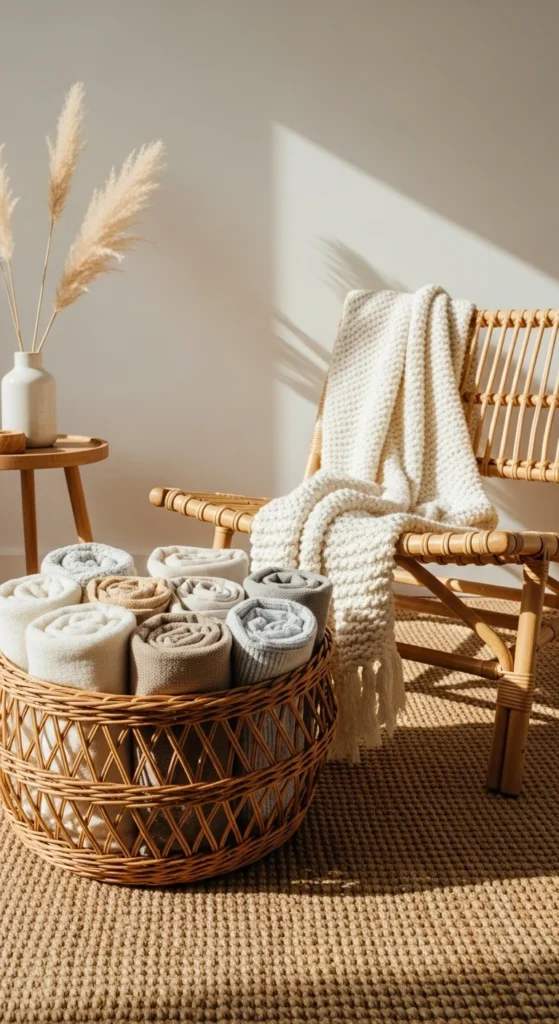
The trick is to keep texture varied but minimal. Think light and airy—not heavy or excessive.
Choose a Few Boho Patterns, Not All of Them
Patterns are fun, but too many can overwhelm the space. The boho style draws from many global influences—tribal motifs, Moroccan prints, kilim designs, and earthy geometrics. Instead of using all of them, pick one or two patterns to repeat consistently.
A good approach:
- One patterned pillow + one patterned rug
- A single patterned wall art piece
- Two cushions with the same motif
Repeat your chosen pattern in small ways so the room feels cohesive rather than mismatched.
Bring in Plants for a Natural, Calm Feel
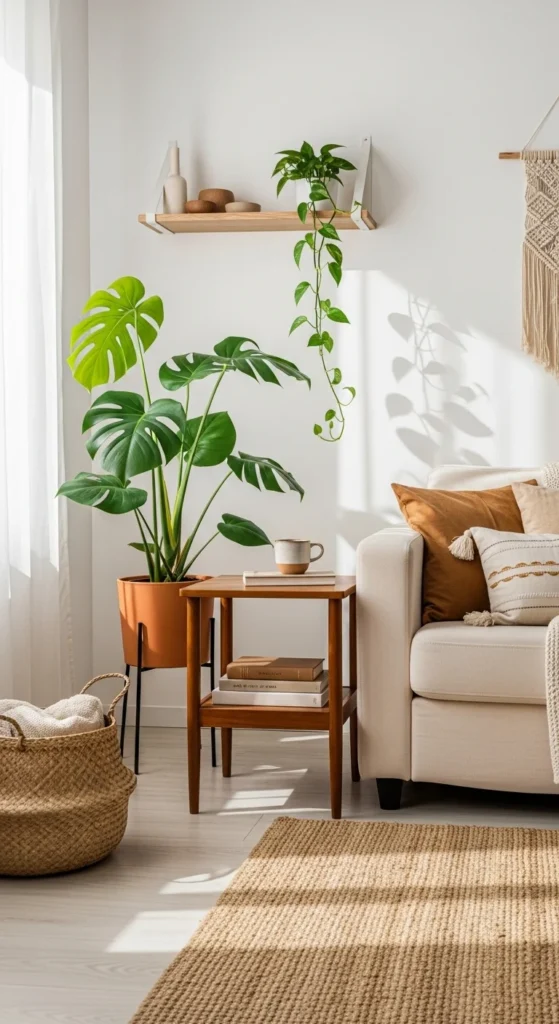
Plants are one of the easiest ways to add boho charm without clutter. Even one or two plants can instantly warm up a room.
Great plant choices for a boho vibe include:
- Snake plant
- Pothos
- Monstera
- Ferns
- ZZ plant
- Fiddle leaf fig
Try mixing plant sizes—one tall floor plant and one tabletop plant is enough to make a space feel fresh without overwhelming it.
Add Warm Lighting That Feels Relaxed and Inviting
Boho design thrives on soft, golden lighting. Instead of harsh overhead lights, use warm, diffused light sources that make the space feel cozy and mellow.
Some great options:
- Woven pendant lights
- Table lamps with linen shades
- String lights (used sparingly)
- Candles on a tray
- Lantern-style lights
Warm lighting adds the boho mood without adding visual clutter. Plus, it pairs beautifully with organic materials like wood and rattan.
Use Natural Materials to Keep the Look Balanced
A simple way to keep boho décor from feeling too loud is by grounding it with natural materials. Items made from wood, bamboo, rattan, clay, jute, and cotton all bring earthy energy into the room.
A few ideas:
- A wooden coffee table
- A clay vase
- Jute placemats
- Bamboo frames
- Linen throw pillows
These natural pieces soften the bolder patterns and textures, creating a beautifully balanced look.
Add Boho Accessories, But Keep Them Minimal
This is where most people accidentally go overboard. Instead of loading shelves with trinkets, choose a few key accessories that carry boho charm.
Examples:
- A small ceramic vase
- A textured tray
- One woven basket
- A simple wall hanging
- A single handcrafted sculpture
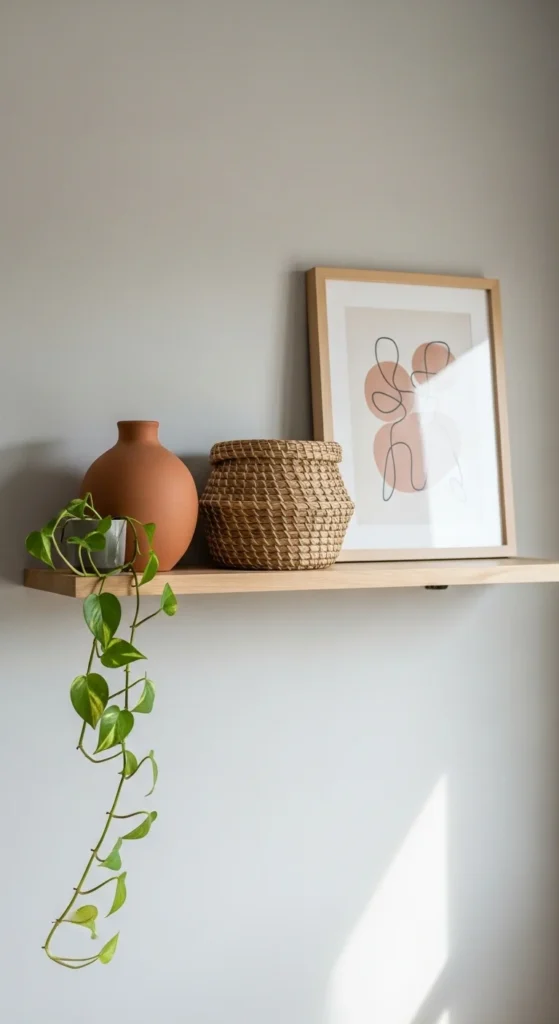
Think of accessories like jewelry—they should enhance your space, not crowd it.
Try Layering—But Choose Just Two or Three Layers
Layering is a signature boho technique, but you don’t need ten pillows or three rugs. Keep layering simple and limited.
For example:
- One throw blanket + two throw pillows
- Two rugs layered at the edges
- A wall hanging overlapping a single frame
Subtle layering creates visual interest without overwhelming the eye.
Pick a Color Palette and Stay Consistent
Boho design often uses earthy, grounded colors. To avoid going overboard, stick to a palette of 3–4 colors max.
Great balanced boho palettes include:
- Terracotta + cream + olive green
- Rust + beige + charcoal
- Mustard + tan + white
- Sage + natural wood + off-white
Repeating these colors across pillows, rugs, artwork, and accessories creates a calm, cohesive vibe instead of a chaotic one.
Final Takeaway
Adding boho touches doesn’t mean filling your space with everything bohemian—it’s about weaving in warmth, texture, and personality in a thoughtful, balanced way. By choosing the right elements and keeping your look simple and curated, you can enjoy cozy, relaxed boho style without ever going overboard.
Leave a Reply