

A well-chosen rug does more than just cover the floor—it can define a space, add warmth, and tie every element in the room into one cohesive look. From soft textures underfoot to bold patterns that spark interest, rugs have the power to completely transform a room’s style and comfort.
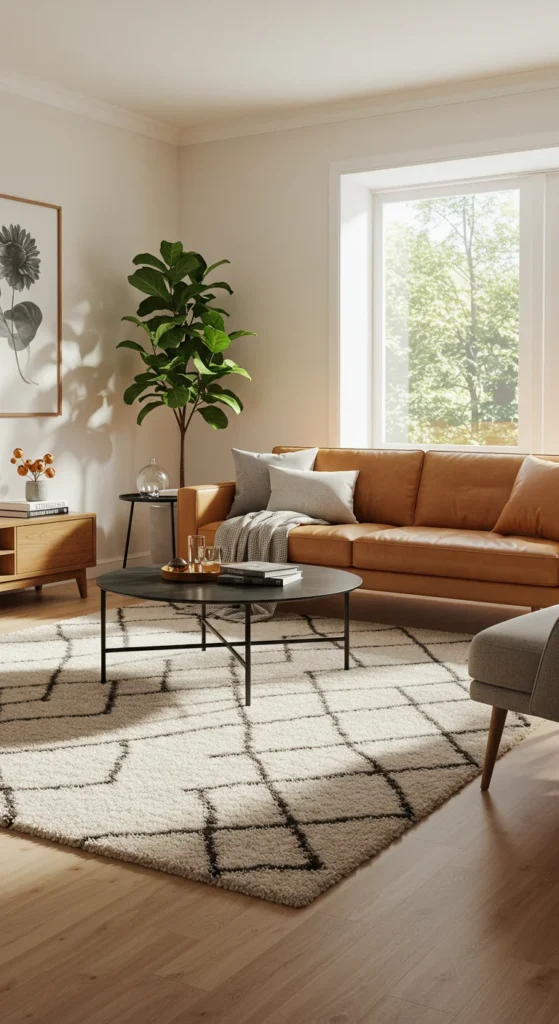
Here’s how to choose and style rugs so they become the foundation that brings your entire space together.
Pick the Right Size for the Space
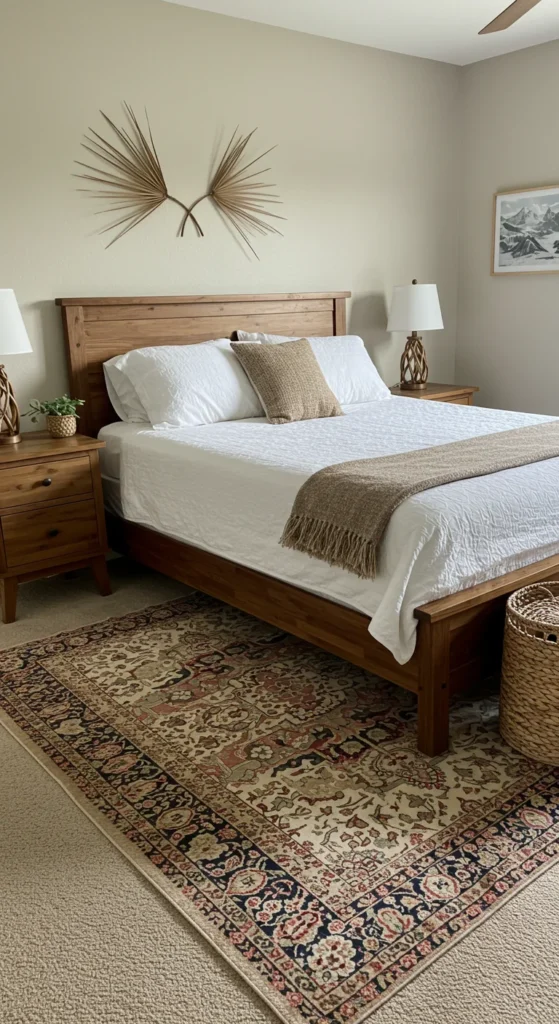
Size matters when it comes to rugs.
- In living rooms, aim for a rug large enough so at least the front legs of sofas and chairs rest on it.
- In bedrooms, let the rug extend at least 18–24 inches beyond the bed for balanced proportions.
- For dining areas, ensure chairs stay on the rug even when pulled out.
A properly sized rug anchors furniture and prevents the space from feeling disjointed.
Choose a Color Palette That Complements
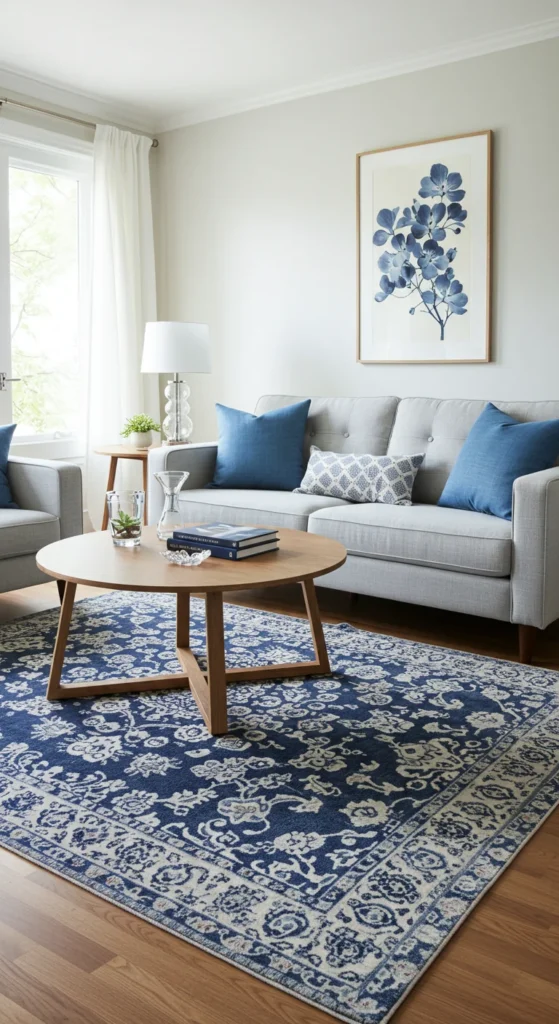
The right color or pattern can tie your whole décor together.
- Match the rug to existing tones in your pillows, curtains, or artwork.
- Go bold with a patterned rug to liven up neutral furniture.
- Keep it simple with solid or muted rugs if you already have busy décor.
Coordinating colors create a sense of unity without overwhelming the room.
Layer Rugs for Texture and Depth
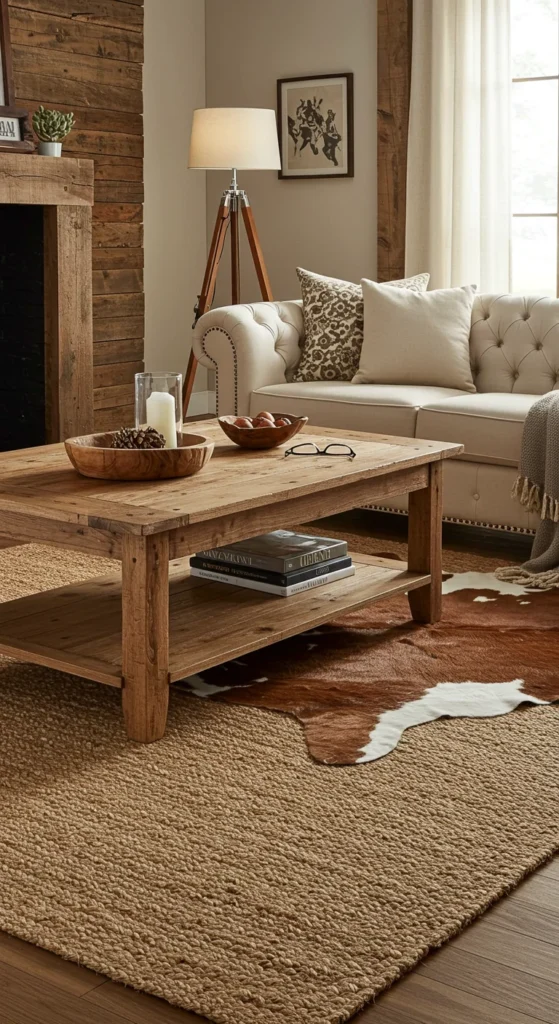
Layering adds character and comfort.
- Start with a larger neutral rug as a base—like jute, sisal, or flatweave.
- Add a smaller patterned or plush rug on top to introduce color and softness.
- Experiment with shapes by layering a round rug over a rectangular one for contrast.
This approach works well in open layouts or to highlight specific zones like reading corners.
Use Rugs to Define Different Zones
Open-plan spaces can feel scattered without clear zones.
- Position rugs under furniture groupings to define areas such as living, dining, or office spaces.
- Choose rugs with similar tones to create harmony or contrasting ones for separation.
- Make sure each rug is proportionate to the area it defines so the space doesn’t feel crowded.
Rugs act as invisible dividers while maintaining a cohesive flow throughout the room.
Play with Patterns and Shapes
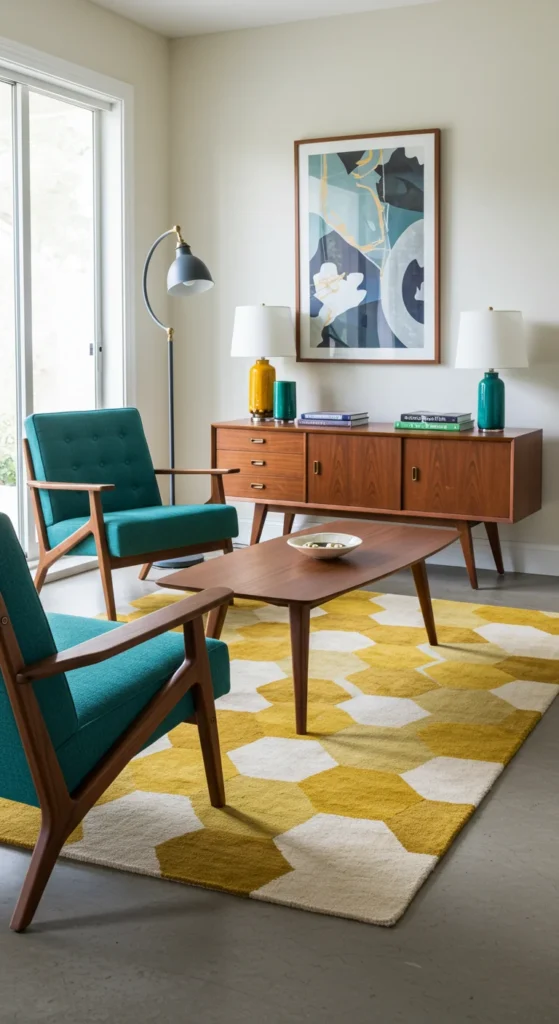
Patterns and shapes bring personality to your floor.
- Use geometric designs for a modern, lively vibe.
- Stick to subtle stripes or solids for a minimalist style.
- Round or oval rugs soften angular furniture and create an inviting focal point.
The key is to balance patterns—pair bold rugs with simpler furniture and vice versa.
Add Comfort with Plush and High-Pile Rugs
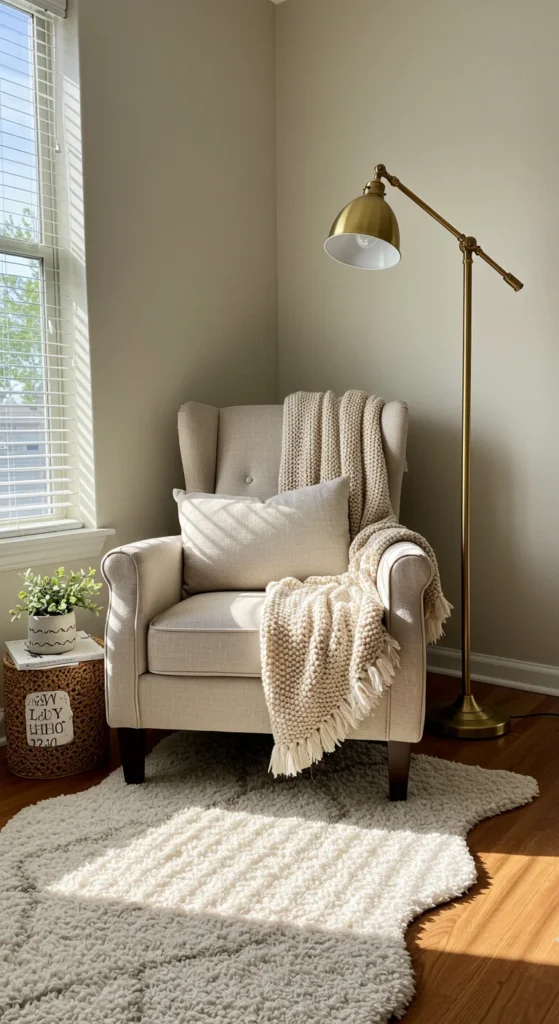
Comfort plays a big role in how inviting a space feels.
- Place high-pile or shag rugs in areas where you often sit on the floor or want added softness, like bedrooms or reading corners.
- Keep low-pile rugs in high-traffic zones like hallways or dining areas for easier cleaning.
- Add rug pads underneath for extra cushioning and to prevent slipping.
Choosing the right texture makes every step feel luxurious and cozy.
Final Takeaway
A rug is much more than a decorative accessory—it’s a grounding element that connects furniture, defines spaces, and adds warmth. By picking the right size, coordinating colors, layering textures, and using rugs to highlight different zones, you can easily pull any room together.
Start by refreshing just one space—like your living room or bedroom—and see how the right rug instantly changes the look and feel. Save this guide to help you style every room in your home with confidence.
Leave a Reply