

The way you arrange your furniture can make or break the feel of a room. A smart layout can make spaces feel larger, more welcoming, and easier to navigate—all without buying a single new piece. Whether you’re decorating a cozy apartment or a spacious home, thoughtful furniture placement can instantly improve both style and function.
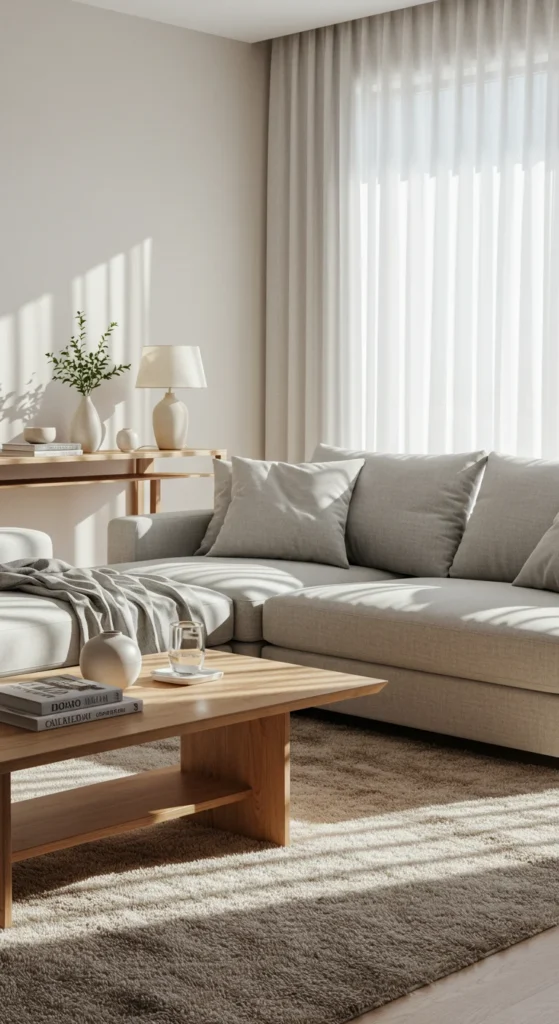
Here’s a step-by-step guide to arranging your furniture so every room flows beautifully.
Start by Defining the Room’s Purpose
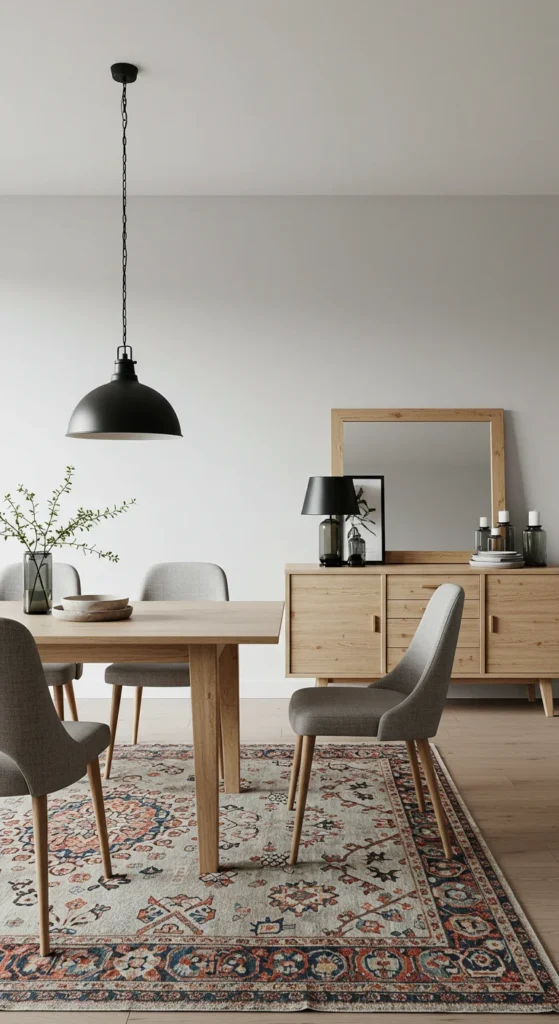
Before moving anything around, think about how the room will be used.
- In a living room, the main focus might be conversation and TV viewing.
- A dining room centers on the table for meals and gatherings.
- For multipurpose spaces, create zones for each activity—like a reading corner or a work desk.
Knowing the room’s purpose helps you decide which pieces deserve prime placement.
Measure Your Space First
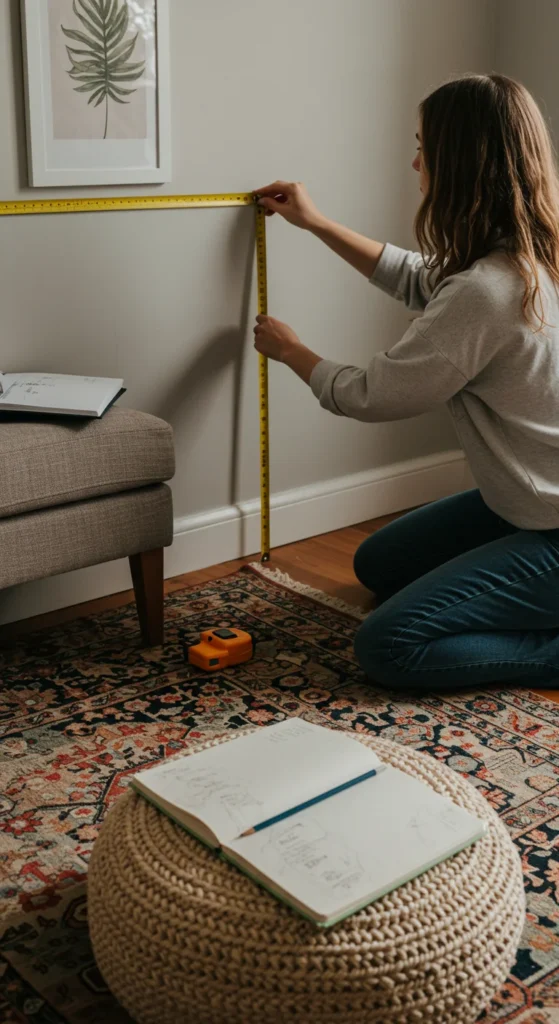
Accurate measurements prevent future frustration.
- Measure the length and width of the room, as well as windows, doors, and entryways.
- Note the size of your largest pieces of furniture—like sofas, beds, or dining tables.
- Leave at least 2–3 feet of walking space between major items for easy movement.
Having these measurements in hand makes planning your layout much smoother.
Choose a Focal Point
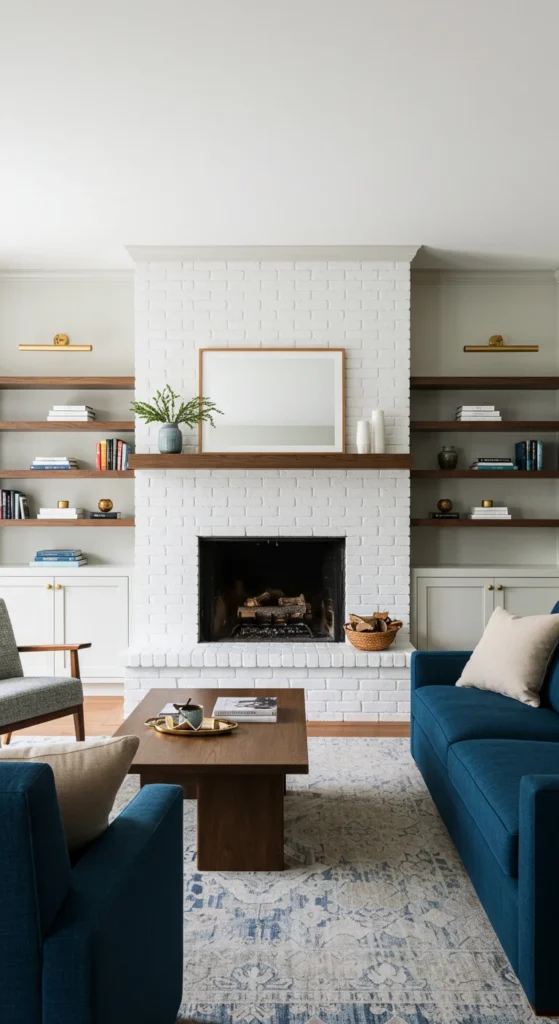
Every room benefits from a focal point to anchor the layout.
- Common focal points include fireplaces, large windows, or TV units.
- Arrange your main seating or largest piece—like a sofa or bed—to face or highlight that feature.
- Avoid blocking sightlines to keep the room visually open.
A clear focal point gives the space balance and makes it feel thoughtfully arranged.
Anchor with Rugs
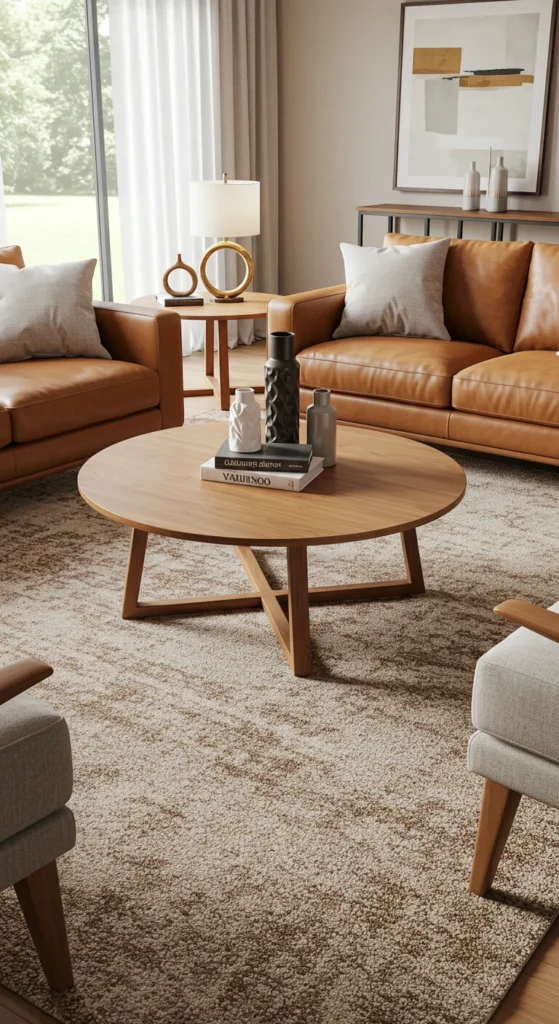
Rugs define seating areas and bring the whole layout together.
- In living rooms, place the front legs of sofas and chairs on the rug to unify the space.
- Choose rugs large enough to ground the furniture instead of floating awkwardly.
- Use smaller rugs to define secondary areas, like under a reading chair or entryway bench.
Anchoring with rugs helps create visual zones in open layouts.
Keep Pathways Clear
Crowded spaces can feel chaotic, even with stylish furniture.
- Arrange pieces so there’s an easy pathway between doorways and main zones.
- Avoid blocking natural light or obstructing views to windows.
- Place smaller tables or ottomans where they’re within reach but not in the way.
Clear pathways improve both flow and safety, especially in high-traffic areas.
Balance Heights and Proportions
Variety adds visual interest, but balance keeps it harmonious.
- Mix tall and short items—like pairing a low sofa with a tall floor lamp.
- Avoid clustering all large or heavy pieces on one side of the room.
- Use mirrors or artwork to balance vertical lines and fill empty wall space.
A well-proportioned layout feels inviting and easy on the eyes.
Create Cozy Conversation Areas
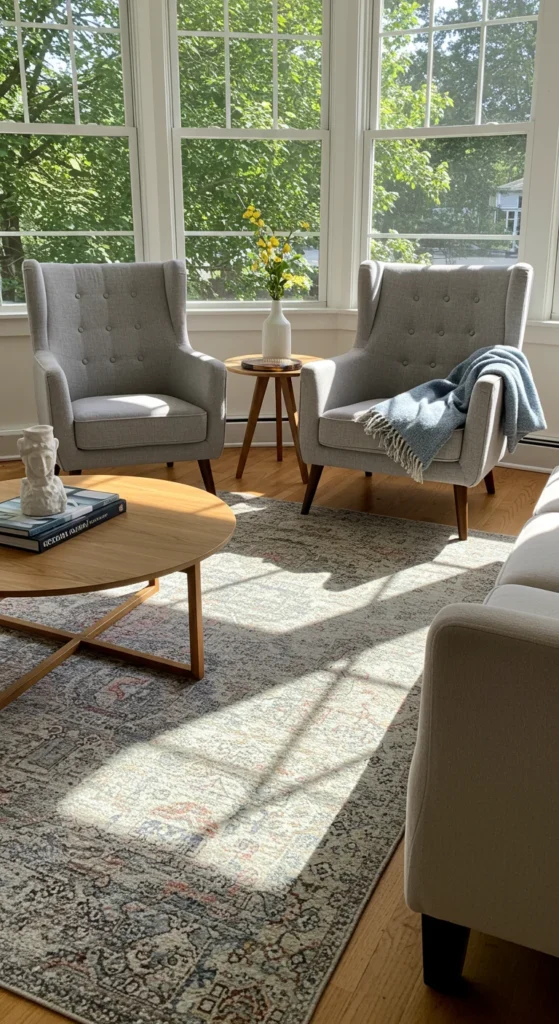
Group furniture to encourage interaction.
- Pull seating pieces closer together—don’t line them all up against the walls.
- Use a coffee table or ottoman as a central anchor to keep things cohesive.
- Add side tables within arm’s reach of each seat for convenience.
This arrangement makes living rooms and lounge areas more welcoming and sociable.
Add Finishing Touches
The final details make your layout feel complete.
- Position lamps for balanced lighting in reading nooks and seating areas.
- Add console tables behind sofas or along walls for extra storage and display.
- Bring in plants or decorative baskets to fill corners without adding clutter.
These elements tie the furniture together and soften the overall look of the space.
Final Takeaway
A well-planned furniture arrangement improves both the flow and the style of your home. By defining the room’s purpose, measuring carefully, highlighting a focal point, and balancing proportions, you’ll create a layout that looks polished and feels easy to live in.
Save these tips and start experimenting with your furniture placement—sometimes just shifting a few pieces can completely transform the room.
Leave a Reply