

Minimalism is about intentional simplicity, not bare walls and echoing rooms. A truly well-designed minimalist space feels calm, cozy, and balanced—not cold or empty. The secret lies in texture, warmth, and thoughtful design choices that let each piece shine without overwhelming the eye.
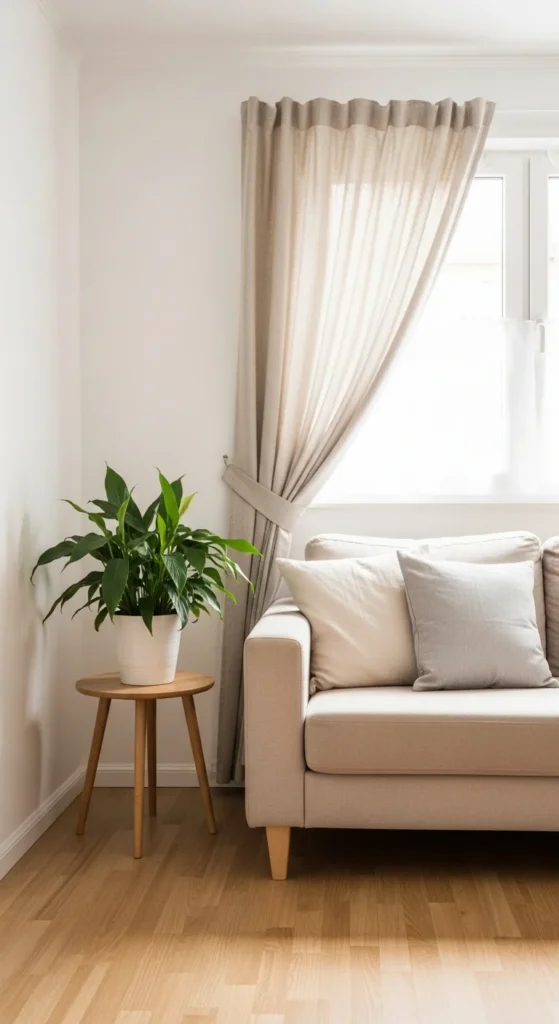
If you’ve ever tried to declutter and ended up feeling like your home lost its soul, don’t worry—you can have both simplicity and comfort. Here’s how to make minimalism feel warm, not stark.
1. Focus on “Less but Better”
Minimalism isn’t about owning less—it’s about owning only what matters. Instead of filling shelves with random decor, choose pieces that feel meaningful and well-made.
- Keep only what you truly love or use daily.
- Invest in quality basics like a beautiful wooden table or linen bedding.
- Skip duplicates—one perfect vase beats three average ones.
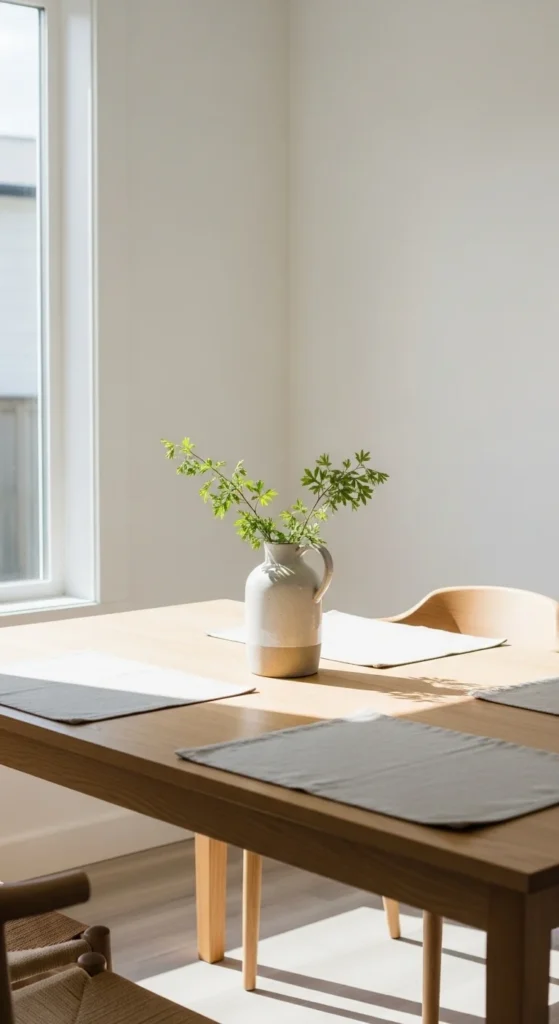
When you surround yourself with fewer, better things, every item becomes part of the design story.
2. Add Warmth Through Natural Materials
One reason minimalism can feel “cold” is too much metal, glass, or white-on-white surfaces. The fix? Layer natural materials that soften the look.
Mix and match:
- Wood: Furniture, picture frames, or shelving.
- Linen and cotton: Curtains, cushions, or throws.
- Stone or clay: Bowls, vases, or decorative trays.
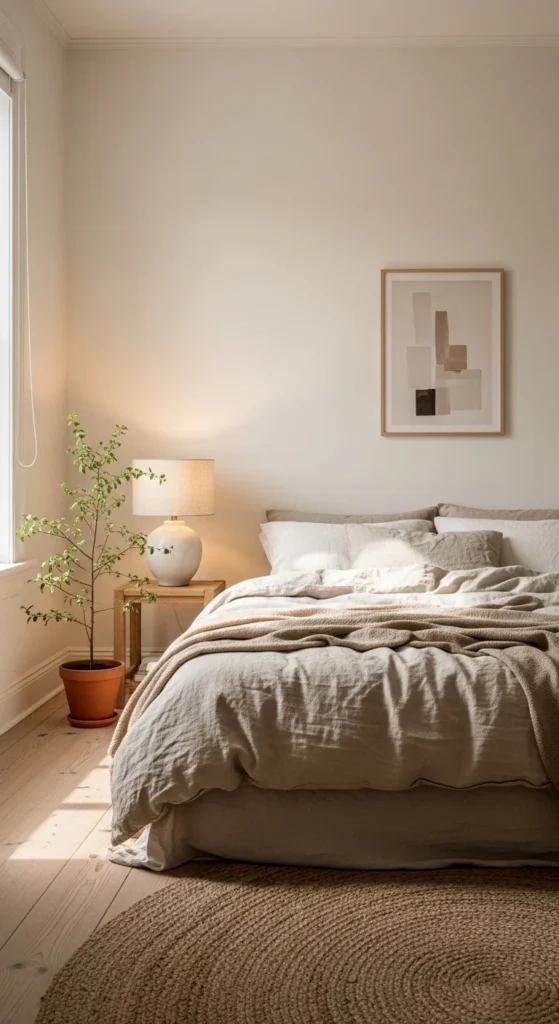
Natural textures keep minimal spaces grounded and inviting. They bring in warmth, depth, and a sense of calm balance.
3. Play with Neutrals (and a Hint of Contrast)
A minimalist palette doesn’t mean all white everything. The trick is tone-on-tone layering—different shades of the same neutral color family.
For example:
- Combine warm beige with soft taupe and off-white.
- Add contrast with black, charcoal, or deep wood tones.
- Use plants or earthy greens as subtle pops of color.
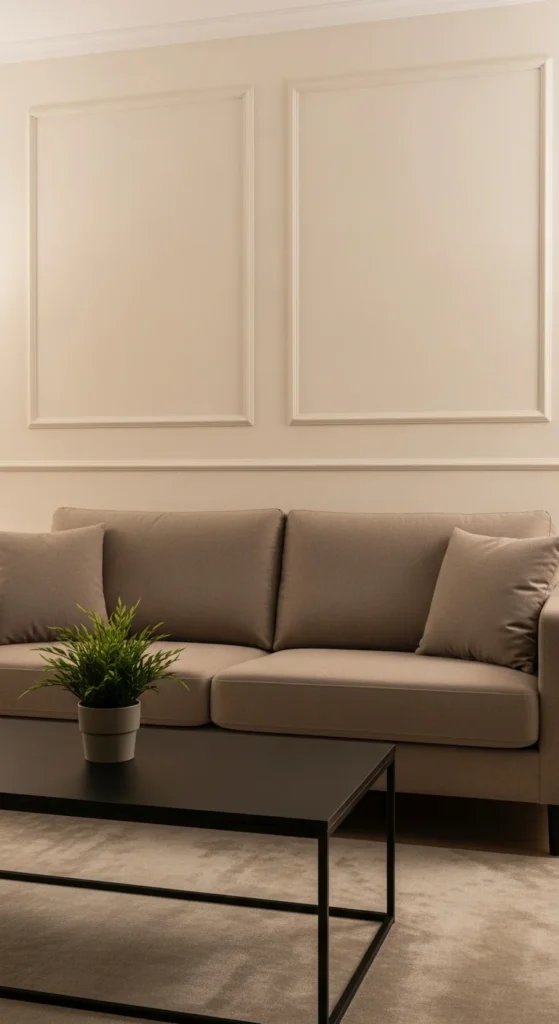
By mixing shades and materials, you create visual interest without clutter. Your space feels serene but still full of character.
4. Layer Light for Comfort and Mood
Lighting makes or breaks a minimalist room. The goal is to use soft, layered lighting that highlights form and texture.
Try combining:
- Overhead lights with warm-toned bulbs.
- Table or floor lamps for soft, ambient glow.
- Candles or string lights for cozy evenings.
Avoid harsh white or blue lighting—it makes rooms feel sterile. Warm, golden light adds life and emotion.
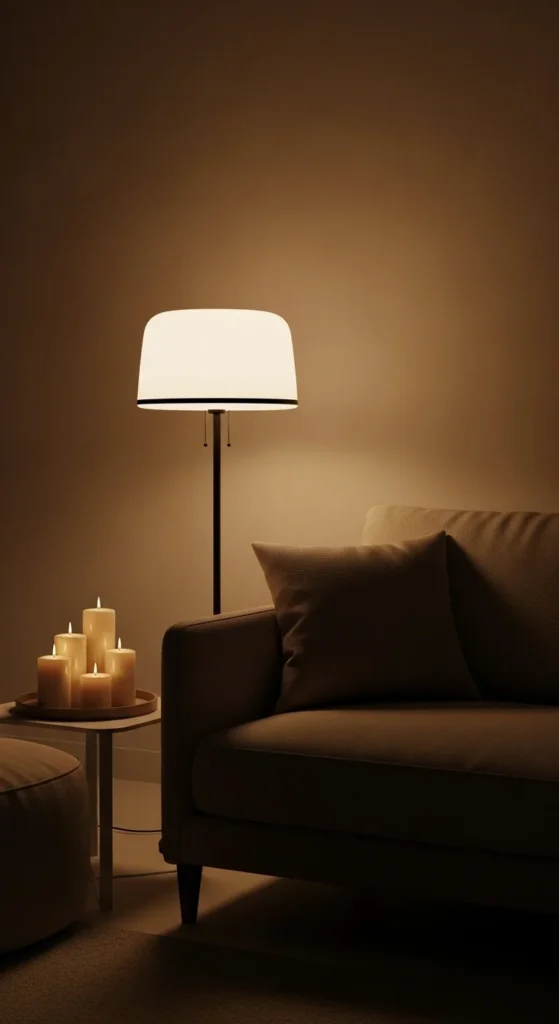
Light isn’t just functional—it’s emotional. It gives even a minimal space that “lived-in” feeling.
5. Add Life with Plants and Greenery
Minimal spaces thrive with a touch of nature. Plants soften the edges and bring movement and freshness to simple rooms.
Choose easy-care favorites like:
- Snake plants or peace lilies for modern rooms.
- Olive trees or fig plants for a natural vibe.
- Dried grasses or pampas stems for subtle texture.
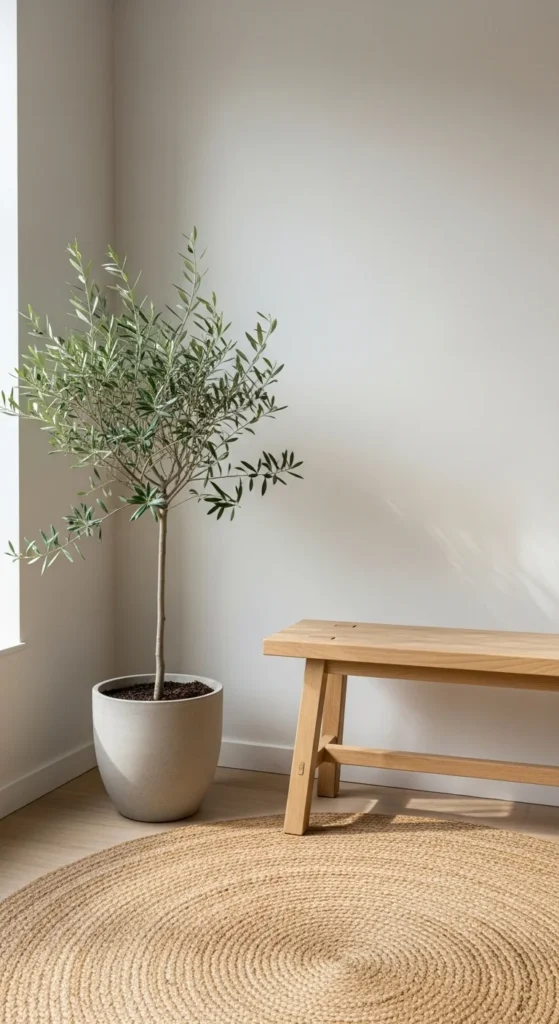
Plants bridge the gap between simplicity and liveliness. Even one green accent can instantly make a space feel whole.
6. Create Visual Balance with Negative Space
The beauty of minimalism lies in space to breathe. Don’t feel pressured to fill every wall or surface. Negative space helps the eye rest and makes your decor feel intentional.
Here’s how to master it:
- Leave open space around key furniture.
- Display one or two art pieces per wall, not five.
- Let tabletops stay mostly clear except for a few focal items.
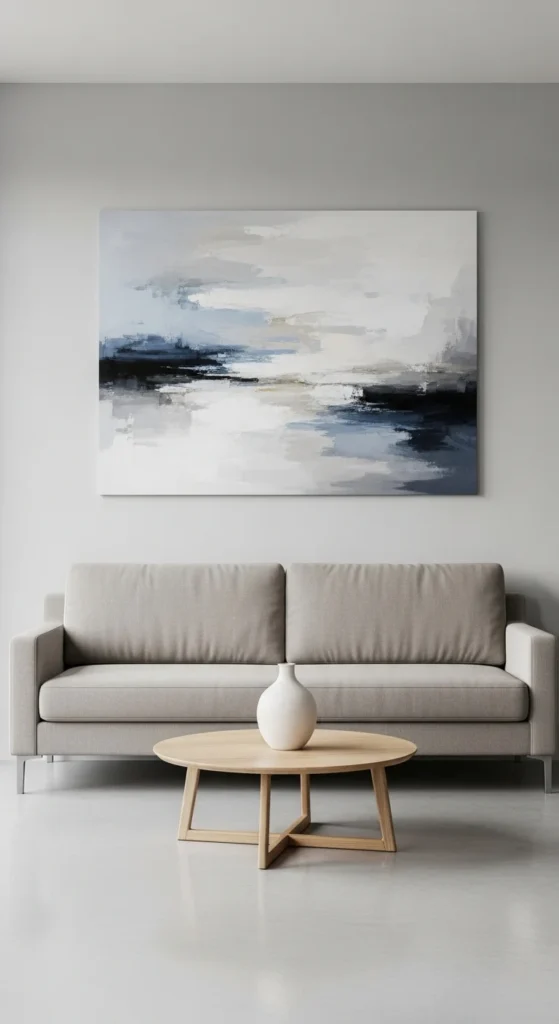
When every element has room to shine, your space feels peaceful—not empty.
7. Add Personality with Subtle Details
Minimalism doesn’t mean erasing your personality. It’s about showing it in small, meaningful ways.
- Display a single travel photo in a simple frame.
- Use a sculptural vase or handmade pottery piece.
- Choose one bold accent—like a statement chair or textured rug.
These personal touches keep your home from feeling like a showroom. They make it yours, while staying clean and uncluttered.
8. Keep It Clean and Consistent
A minimalist home only stays peaceful if it’s maintained. Build small habits to keep it that way:
- Do a 5-minute nightly tidy-up.
- Return decor items to their place after use.
- Avoid impulse buys that break your theme.
Clean spaces radiate calm energy—and it’s much easier to relax when visual clutter is gone.
Final Thoughts
Minimalism done right feels intentional, not empty. It’s about balance—between simplicity and comfort, order and warmth, restraint and personality.
Whether you’re decorating your first apartment or refreshing your home, start small: declutter one corner, add a plant, and choose quality over quantity.
Soon, you’ll find that your minimalist space feels anything but cold—it feels like peace you can live in.
Leave a Reply