

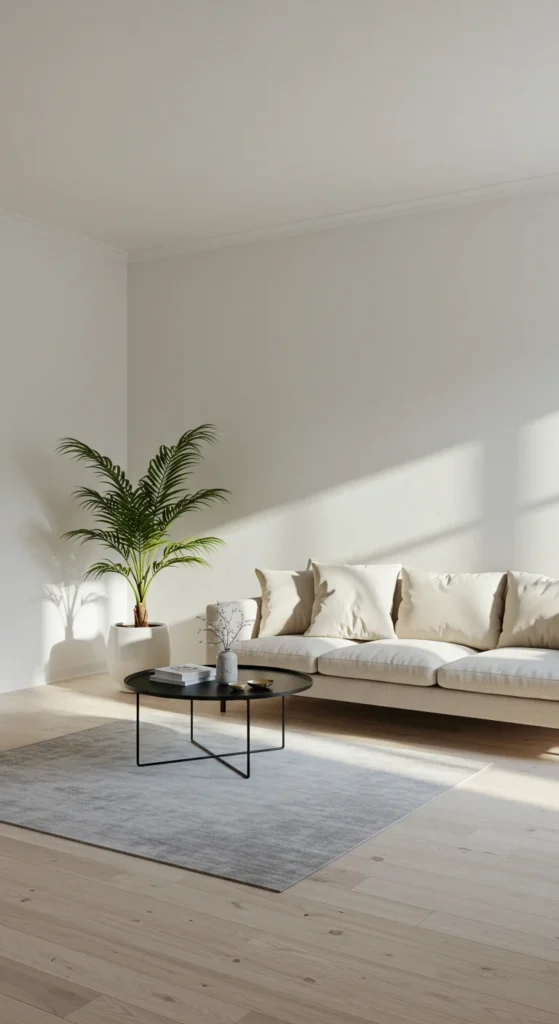
Minimalist decor isn’t about having less—it’s about keeping what matters most. By simplifying your space, you can create an atmosphere that feels calm, balanced, and easy to maintain. This guide shares 22 minimalist decor ideas to help you transform cluttered rooms into peaceful retreats with practical, budget-friendly tips.
1. Start with a Clean Slate
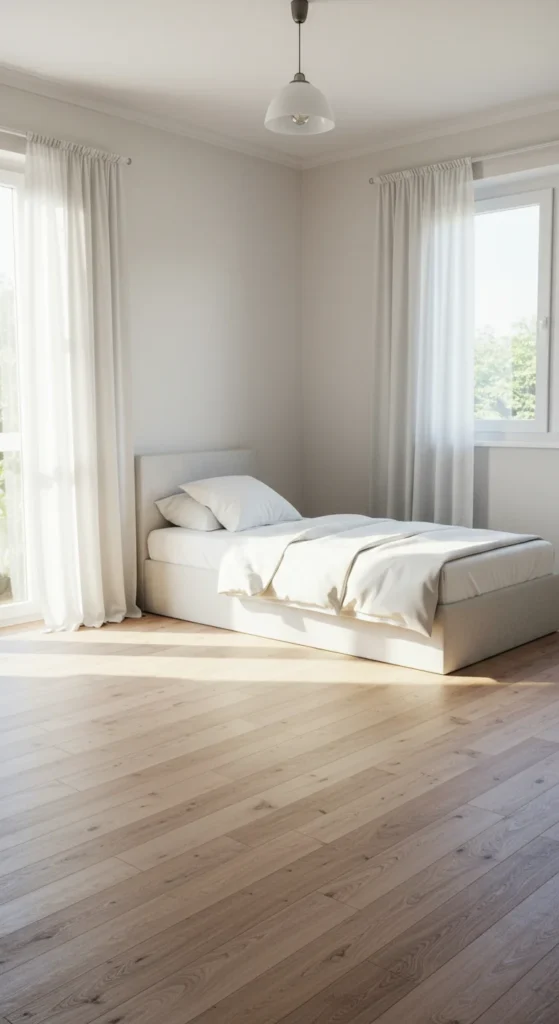
Before decorating, clear the space of items that no longer serve a purpose. Removing excess furniture and small accessories opens up the room visually and makes it feel larger.
Use simple storage bins or donate unused pieces to create space. Even just clearing surfaces like nightstands and countertops can shift the atmosphere instantly.
A clean backdrop will let the few chosen decor pieces stand out and keep your home feeling tranquil.
2. Embrace a Neutral Color Palette
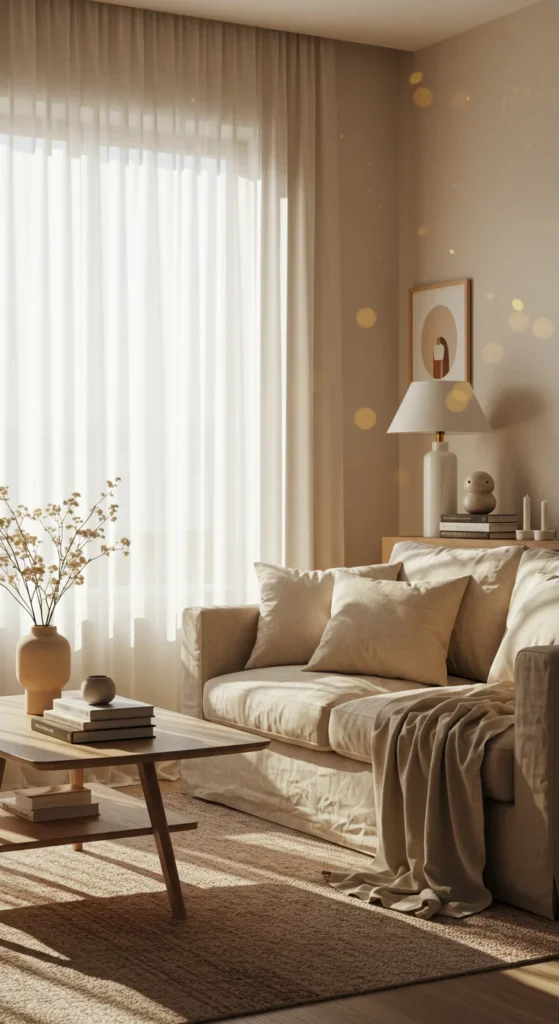
Neutral colors like white, beige, taupe, and soft gray create an airy, open feeling. They also make rooms appear brighter and more cohesive.
Start by painting walls in one soft tone. Pair with matching textiles like curtains or rugs in complementary neutrals. This approach works well in small spaces because it reduces visual clutter.
If repainting isn’t an option, add slipcovers to existing furniture or layer neutral throws and cushions to create harmony.
3. Focus on Quality Over Quantity
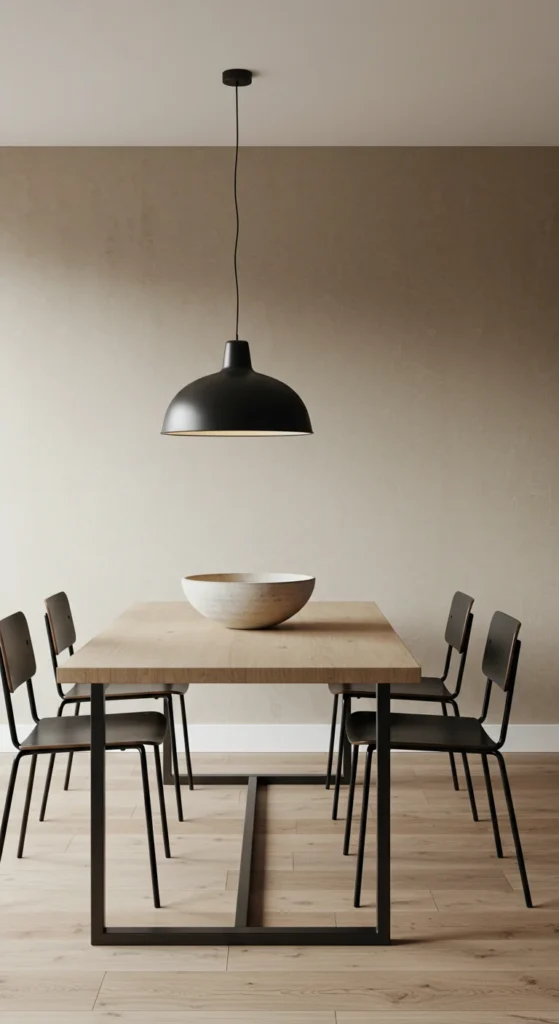
Minimalism favors fewer pieces that serve a clear purpose. Instead of filling every corner, choose well-built furniture that stands out on its own.
Replace multiple small knickknacks with one meaningful centerpiece, like a ceramic bowl or a large framed photo.
Shop secondhand for solid wood tables or chairs that last longer. Reducing the number of items keeps cleaning simpler and highlights the beauty of each piece.
4. Keep Surfaces Bare
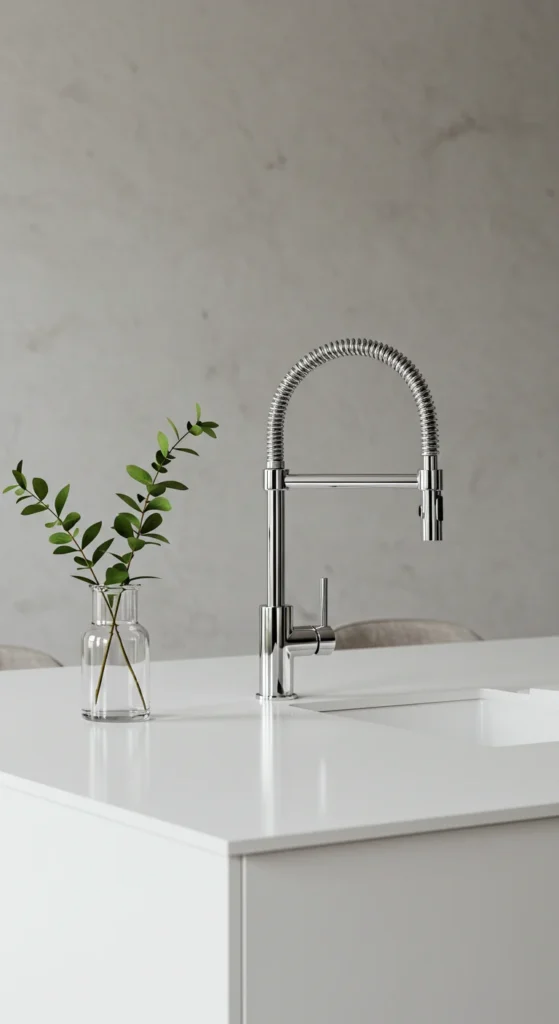
Clear countertops, side tables, and mantels instantly give a room a calmer appearance. Surfaces free from excess decor look larger and more organized.
Try keeping just one or two accents, such as a small vase or candle, and store everything else inside cabinets or drawers.
Make a habit of tidying surfaces daily to keep clutter from building up again.
5. Add Natural Textures
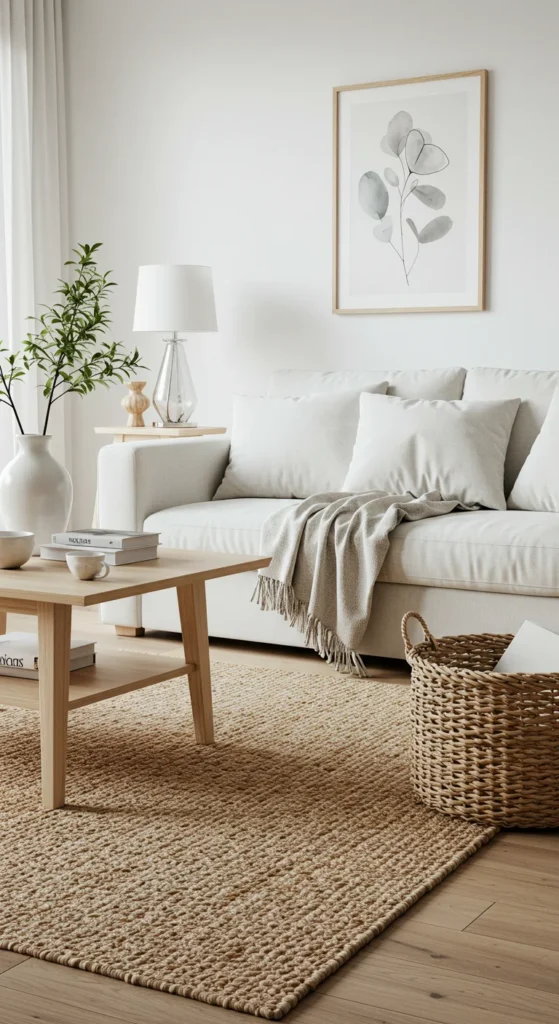
Natural fibers bring warmth and depth without overwhelming a minimalist look. Materials like jute, cotton, linen, and wood add subtle texture to an otherwise plain space.
Swap synthetic rugs for natural fiber ones or use woven baskets for storage. Layer a cotton or linen throw on a plain sofa to make the room more inviting.
Stick to neutral shades so the textures remain soft and understated.
6. Use Hidden Storage Solutions
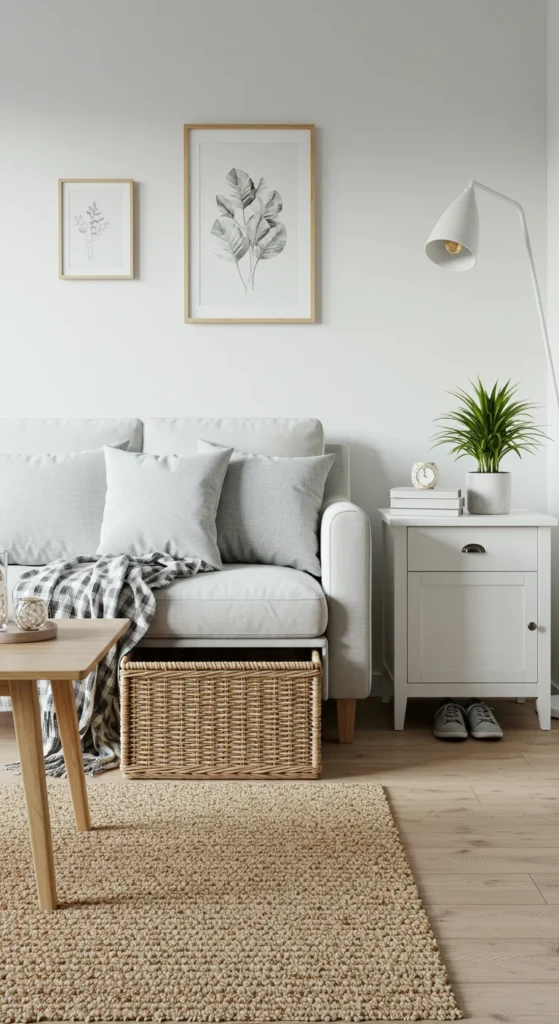
Clutter often comes from lack of storage. Incorporating hidden compartments like storage benches, ottomans, or wall-mounted shelves helps keep essentials tucked away.
Repurpose trunks or baskets with lids as coffee tables for dual functionality. Label boxes or bins to maintain order inside closets.
Keeping storage simple and discreet keeps the room open and visually uncluttered.
7. Highlight Clean-Lined Furniture
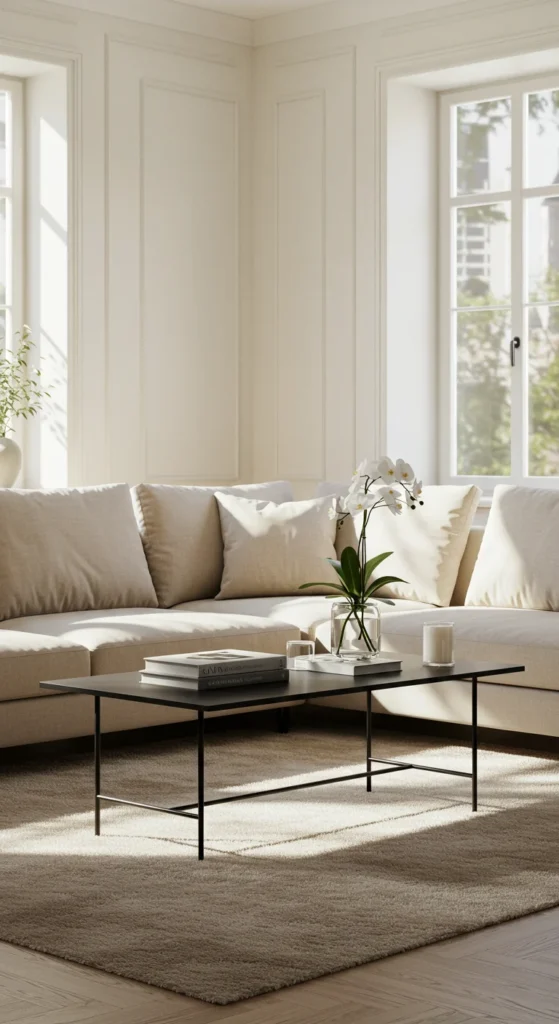
Minimalist spaces favor furniture with straight edges and simple shapes. Avoid bulky, carved, or highly decorative pieces that can crowd a room.
For a budget-friendly refresh, remove heavy slipcovers or paint wooden legs in a matte neutral color. Swap patterned cushions for plain ones to maintain a cohesive look.
This approach makes the room feel more spacious and easier to style.
8. Incorporate Large Wall Art
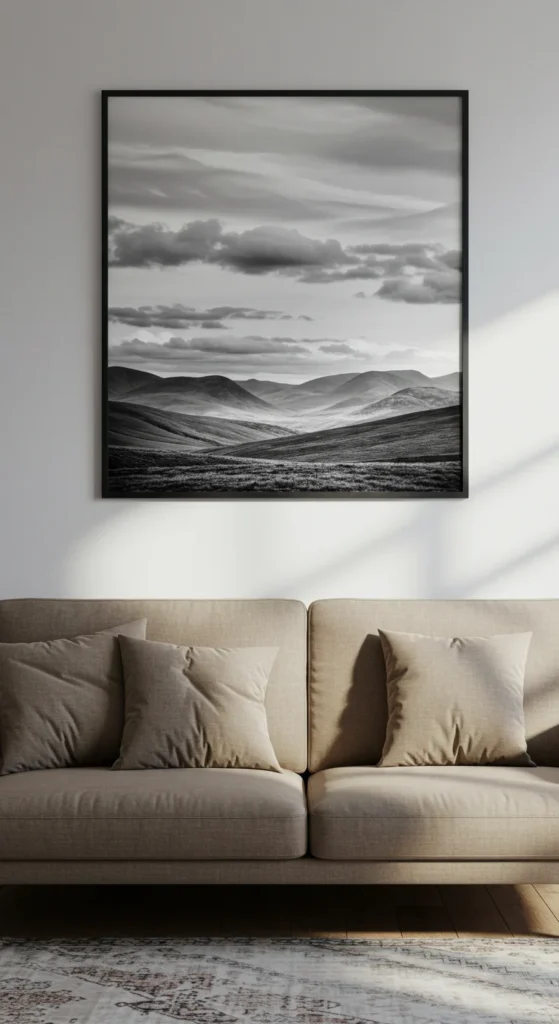
Instead of multiple small artworks, select one large piece for a clean, modern statement. It adds character without creating clutter.
You can print your favorite photograph at a local print shop and frame it affordably. Position the piece at eye level and let it be the focal point for the wall.
Keeping other decorations minimal will help the artwork shine.
9. Choose Multi-Functional Pieces
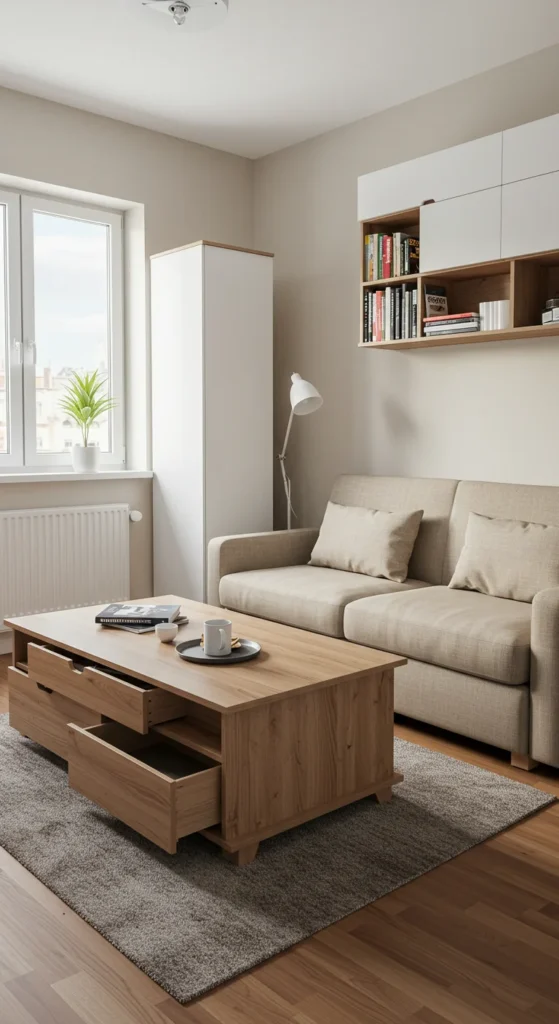
In smaller homes, furniture that serves more than one purpose saves space and reduces the need for extra pieces.
Look for ottomans that store blankets, coffee tables with shelves underneath, or foldable dining tables.
This approach limits clutter while keeping the room practical and stylish.
10. Bring in Greenery Sparingly
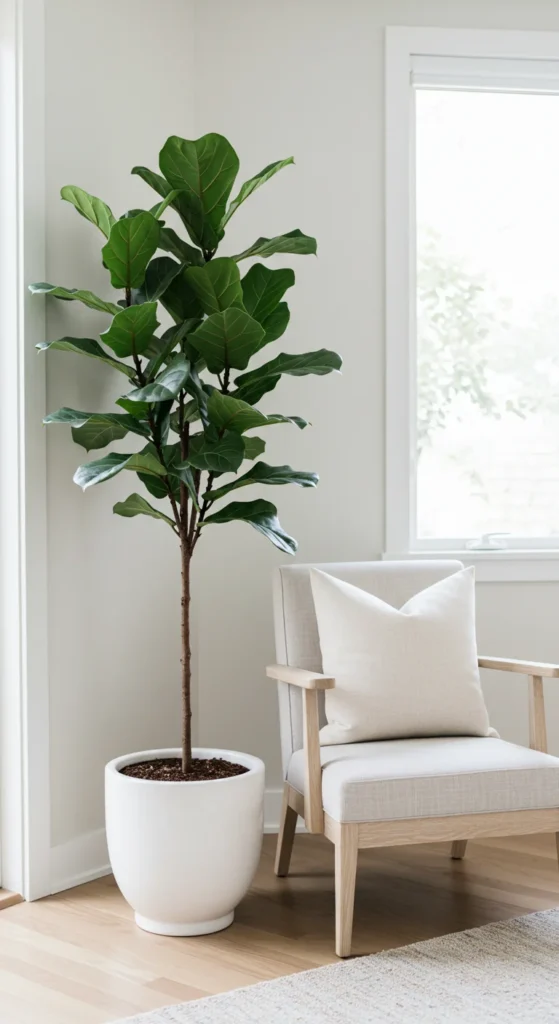
Plants add life to minimalist interiors but too many can feel busy. Stick to one or two statement plants in neutral pots.
Choose low-maintenance varieties like snake plants or pothos for easy care.
Position plants where they get natural light to avoid needing extra stands or grow lights.
11. Keep a Monochrome Palette
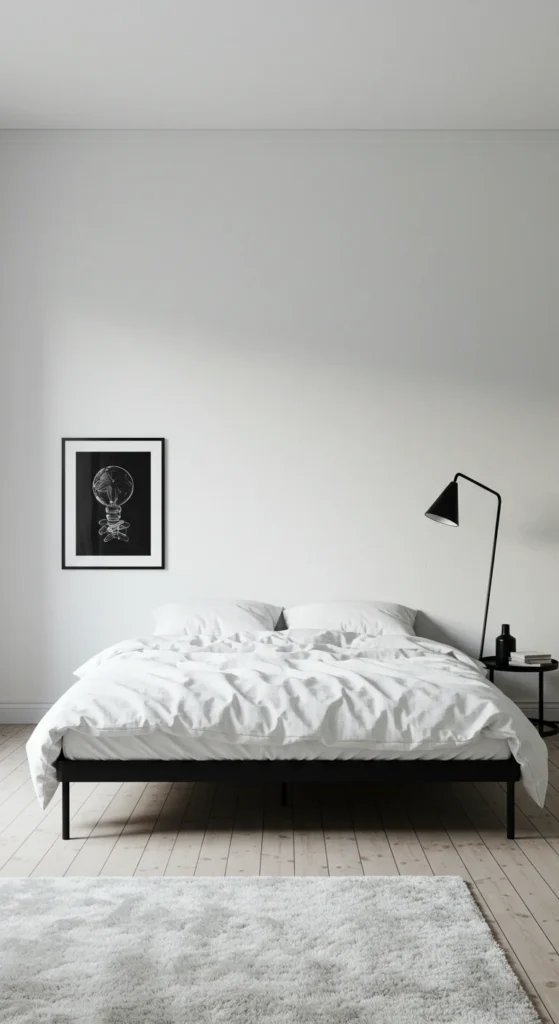
Monochrome colors like black, white, and gray create a cohesive, calming look. They’re especially effective in bedrooms or workspaces.
Paint one accent wall in a darker shade to add contrast, then balance it with lighter furniture and textiles.
Limit the use of bright colors to one or two small accents to maintain a serene atmosphere.
12. Rely on Natural Light
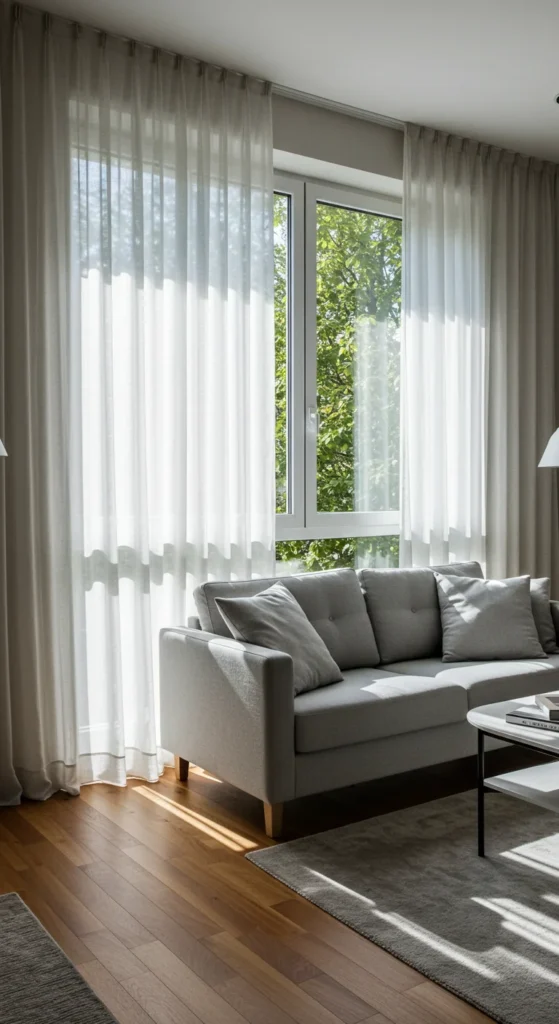
Natural light makes spaces feel open and welcoming. Keep windows free of heavy drapes or dark blinds that block light.
Install sheer curtains or leave them bare if privacy allows. Arrange furniture to avoid blocking windows.
Use mirrors opposite windows to reflect sunlight deeper into the room.
13. Opt for Minimal Lighting Fixtures
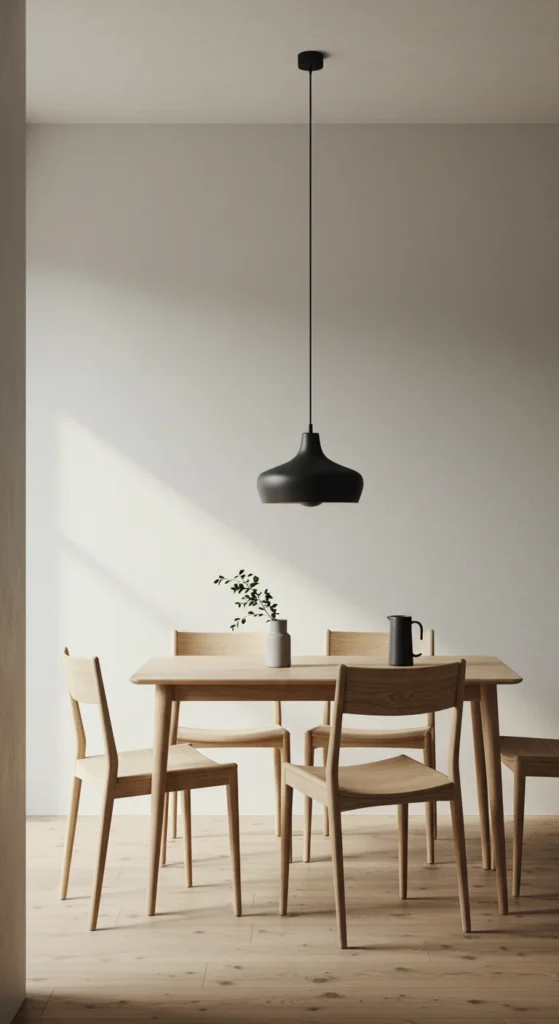
Minimalist lighting is sleek and understated. Avoid bulky chandeliers or ornate lamps that distract from the simplicity of the room.
Search thrift shops or online for affordable pendant lights or slim floor lamps. Choose warm-white bulbs to keep the space cozy and not too stark.
Keep cords tucked away to maintain the clean lines.
14. Declutter Regularly
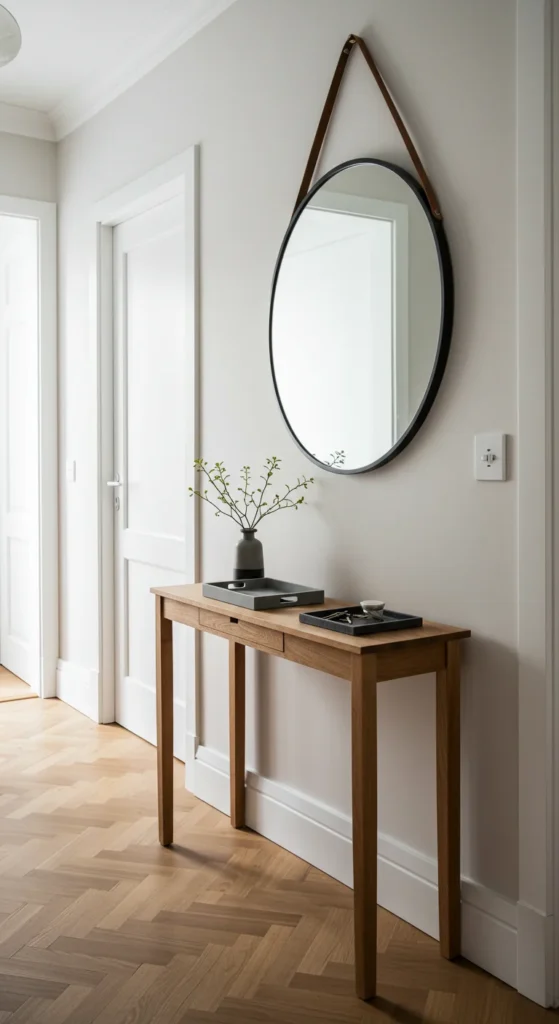
Maintaining minimalism requires consistent decluttering. Set aside a few minutes weekly to clear surfaces and organize hidden storage.
Donate or recycle items that aren’t used. Rotate seasonal decor instead of adding more pieces.
Regular upkeep keeps the space easy to clean and peaceful to live in.
15. Add Subtle Patterns Sparingly
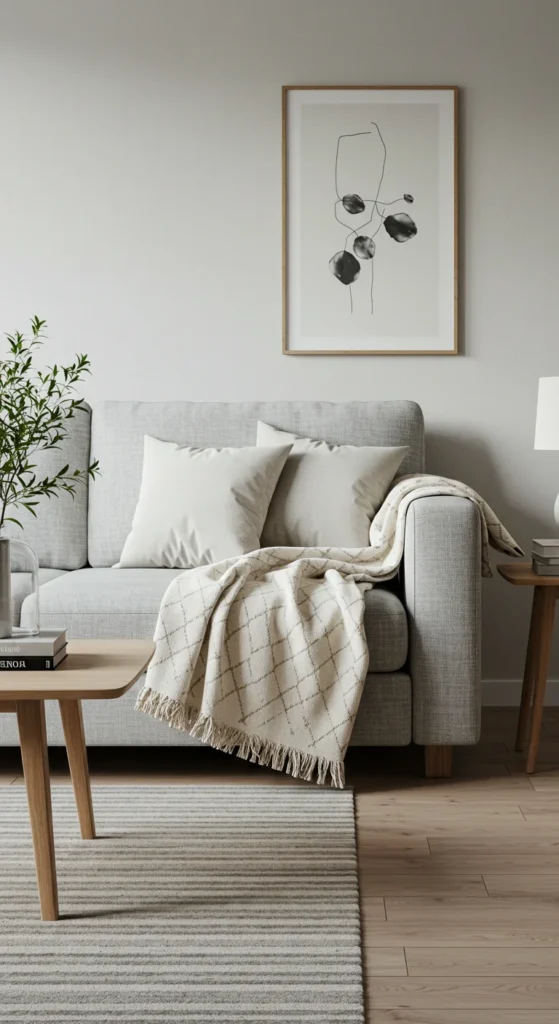
While minimalist spaces often use solid colors, a hint of pattern can add warmth and interest. Choose subtle geometric or striped designs in soft hues.
Stick to one patterned item per room—like a rug, throw, or cushion cover—to prevent visual clutter.
This small detail can make a room feel more personal while staying true to a minimalist style.
16. Use Wall-Mounted Shelves
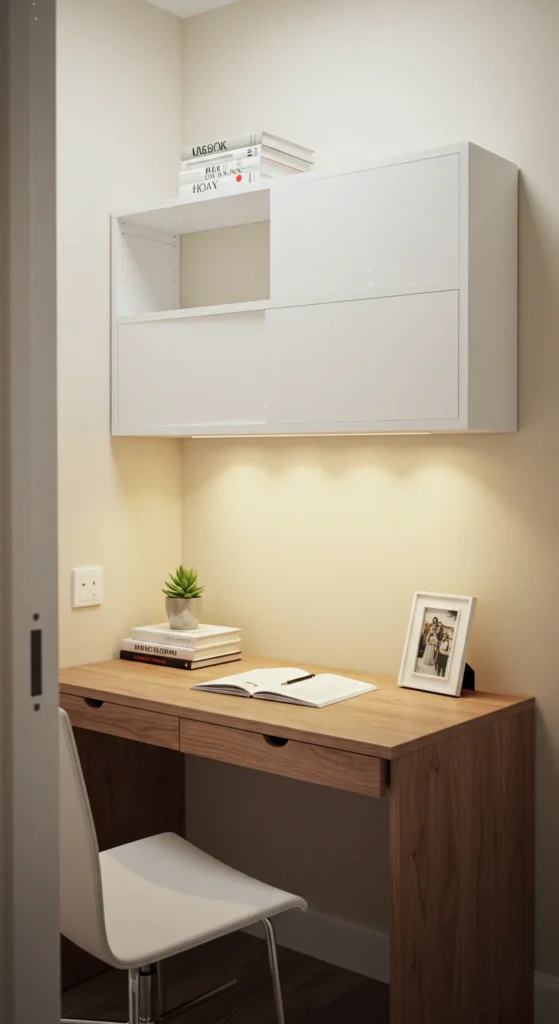
Wall-mounted shelves free up floor space and keep the room open. They’re great for displaying a few chosen items neatly.
Keep the arrangement simple—two or three shelves with evenly spaced decor like books, a plant, and a framed print.
Paint the shelves the same color as the wall for a seamless look.
17. Keep Decor Symmetrical
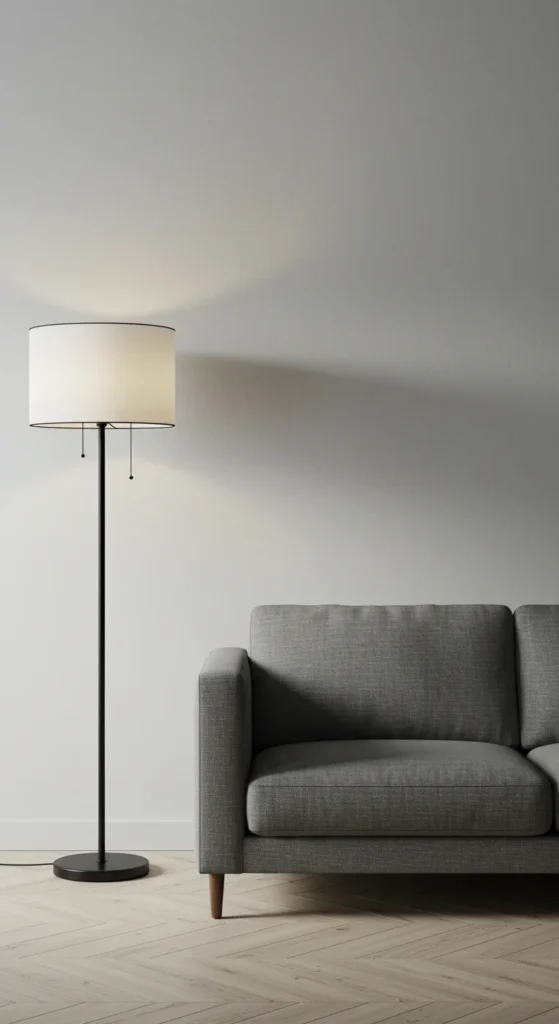
Symmetry creates order and calmness in a space. Matching pairs of lamps, chairs, or side tables make rooms feel balanced.
You don’t need to buy expensive sets; repurpose matching items from other rooms.
This simple trick helps rooms look tidy and thoughtfully arranged.
18. Highlight Architectural Details
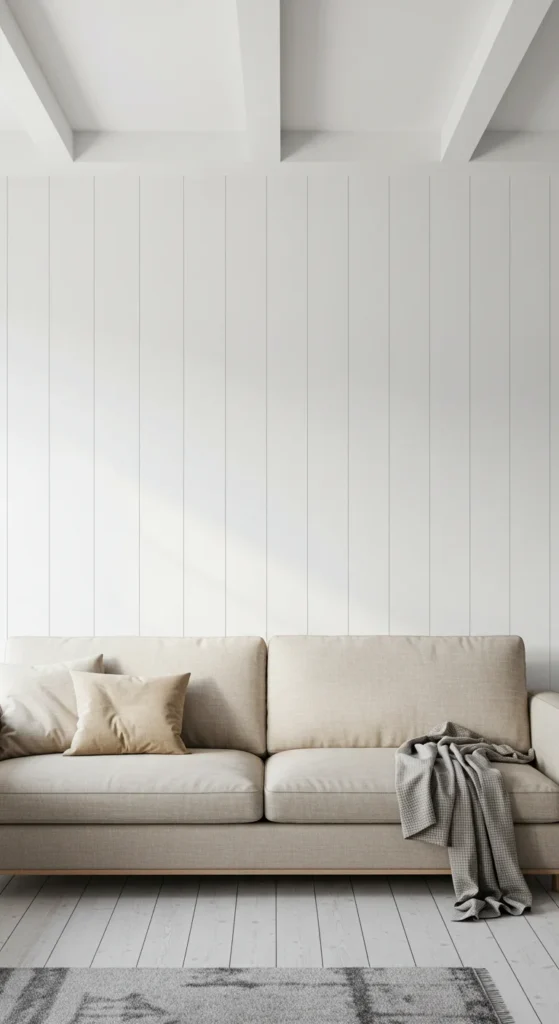
Instead of adding more decor, emphasize existing features like exposed beams, brick walls, or built-in shelves.
If your walls are plain, add low-cost wooden slats or paint a recessed area to give texture without adding extra objects.
Keeping the details subtle helps maintain the minimalist vibe.
19. Choose Low-Profile Rugs
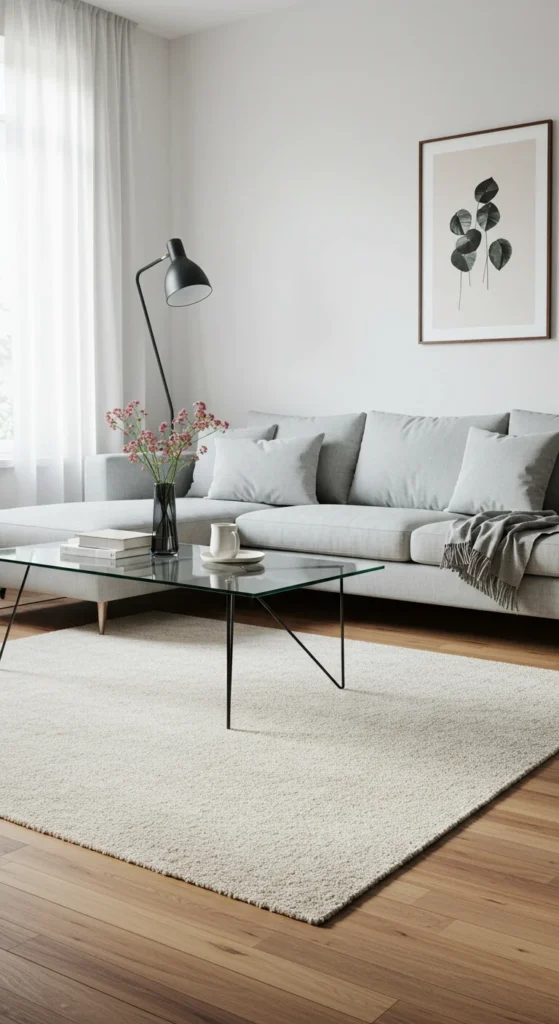
Thick, heavy rugs can make a room feel crowded. Low-pile or flat-weave rugs keep the space looking open and airy.
Stick to light or neutral colors that match your palette.
Look for affordable machine-woven options that are easy to clean and won’t dominate the room.
20. Style a Simple Bedscape
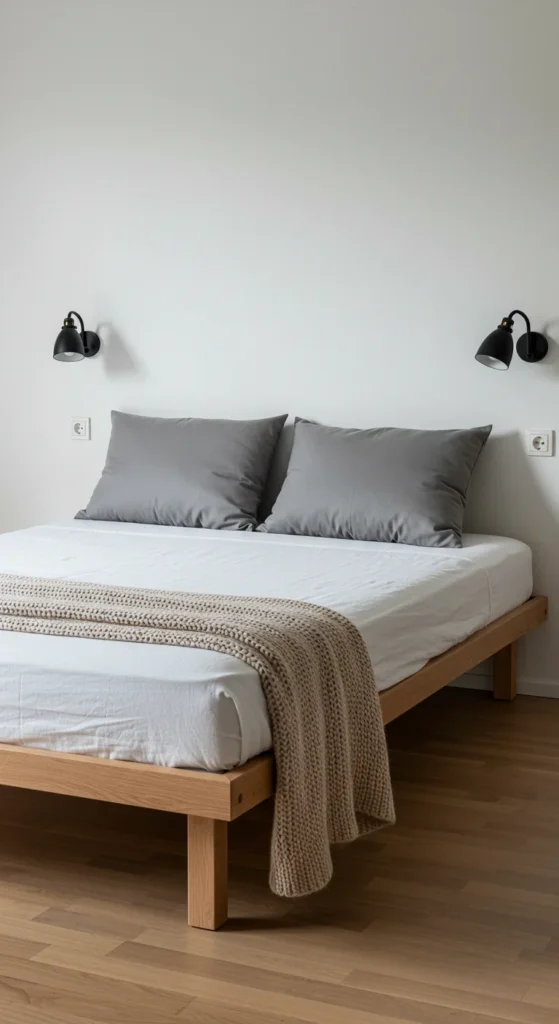
Keep beds neat and uncluttered with just a few coordinated pieces. Use solid-colored sheets and limit throw pillows to two or three.
Add a neutral throw at the foot of the bed for texture.
Regularly rotate or wash linens to keep the space feeling fresh and calming.
21. Display One Focal Piece Per Room
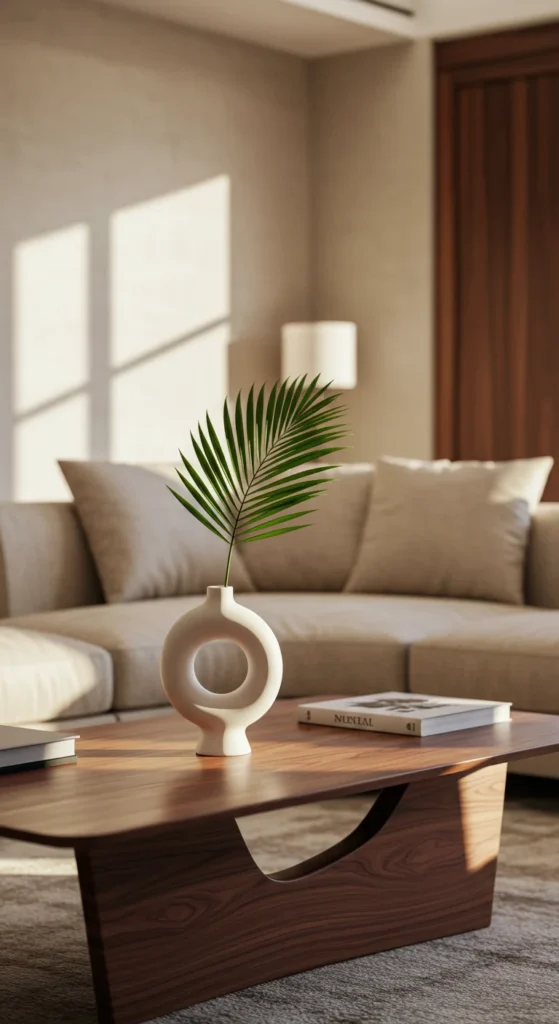
Instead of crowding surfaces with several small objects, choose one standout decor piece to be the room’s highlight.
It could be a sculptural vase, a unique lamp, or a framed artwork.
This technique keeps the space simple yet personal without overwhelming it.
22. Limit Decorative Accessories
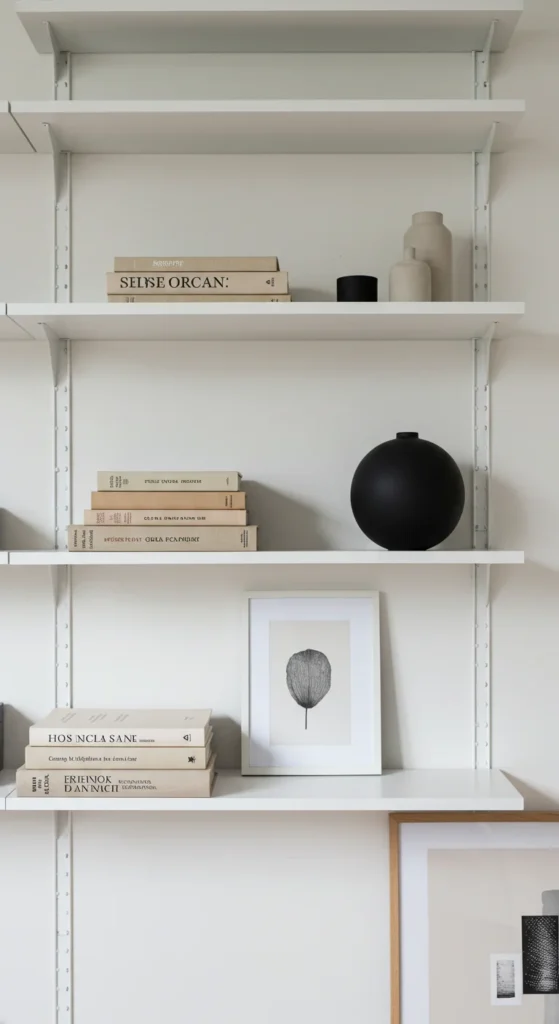
Resist filling every shelf or table. Leave empty space between items to create breathing room.
Donate or store accessories you don’t use often and rotate them occasionally instead of adding more.
The less you display, the calmer and cleaner your space will feel.
Conclusion
A minimalist home encourages clarity and peace by focusing on what’s essential. With small but intentional changes—like clearing surfaces, using neutral colors, and limiting accessories—you can make any room feel lighter and more open. Pick a few ideas from this list to start, and enjoy the calm that follows when your space works in harmony with your lifestyle.
Leave a Reply