

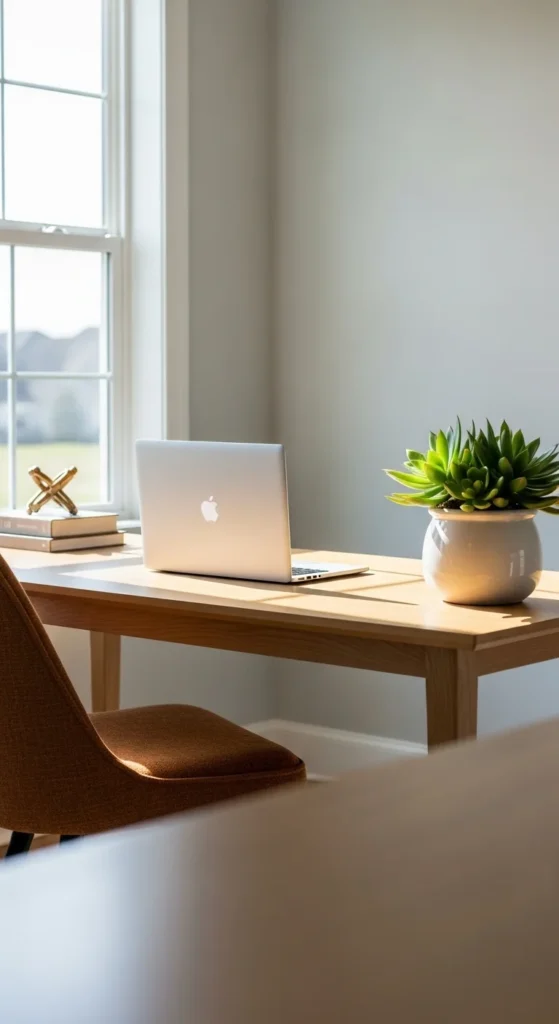
Creating an office that feels calm, stylish, and functional can shape the way you work every day. Simple choices—like lighting, textures, wall color, layout, and accessories—can make your desk feel more inviting and help you stay on task with less effort. This guide shares practical ideas you can try in any home office or small workspace. Every tip keeps comfort, affordability, and everyday practicality in mind so you can update your setup without stress.
1. Minimalist Desk Layout
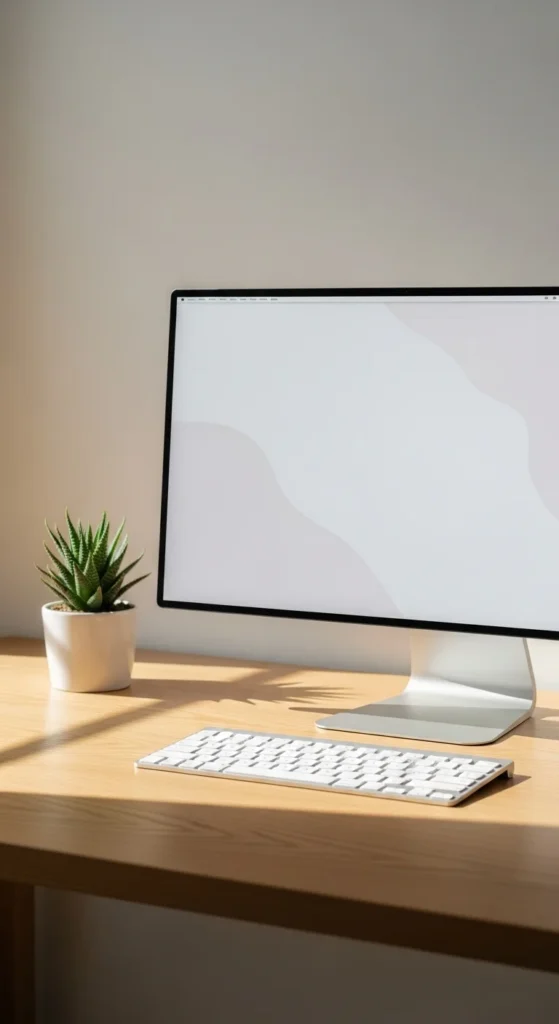
A simple desk layout makes your workstation easier to use. Keep only the items you reach for daily and place them within arm’s reach. A clean surface helps your mind settle when you sit down. Start by removing accessories that don’t serve a purpose. Add a narrow tray to hold essentials like pens or sticky notes. If your monitor takes too much space, raise it using a small riser so you gain room beneath it. Use one good lamp rather than several. A microfiber cloth nearby keeps dust from collecting. Try running cables behind the desk with small stick-on clips to keep them from bunching up. If your desk has drawers, create small sections so items stay organized instead of floating around loosely. A minimal layout doesn’t require buying new furniture; it’s mainly about simplifying what you already have. Small changes can make work sessions feel lighter and more focused.
2. Warm Lighting With Soft Glow
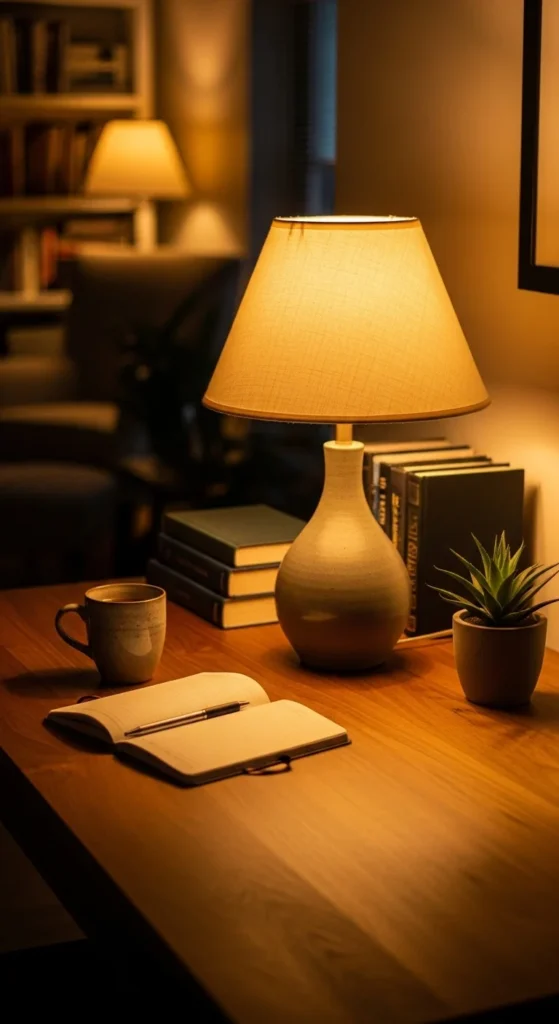
Warm lighting helps create a calmer workspace. Swap harsh white bulbs for soft white or warm LED bulbs that feel pleasant on the eyes. A lamp with a fabric shade spreads light evenly and avoids sharp glare on your screen. If you work late, place a lamp behind your monitor to reduce eye strain. You can also add a low-cost LED strip under a shelf to create a gentle glow. Try placing the lamp on the side opposite your writing hand to reduce shadows when jotting notes. If your room feels too dim, combine one table lamp with a floor lamp to fill the corners of the space. These simple lighting changes cost little but create a friendlier working area. The goal is to create an atmosphere that feels calm without making the room dark. Adjusting one bulb can change the entire mood of your office.
3. Natural Wood Accents
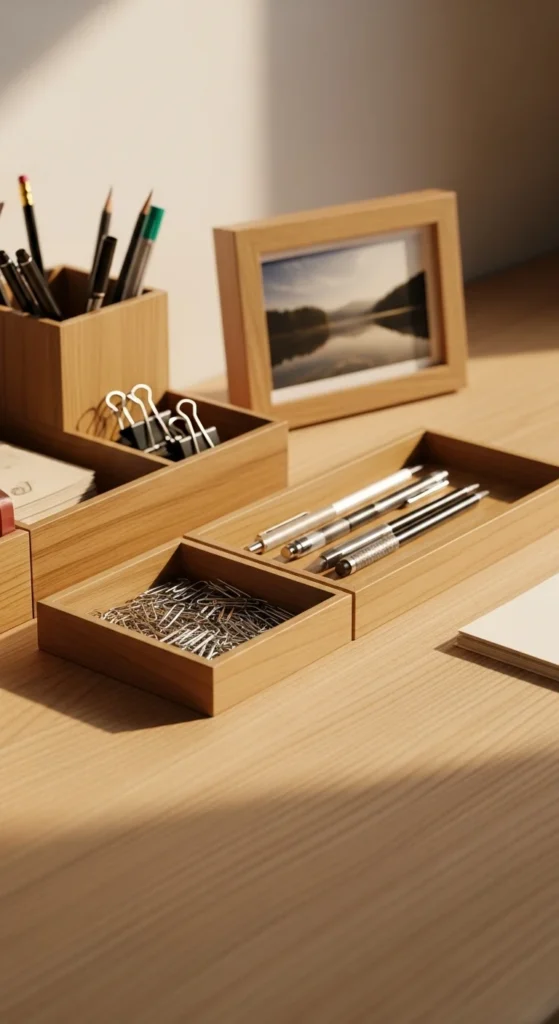
Wood accents add warmth to your workspace. Even one wooden accessory can make the area feel grounded. You can bring in a wooden pen holder, monitor stand, or a small shelf. Lighter tones like birch or ash give the space an airy feel, while darker walnut adds richness. If you already have a wooden desk, pair it with subtle wooden details so the look stays consistent. You don’t need expensive pieces; budget-friendly bamboo items work well and are easy to find. Try replacing plastic accessories with wood for a more cohesive look. A small wooden coaster for your tea or coffee keeps the surface clean. If you enjoy DIY projects, sand and stain a simple board to create your own monitor riser. Wood pieces pair well with greenery, neutral tones, and soft fabrics. These touches create a warm environment that helps you settle easily into work.
4. Soft Neutral Color Palette
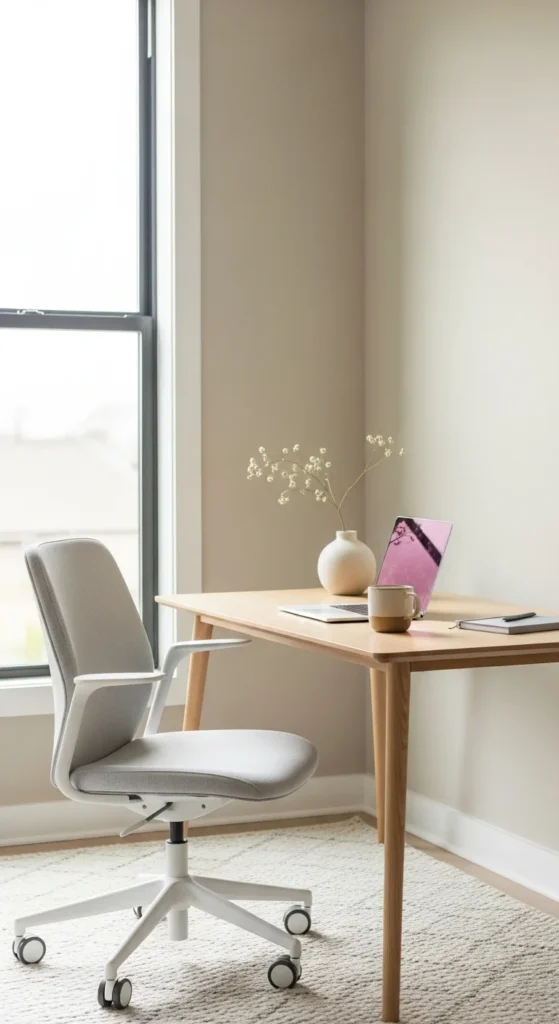
Neutral colors help create a peaceful atmosphere. Shades like cream, taupe, white, or soft gray can make a small office feel open and balanced. You don’t need to repaint the entire room. Start by updating smaller pieces: a neutral desk mat, seat cushion, or curtains. Even replacing bold-colored accessories with softer tones can change the mood. If your walls feel busy, try adding a neutral canvas or framed print to soften the area. Neutral tones pair well with wood, black metal accents, and greenery. To add depth, mix textures—linen, wool, or matte ceramic items. If your office feels too plain afterward, add one or two accent pieces like a clay vase or a slate-colored lamp. The goal is to let your eyes rest instead of being distracted by many competing colors. This palette works well in both small and large spaces.
5. Indoor Plants for Calm Energy
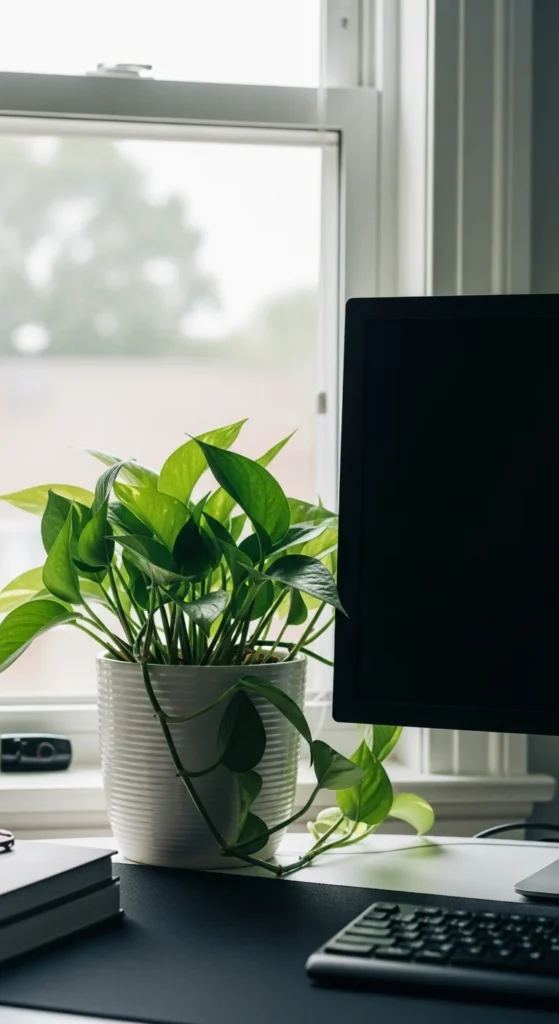
Plants bring life and a sense of calm into your workspace. Even one simple plant can soften the environment. Choose plants that require little attention, such as pothos, ZZ plants, or snake plants. Place them where they get indirect light. If your desk is small, pick a tiny succulent or a small trailing plant that sits on a shelf. A basic clay pot works well and costs very little. If you enjoy DIY touches, wrap the pot with jute rope or paint a simple pattern. Watering once a week is usually enough for easy-care plants. If real plants feel overwhelming, try one high-quality faux option. It still adds texture and color without any care habits. Greenery helps break the monotony of screens and paperwork, making your workspace more pleasant to sit in every day.
6. Cozy Fabric Chair Cushion
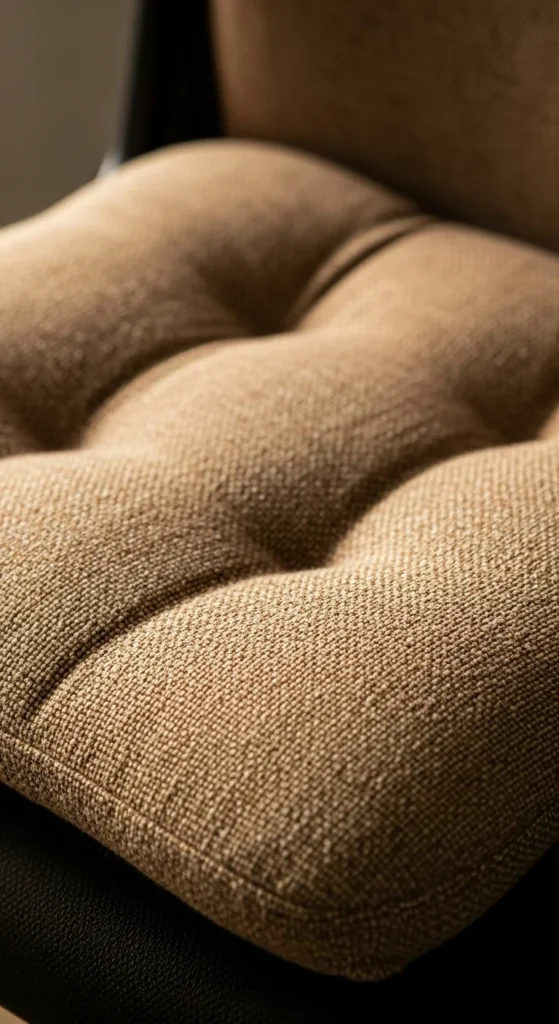
A comfortable seat cushion can change how long you stay focused. Instead of replacing your entire chair, add a supportive cushion with good thickness. Choose fabrics like cotton, linen, or soft velvet. These materials feel pleasant during long hours. Look for a cushion that offers even padding so it doesn’t flatten quickly. You can match the color with your overall palette to keep the space consistent. If you prefer a custom look, sew a simple cover using leftover fabric. For chairs with hard surfaces, a cushion with ties helps keep it from sliding. Try pairing the cushion with a small lumbar pillow if your back feels tense. These additions make your chair feel new without requiring a big investment. A cozy seat keeps you more relaxed, helping you stay steady while working.
7. Wall-Mounted Floating Shelves
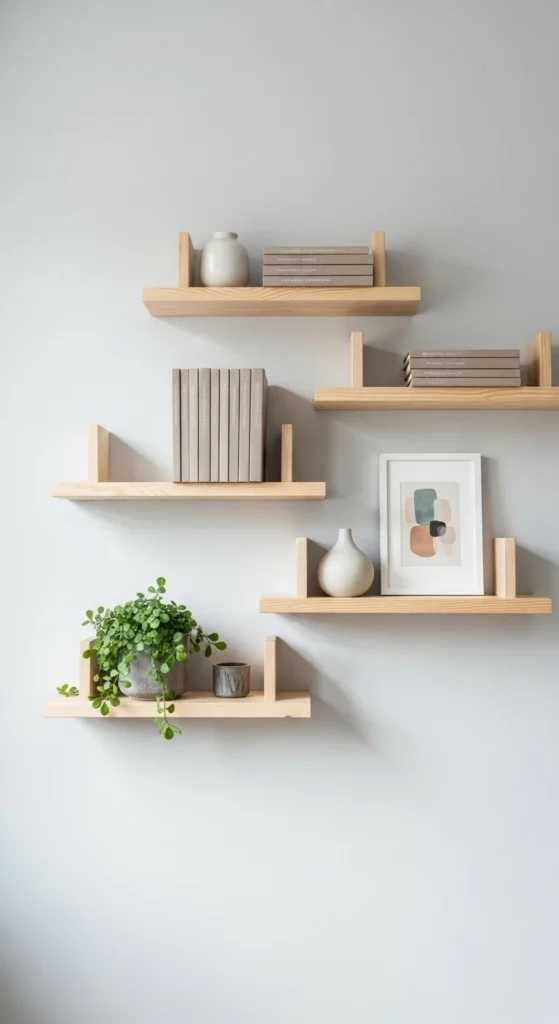
Floating shelves help you store items without taking up desk space. Choose a simple style that matches your desk or wall color. A set of two or three shelves can hold books, files, or small decorative items. Keep the layout light by leaving some empty space on each shelf. Avoid filling them completely. If your office feels narrow, place shelves vertically to draw the eye upward. They also give you a place to keep plants or small baskets for organizing cables. You can install them with basic tools. Even budget shelves work well if installed correctly. If you enjoy DIY work, sand and stain a long plank to match your desk. Floating shelves add structure to your wall and help keep your desk clean, making the whole room feel more organized.
8. Textured Rug Under the Desk
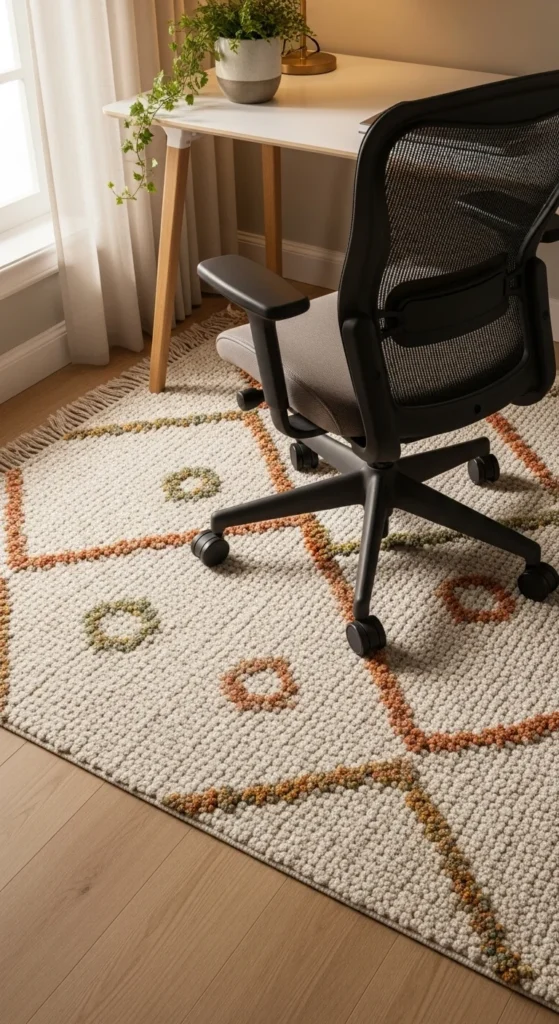
A rug adds comfort and softens the hard surfaces in your office. It also defines your workspace visually, especially if your office shares a room with other furniture. Choose a low-pile rug so your chair rolls easily. Natural fibers like jute or cotton blend with most decor styles. A patterned rug works well if your walls and furniture are neutral. If you prefer a calm look, choose a solid color that complements your palette. Rugs help reduce echo and soften footsteps. You can place a small rug only under the desk area if your room is small. Vacuum once a week to keep it clean. If you like DIY touches, layer a small textured rug over a plain one for a cozy effect. Rugs make the workspace feel warmer without requiring major changes.
9. Stylish Desk Lamp With Adjustable Arm
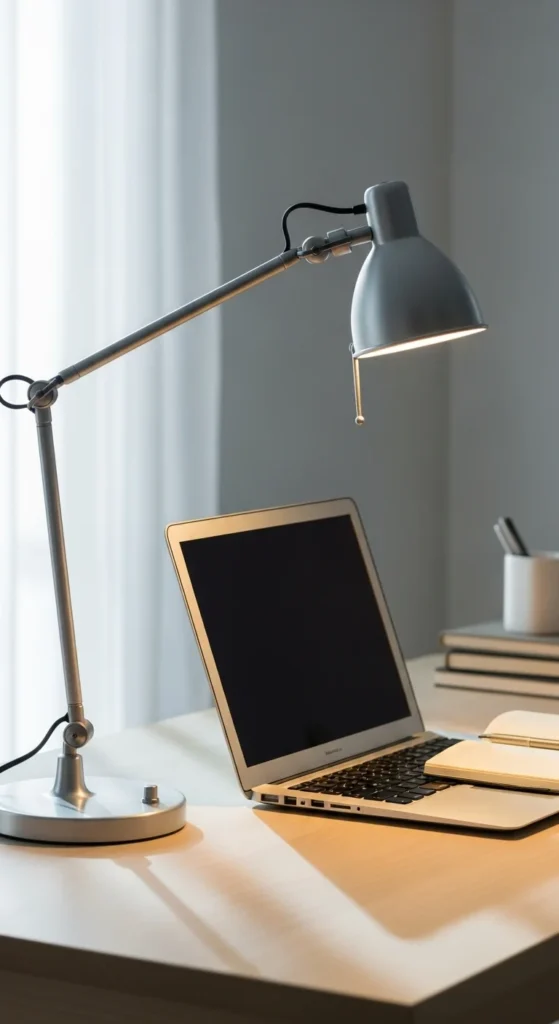
An adjustable desk lamp lets you control where the light falls. Choose a metal or matte-finished lamp for a clean look. A flexible arm helps you direct light toward your keyboard or notebook without causing glare on your screen. If you write frequently, angled light helps keep pages clear. Look for lamps with warm LED bulbs. Many affordable lamps offer brightness settings so you can adjust them based on the time of day. Place the lamp on the side opposite your dominant hand to avoid shadows. You can also pair it with a small clip-on light for detailed tasks. A good lamp makes late-night work more comfortable without overwhelming the room.
10. Cable Management Tray
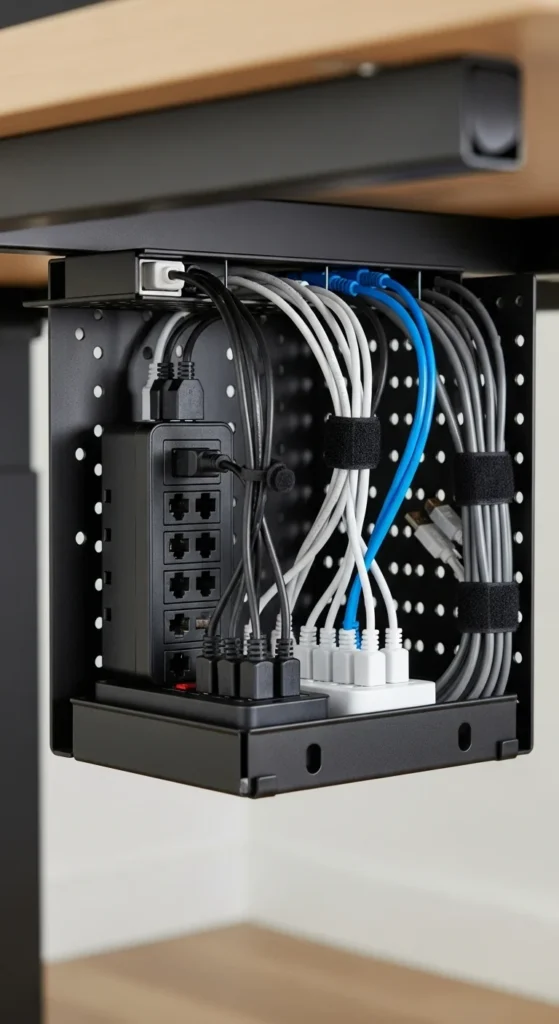
A cable tray keeps wires from hanging under your desk. This simple addition makes your space look cleaner immediately. Choose a metal or plastic tray that attaches under the desk surface. Run your monitor cables, charger, and power strip through the tray. Use small Velcro straps to group related cables together. This prevents tangling and makes future adjustments easy. If your desk doesn’t support drilling, look for clamp-style trays. You can also use adhesive hooks for lighter cables. Once the wires are off the floor, vacuuming becomes easier. A cable tray keeps the area visually clean, which helps your desk feel more inviting each day.
11. Pinboard or Inspiration Board
A pinboard helps you keep ideas within view. It’s useful for reminders, small sketches, or inspiration photos. Choose a corkboard, linen-covered board, or metal grid depending on your style. Mount it just above your desk so it’s easy to reach. Keep the board tidy by limiting what you pin. Rotate items weekly so it stays relevant. You can create your own board using a wooden frame and padded fabric. Push pins or metal clips make rearranging simple. A board gives you a place to gather thoughts without cluttering your desk surface. It adds personality and keeps your goals visible in a pleasant way.
12. Compact Storage Drawers
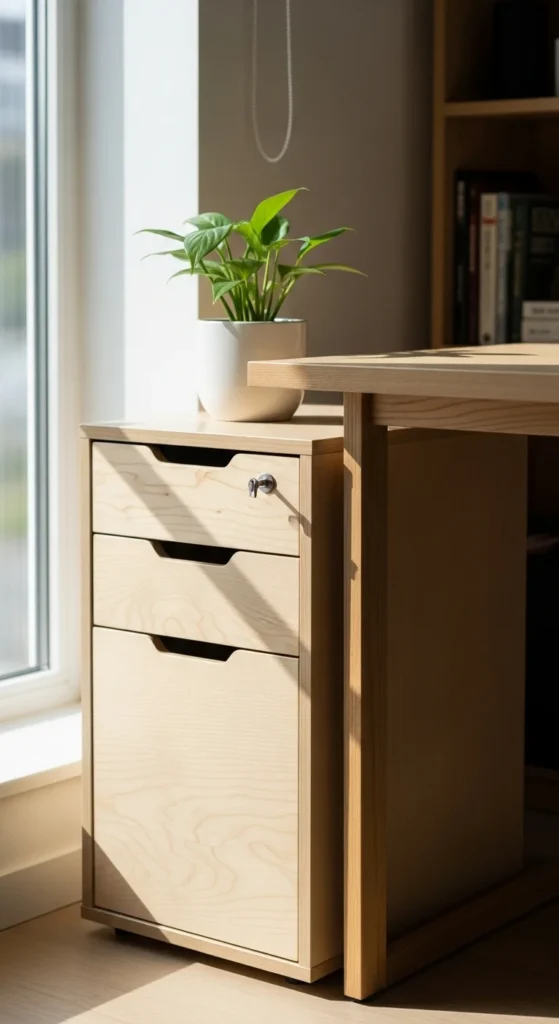
Compact drawers help keep small supplies out of sight. Choose drawers that fit under your desk or sit on top without taking too much space. Keep only what you use daily: sticky notes, chargers, stationery, or documents. Add small dividers to the inside so tools don’t mix. Label the drawers if you store similar items. Affordable plastic or bamboo drawers work just as well as expensive ones. If you enjoy DIY projects, repurpose an old makeup organizer for stationery. When supplies stay organized, your mind feels clearer when you sit down to work. Drawers help everything stay where it belongs without clutter.
13. Accent Wall With Subtle Color
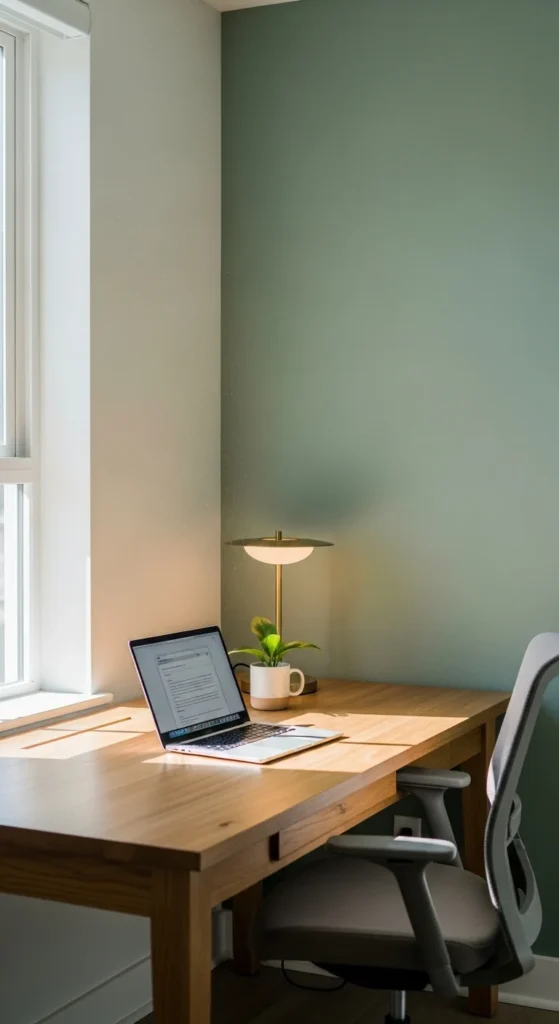
An accent wall adds visual interest without overwhelming the room. Choose a muted tone like sage, soft blue, clay, or charcoal. These colors create depth while staying calm. Paint the wall behind your desk so it frames your workspace. If painting isn’t an option, use removable wallpaper with a subtle pattern. A simple geometric or linen texture works well. If you prefer a handmade touch, paint a large rectangular block behind your desk instead of the full wall. This costs less and still creates impact. Accent walls help define the work area and make the desk feel intentional.
14. Desk Mat With Soft Texture
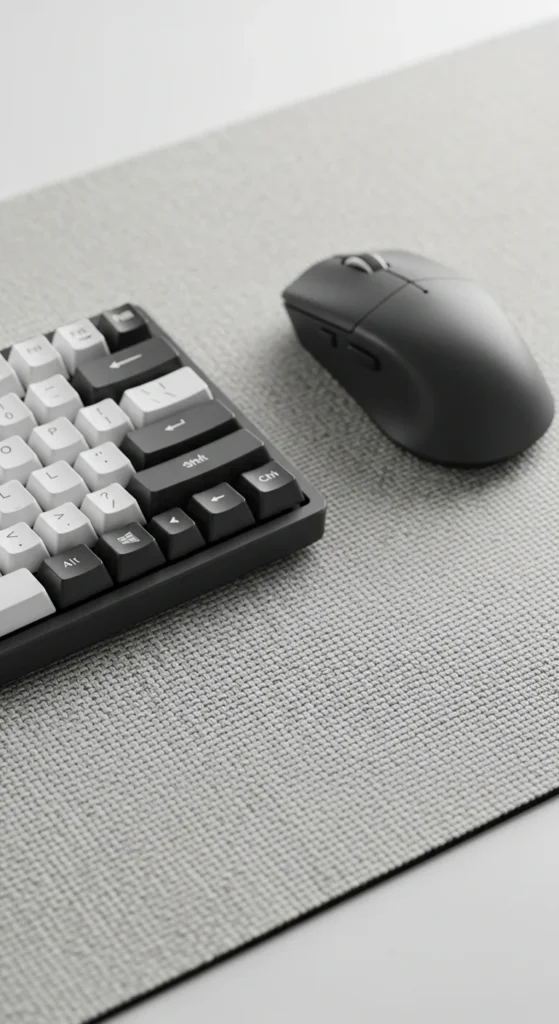
A desk mat creates a smooth, pleasant workspace for writing and typing. Choose a mat made of vegan leather, felt, or fabric. It protects the desk from scratches and keeps accessories from sliding. Match the color to your overall palette for a cohesive look. A larger mat can anchor your keyboard, mouse, and notebook in one place. Felt mats create warmth, while faux leather feels sleek. Wipe them gently each week to keep them clean. You can also make your own mat by cutting fabric and adding a non-slip backing. A desk mat adds comfort without taking up extra room.
15. Simple Wall Art Prints
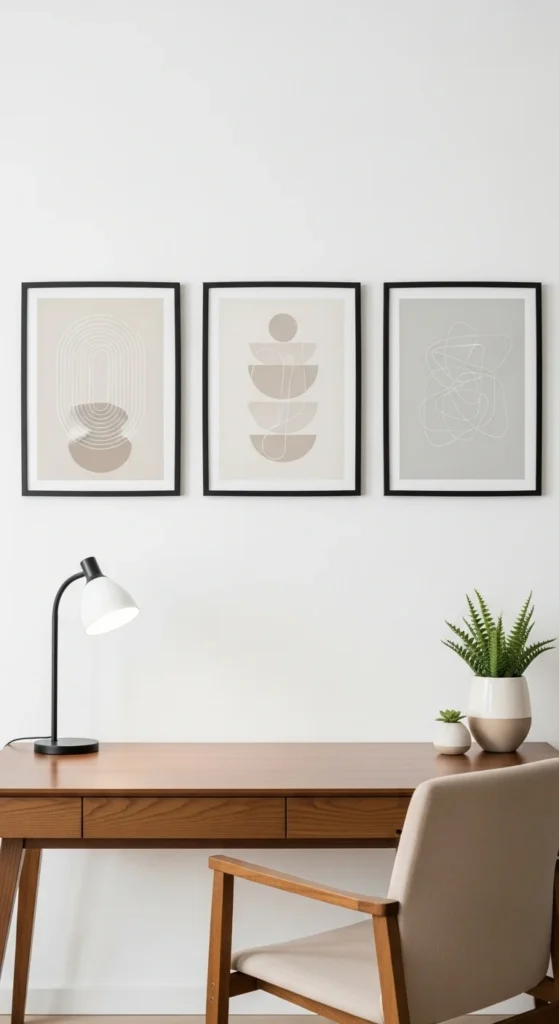
Wall art personalizes your office without creating visual noise. Choose simple prints in calming colors—line drawings, abstract shapes, or nature scenes. A pair or trio of frames works well. Keep the spacing even for a tidy look. If you enjoy DIY touches, print your own designs or frame fabric samples with interesting textures. Use lightweight frames if you’re renting and prefer smaller nails. Art helps break up blank wall space and makes the area feel more intentional. Keep the theme soft and simple so it supports the room instead of distracting you during work.
16. Glass or Acrylic Desk Organizer
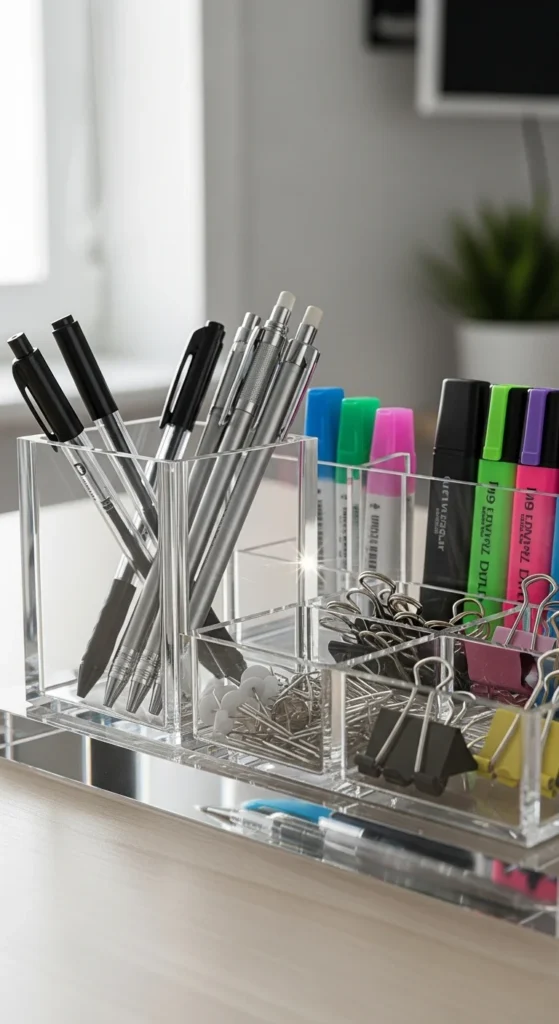
Clear organizers help you store items while keeping the surface visually light. Glass or acrylic pieces work well because they don’t add visual weight. Use them for pens, paper clips, cards, or USB drives. If you prefer a hidden look, place the organizer inside a drawer. Many affordable sets are available online. If you enjoy crafting, repurpose a candle jar by cleaning it thoroughly. Clear organizers pair well with neutral decor and add a tidy, polished touch to your desk. They help prevent small items from scattering across the surface.
17. Soft Throw Blanket on Chair
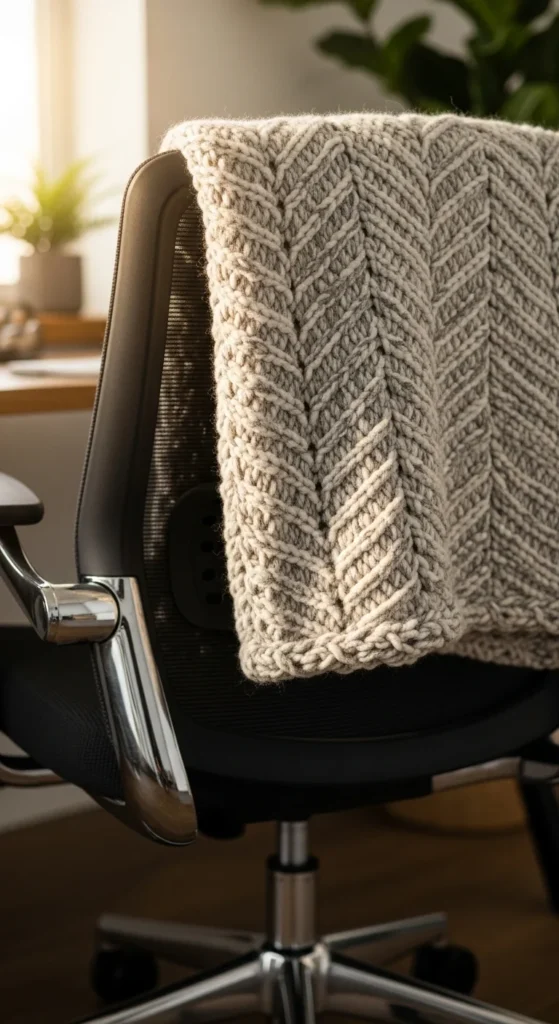
A throw blanket adds comfort and softness to your office chair. Choose a lightweight fabric so it doesn’t feel bulky. Neutral tones or gentle patterns blend easily with most spaces. On cold days, wrap it around your legs to stay warm without turning up the heater. Fold it neatly when not in use to keep the area clean. If you enjoy handmade items, knit a simple throw or crochet a small one for the chair. A throw adds texture and warmth to the room, making the chair feel more inviting.
18. Under-Desk Footrest
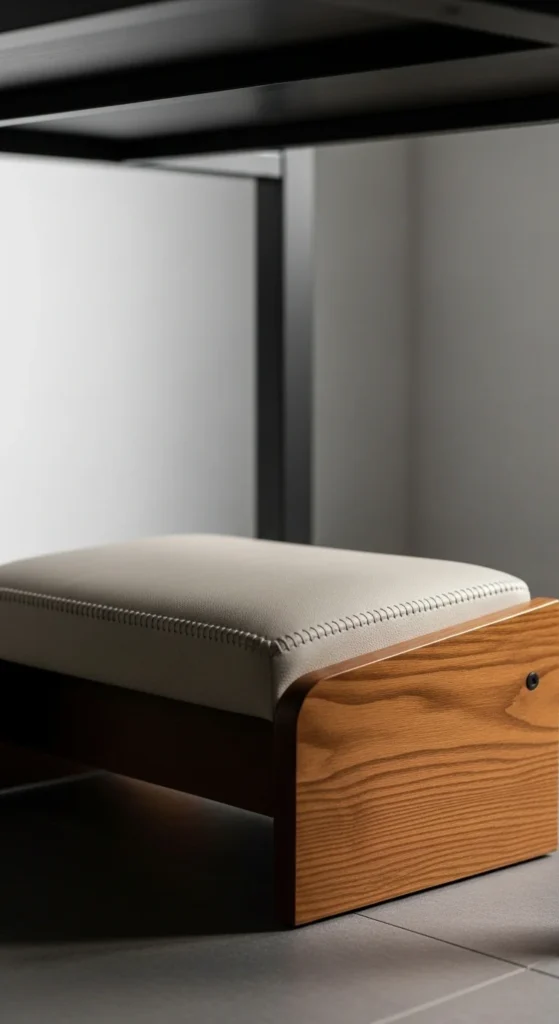
A footrest helps you sit comfortably for longer periods. Choose a cushioned style if you prefer softness or a wooden style if you like firmness. Adjustable footrests allow you to raise or lower the angle. If you want a budget option, use a sturdy shoebox or a small ottoman. A footrest helps keep your legs relaxed, especially during long sessions. It also encourages a more comfortable seating posture. Keeping your legs supported reduces fidgeting, helping you stay steady while working on tasks that require focus.
19. Hidden Storage Baskets
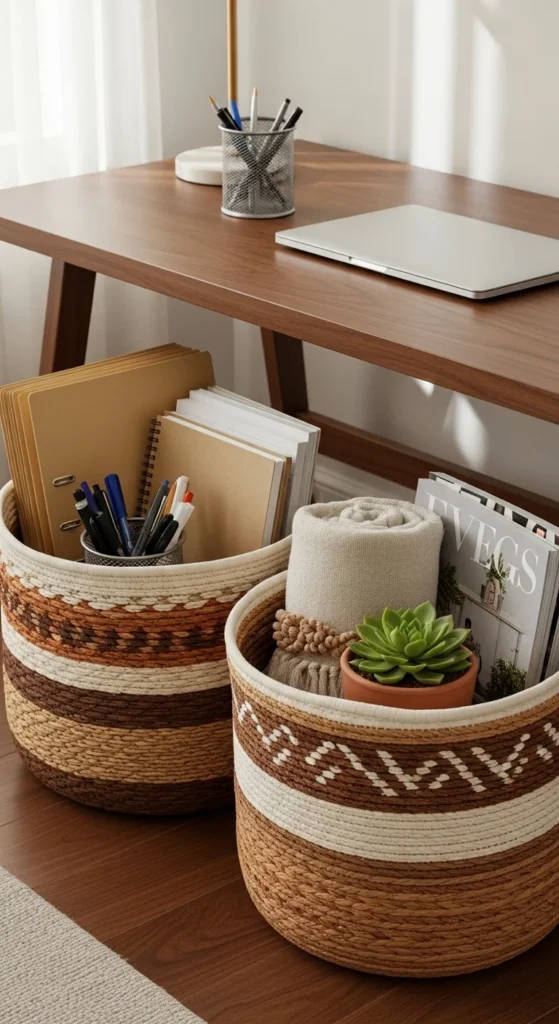
Storage baskets help you hide items that don’t need to be out. Choose woven baskets for warmth or simple fabric bins for a cleaner look. Use them for cables, notebooks, or extra supplies. Keep one basket close to your desk for items you use weekly. Another can hold long-term storage like seasonal documents. Label the baskets if needed. You can also repurpose small home baskets you already have. Hidden storage keeps the room neat without adding rigid furniture.
20. Slim Bookshelf for Vertical Space
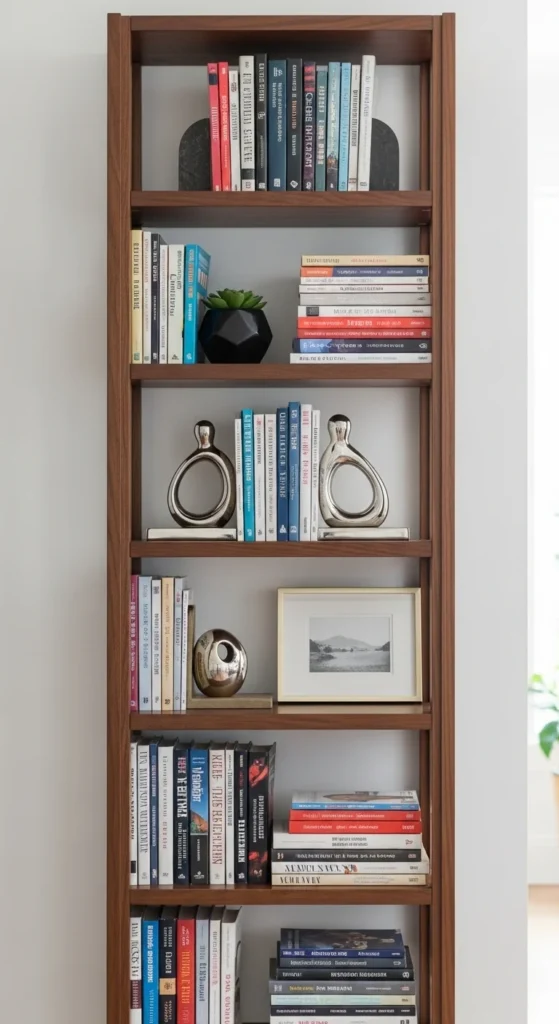
A slim bookshelf helps you use vertical space when the room is small. Choose a tall shelf with a narrow footprint. Place heavier items on the bottom and lighter decor on top. Bookshelves also work well as room dividers if your office shares space with another area. Try mixing books with baskets to keep the look balanced. If you enjoy DIY tasks, paint an old shelf in a soft neutral color to match your office. A slim shelf gives you storage without crowding the desk area.
21. Fragrance Diffuser With Gentle Scent
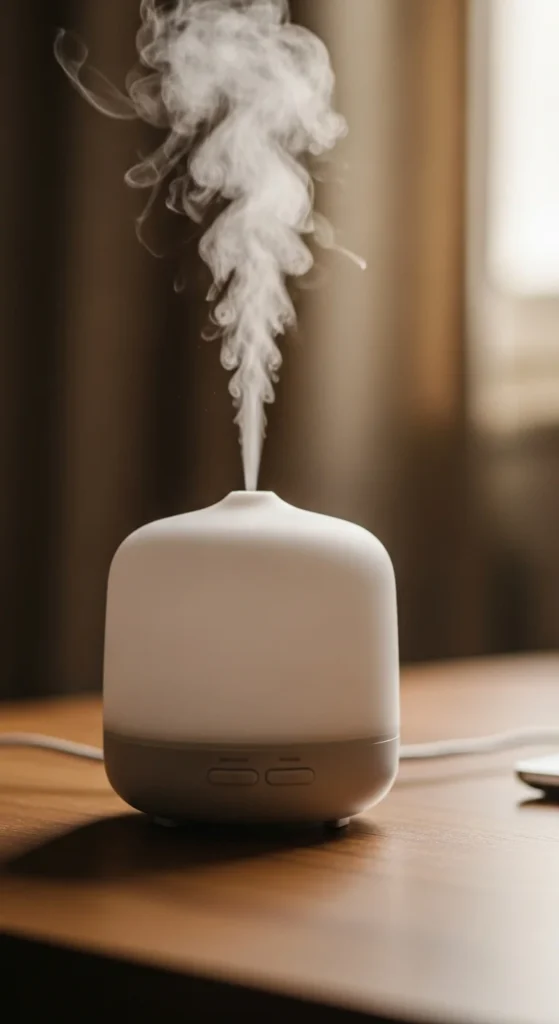
A diffuser adds a pleasant scent to your workspace. Choose gentle fragrances like lavender, citrus, or eucalyptus. A small ceramic or glass diffuser fits well on any desk. Use only a few drops of essential oil so the scent stays soft. Place it on a tray to catch any spills. If you prefer a flameless option, reed diffusers also work well. You can create your own reed diffuser using a small glass bottle and diffuser sticks. A gentle scent helps the workspace feel calmer while you work or read.
22. Multi-Function Clock
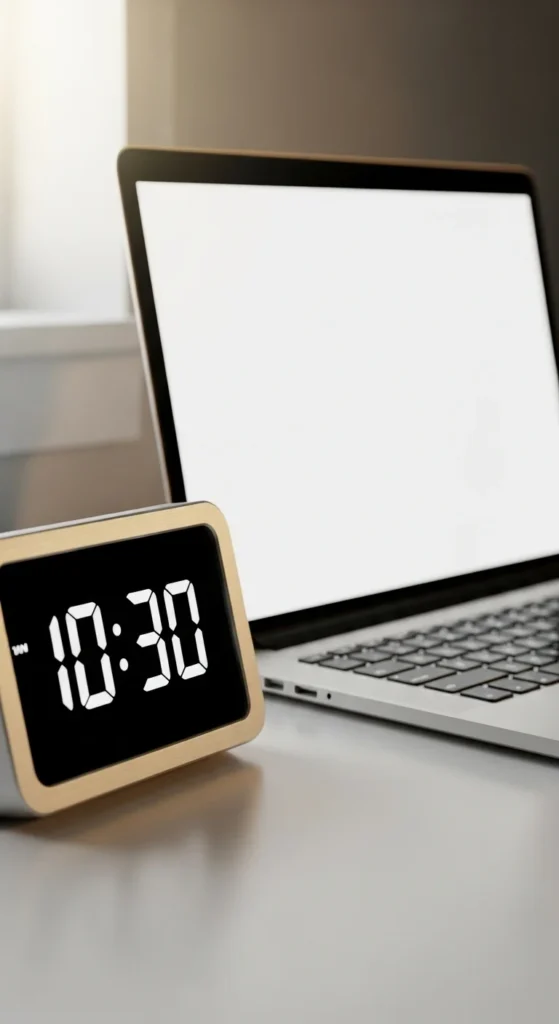
A simple clock helps you stay aware of time without checking your phone. Choose a clock with clear numbers and a pleasant design. Digital clocks often show temperature or date, which can be helpful. Analog clocks bring a classic look. Place the clock where it’s easy to see from your chair. If you enjoy DIY, repaint the frame or create a small stand for it. A clock adds structure to your workday and keeps your routine steady.
23. Hidden Printer Corner
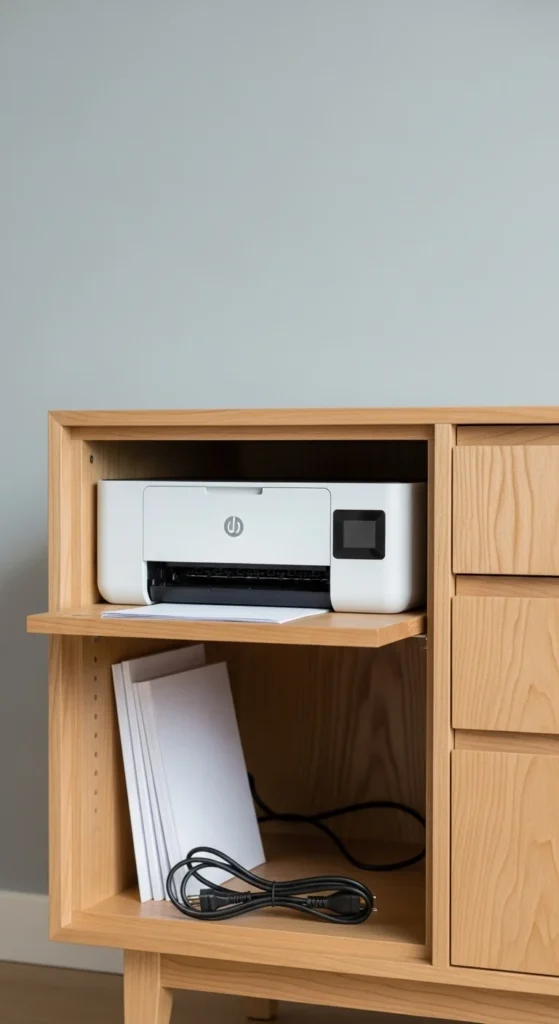
Printers often take up valuable desk space. Moving the printer to a separate corner helps keep your desk clear. Use a lower shelf or a small cabinet to store the printer. Keep paper and ink in a basket nearby. If the printer is wireless, you can place it almost anywhere. Add felt pads under the printer to reduce vibration noise. This setup keeps the main workspace clean and makes the room feel more organized.
24. Soft Curtain or Sheer Drapes
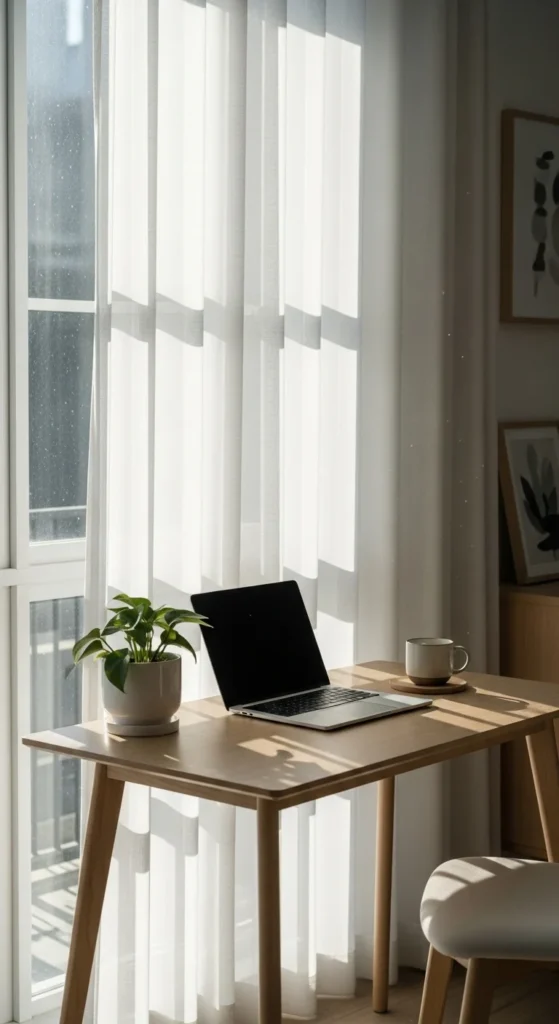
Curtains help control natural light in your workspace. Sheer drapes soften direct sunlight without darkening the room. Choose light colors like white, beige, or cream. If your window faces strong sunlight, pair sheer curtains with thicker side panels. Curtains also add warmth and texture to the room. You can install a tension rod if drilling isn’t allowed. If you enjoy sewing, make DIY curtains using linen or cotton fabric. Curtains help shape the atmosphere and make the workspace feel more inviting.
Conclusion
A stylish office doesn’t require major renovations or expensive purchases. Simple updates—like soft lighting, clear storage, warm textures, and organized layouts—can change how your workspace feels each day. Pick a few ideas from this list and try them one at a time. Small improvements stack up quickly, creating a space where your mind feels calm and ready to work. If you want, I can also create a Pinterest pin set, TOBI prompts, or internal-linking structure for this article.
Leave a Reply