

Want to give your rooms a polished, designer look without spending a fortune? Mixing metals is a clever way to add depth and sophistication to your home decor. Done well, it makes a space feel layered and stylish—not chaotic. Whether you’re pairing brass with chrome or matte black with gold, it’s all about balance and contrast.
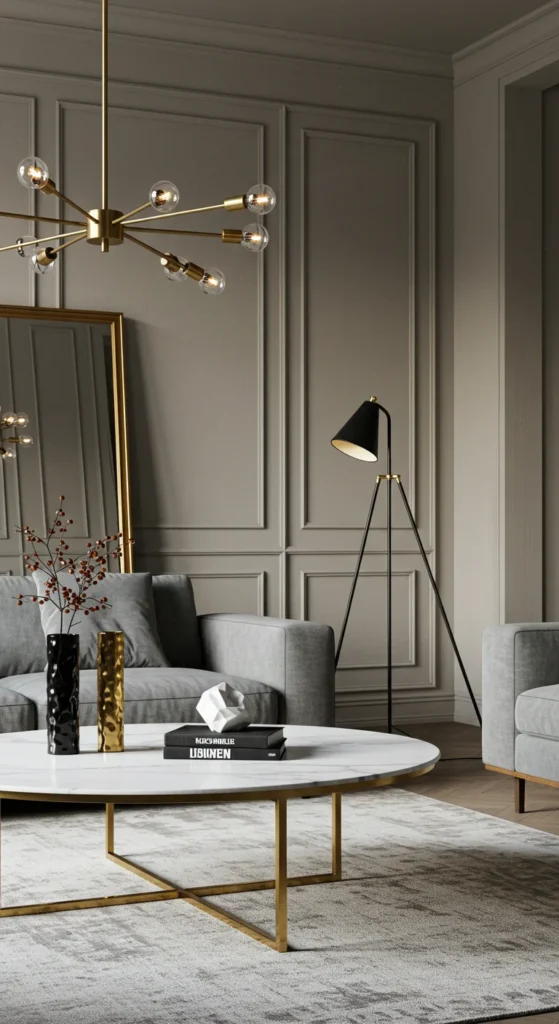
Here’s how to confidently mix metals in your home for a look that feels chic and intentional.
Pick a Dominant Metal Tone
Start by choosing one metal to be the star of your room.
- This could be warm brass, sleek chrome, or dramatic matte black.
- Use your dominant tone in larger elements such as light fixtures, curtain rods, or furniture hardware.
- Keep this metal consistent across key pieces to ground the design.
This step prevents your space from feeling chaotic and lets other accents shine without clashing.
Add a Contrasting Metal for Balance
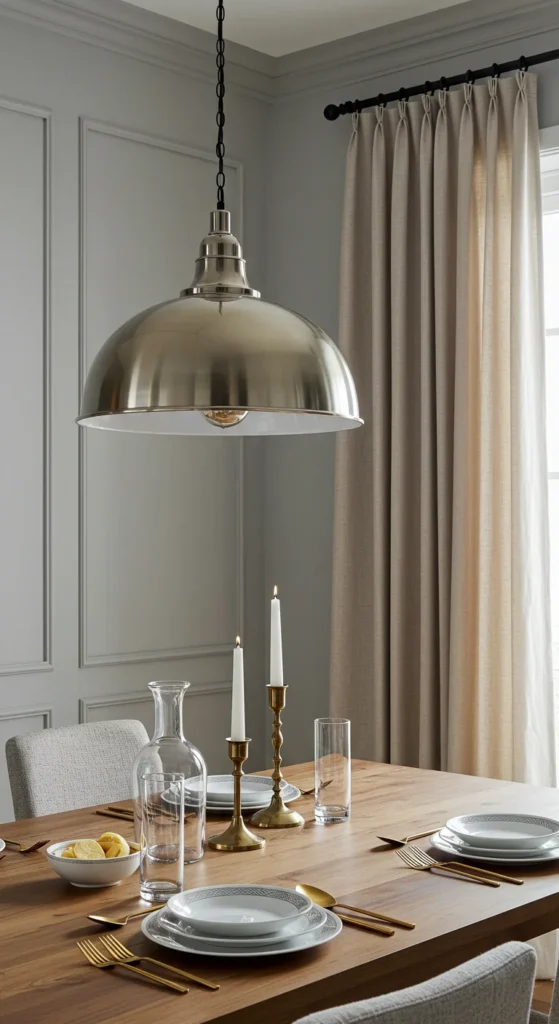
Once you’ve set your main metal, choose a secondary tone that contrasts it.
- Pair warm metals (like brass or copper) with cool ones (like chrome or nickel).
- Avoid using too many warm or cool tones together; contrast adds interest.
- Limit yourself to two or three metals in a single room for a cohesive vibe.
A little variety brings visual depth without feeling overdone.
Vary the Finishes for Dimension
Not all metals need to shine the same way.
- Combine polished finishes with brushed or matte textures for subtle depth.
- For example, match a glossy chrome faucet with brushed nickel cabinet pulls.
- Using different finishes within the same tone makes the look more layered and intentional.
Finish variation creates a room that feels thoughtfully styled, not flat.
Distribute Metals Evenly Across the Space
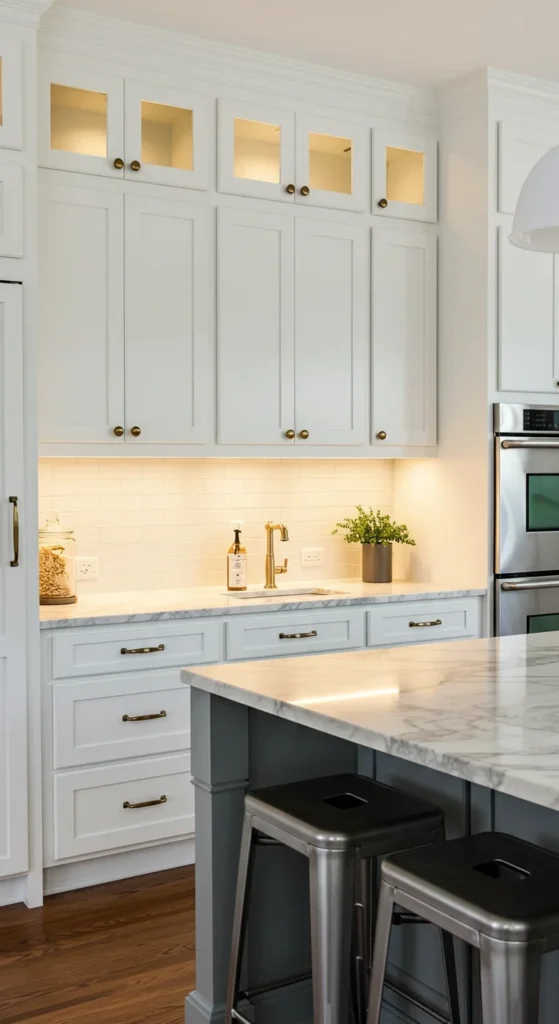
To avoid one corner feeling heavy or out of sync:
- Repeat each metal in at least two or three spots around the room.
- Scatter accents—like a black metal lamp on one side and black picture frames on the other.
- Try to balance metals vertically, using them at different heights (like light fixtures above and table legs below).
Even distribution keeps the eye moving and makes the space feel harmonious.
Use Accessories to Tie the Look Together
Accessories are the easiest (and cheapest) way to experiment with metals.
- Introduce metal picture frames, trays, or vases in your secondary tone.
- For a subtle effect, pick smaller details like curtain tiebacks or napkin rings.
- Swap these pieces out seasonally or whenever you’re ready for a new vibe.
This approach allows you to refresh your space without committing to permanent fixtures.
Layer with Neutrals for a Cohesive Background
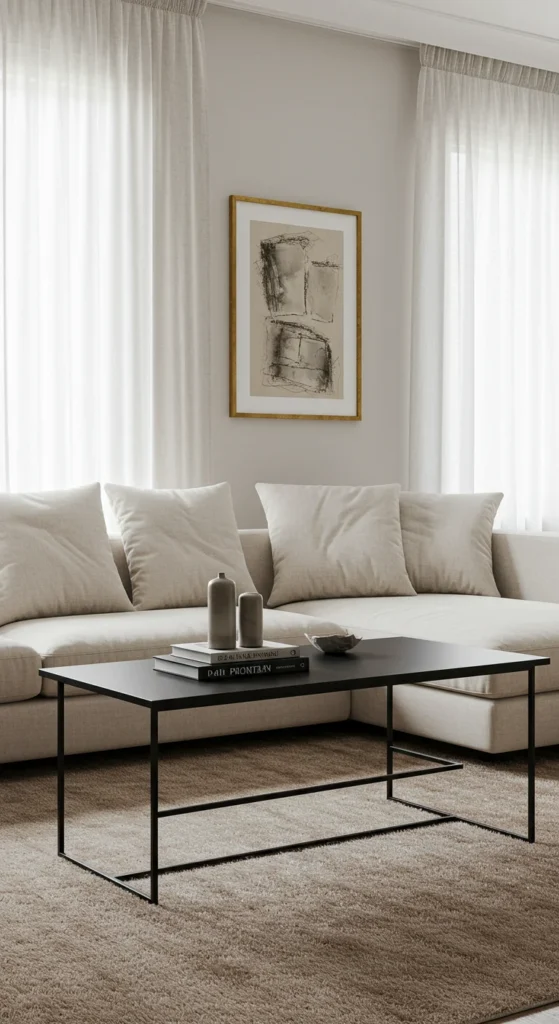
Metals really shine against neutral backdrops.
- Use white, gray, black, or beige walls and furnishings to make metallic accents pop.
- Avoid overly colorful backgrounds that may clash with your chosen metals.
- If you crave color, introduce it through soft accents like cushions or art.
A neutral foundation keeps your metallic choices looking chic and curated.
Final Takeaway
Mixing metals is about creating harmony through contrast. By picking one dominant tone, balancing it with a secondary hue, and distributing pieces thoughtfully, you can transform your home into a polished, stylish space.
Don’t be afraid to experiment with accessories and finishes. Start small—like adding brass frames to a room full of black accents—and see how it transforms the space. Save this guide to reference whenever you’re ready to mix things up in your decor!
Leave a Reply